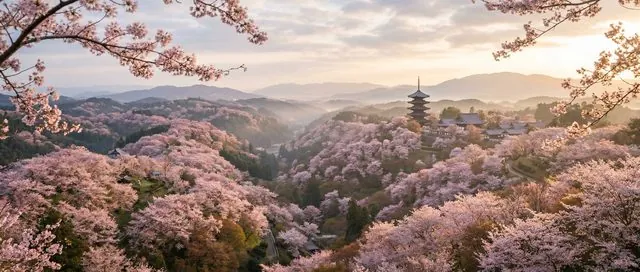
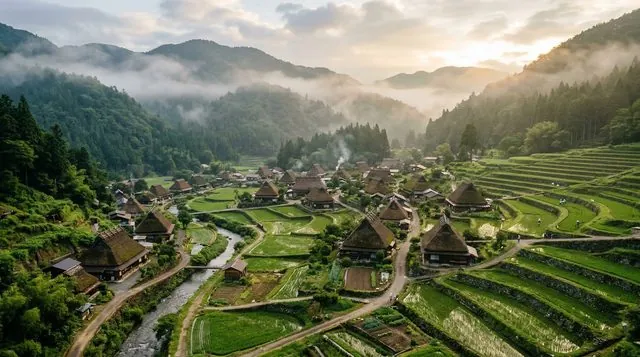
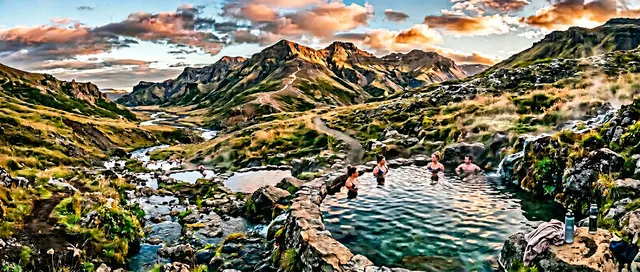
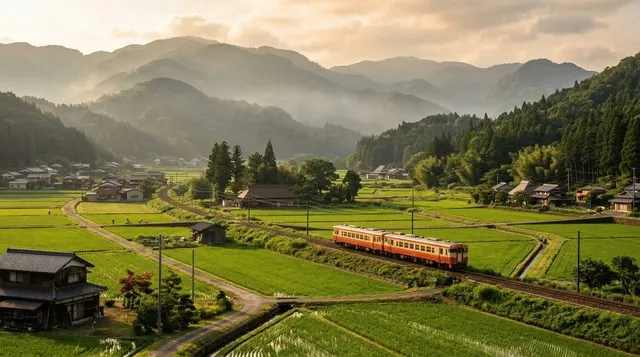
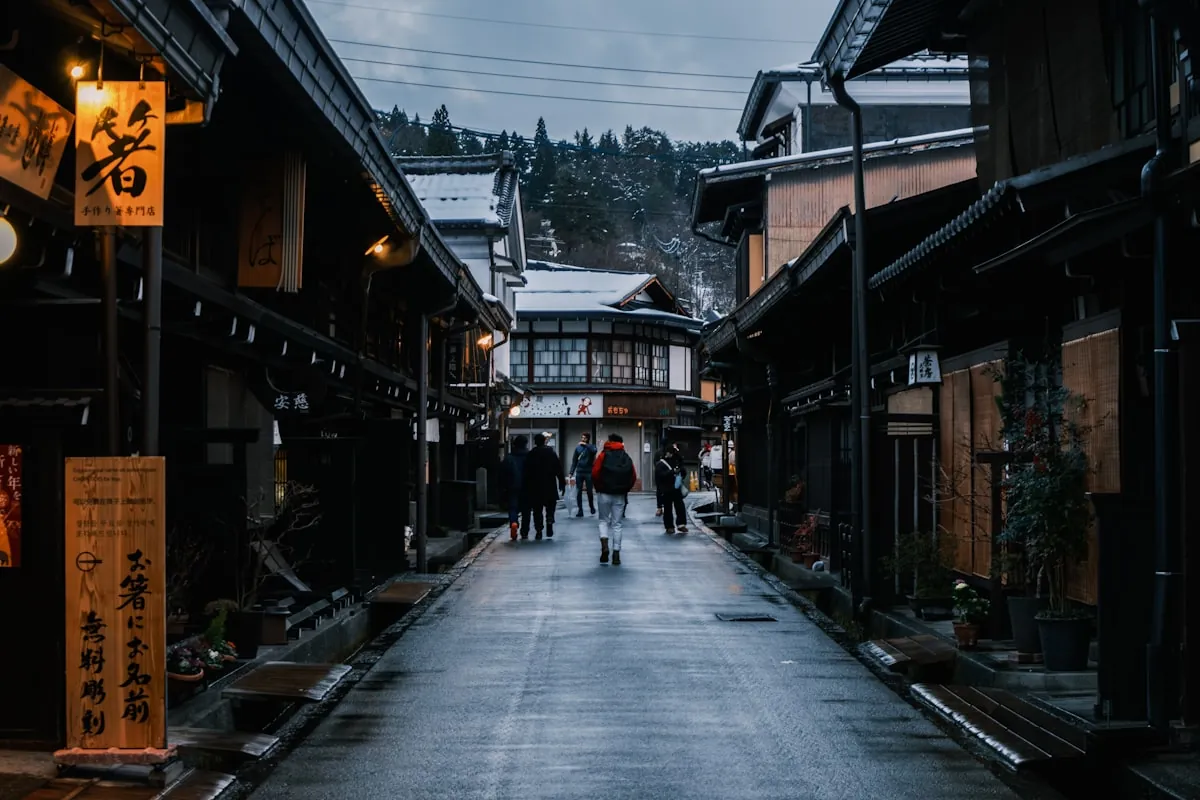
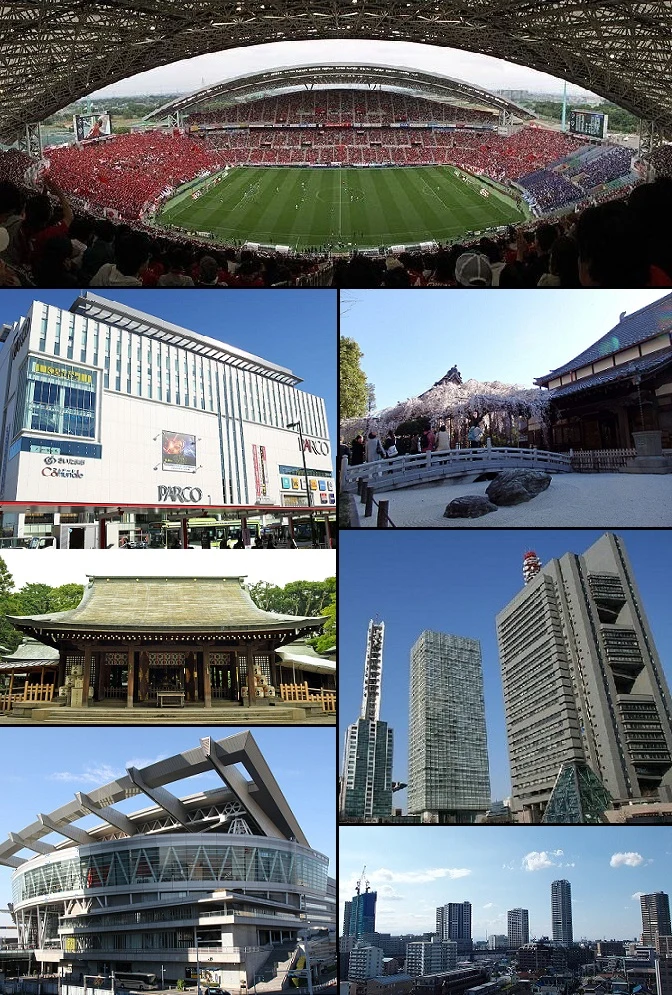
Saitama is the prefecture most foreign travellers think of as Tokyo's commuter belt — and dismiss. The reality is a startlingly varied landscape just past the metropolitan border: Edo-period merchant streets at the Kawagoe Historic District with its bell tower Toki no Kane and the candy alley of Kashiya Yokocho; the deep mountain pilgrimage circuit of Chichibu Sanjūrokka-sho; the gorges of Nagatoro Gorge and Musashi-Ranzan Gorge; the dwarf-tree masters at Omiya Bonsai Village; the washi-paper village of Ogawa-machi; the plum forest of Ogose Plum Forest; and the spring shibazakura hill at Hitsujiyama Park in Chichibu.
Cities & Towns
Five anchors from the urban gateway across the inland plain to the mountain valleys.
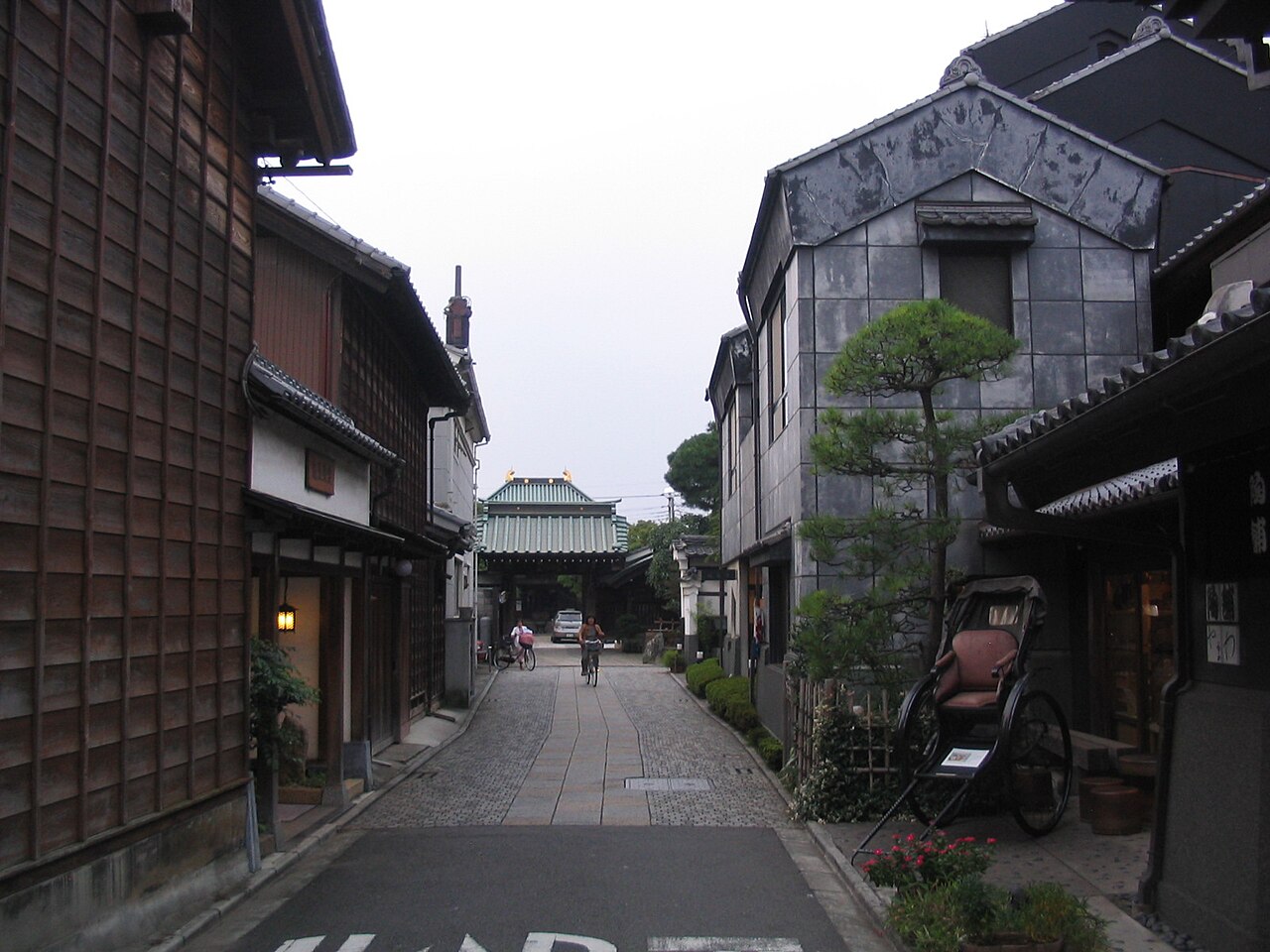
Kawagoe
Edo-era warehouse streets, a 17th-century bell tower, and a candy alley — Saitama's 'Little Edo' just 30 minutes from Ikebukuro
Edo-era warehouse town
- Kurazukuri Street
- Toki no Kane bell tower
- Kashiya Yokocho candy alley
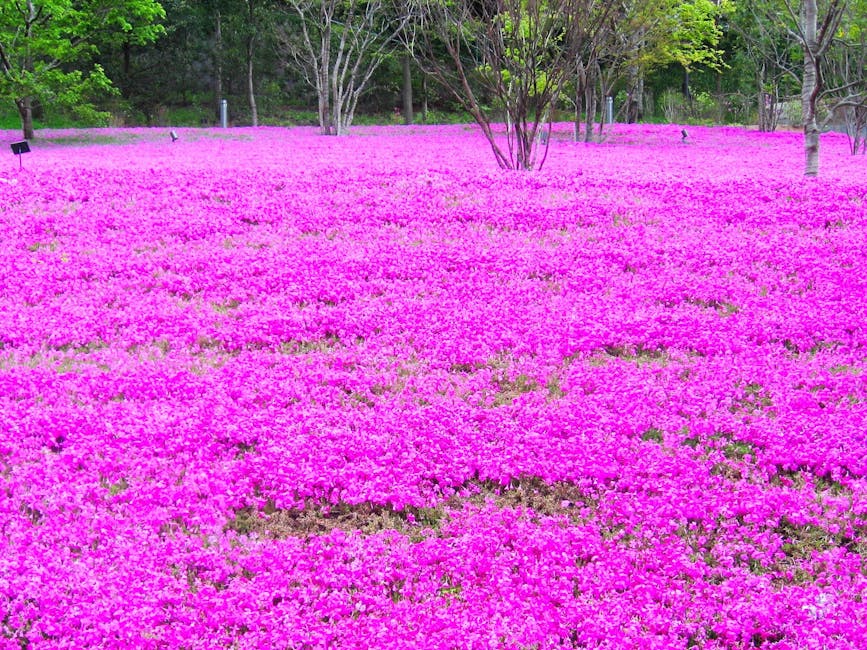
Chichibu
A mountain valley town anchoring a 34-temple Buddhist pilgrimage, with a night festival, sake breweries, and the springtime shibazakura hills
Mountain pilgrim town
- Hitsujiyama Park shibazakura
- 34-temple pilgrimage
- Chichibu sake
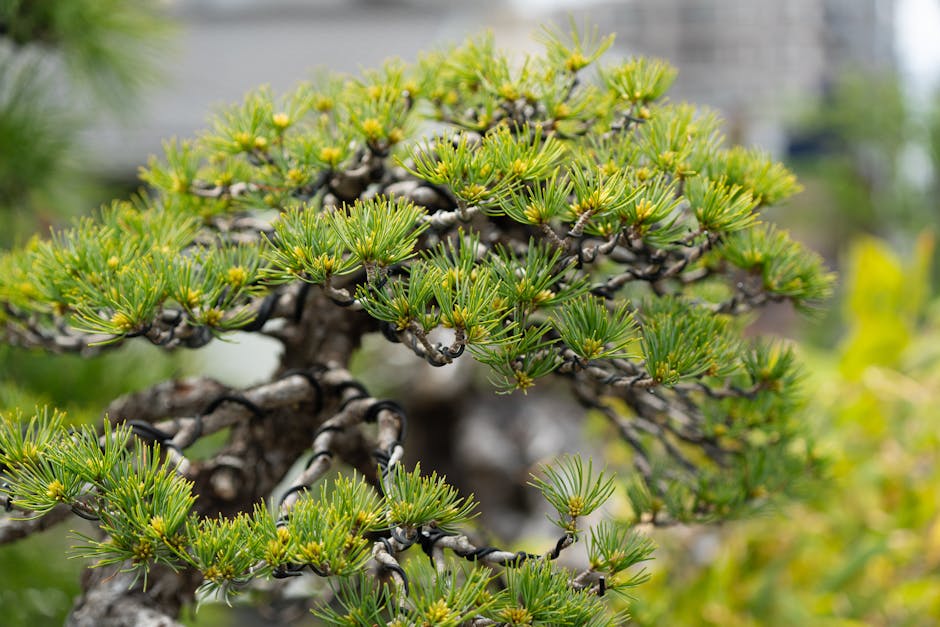
Omiya
Saitama's transport hub and home of the famed Bonsai Village — six masters' gardens within a single neighbourhood
Bonsai gardens district
- Bonsai Art Museum
- Six master gardens
- Hikawa Shrine
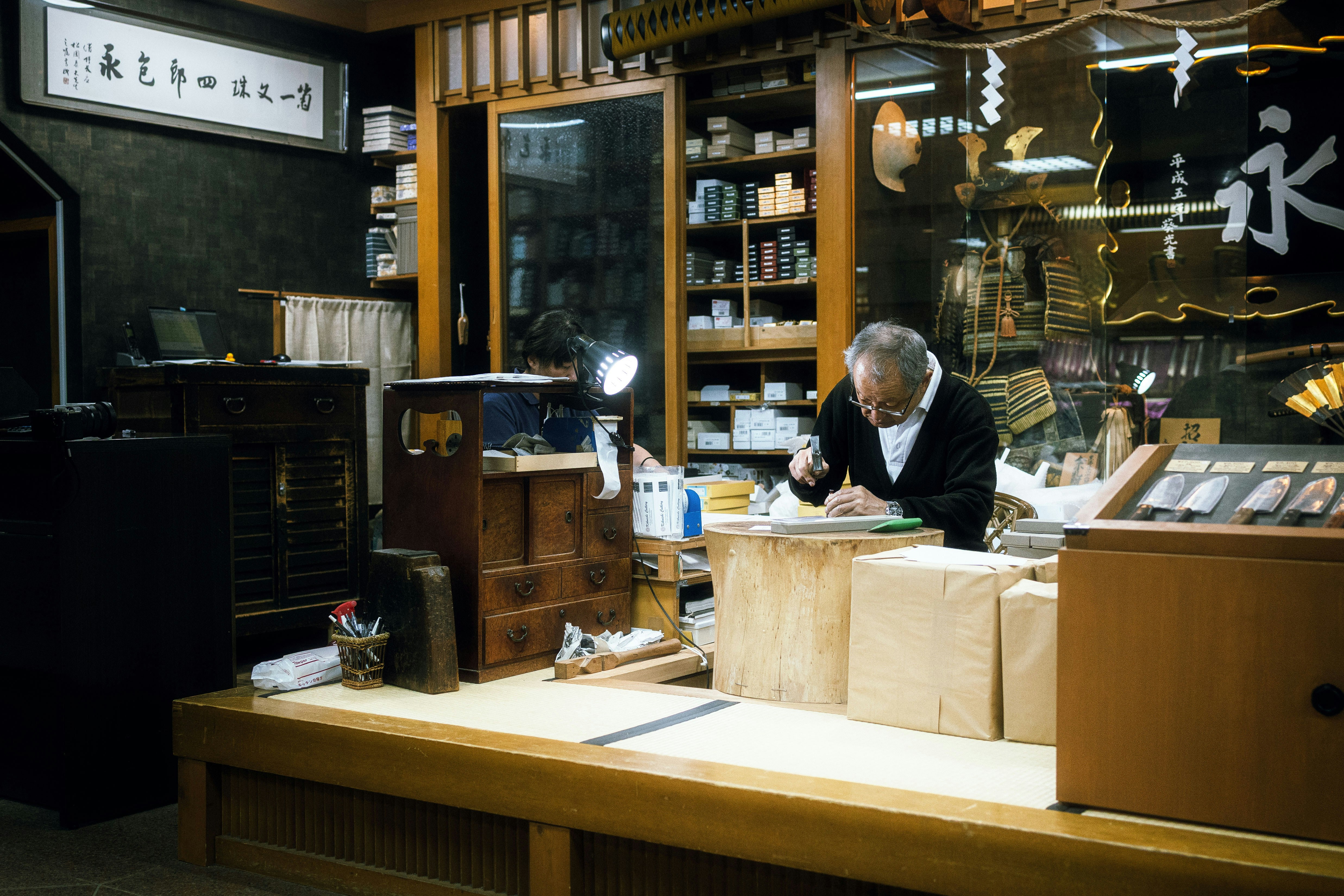
Ogawa-machi
A working washi-paper village in the foothills — UNESCO-listed craft, paper-making workshops, and one of Japan's last commercial hand-paper mills
Washi paper village
- Hand washi-making
- Saitama Washi Museum
- Workshops
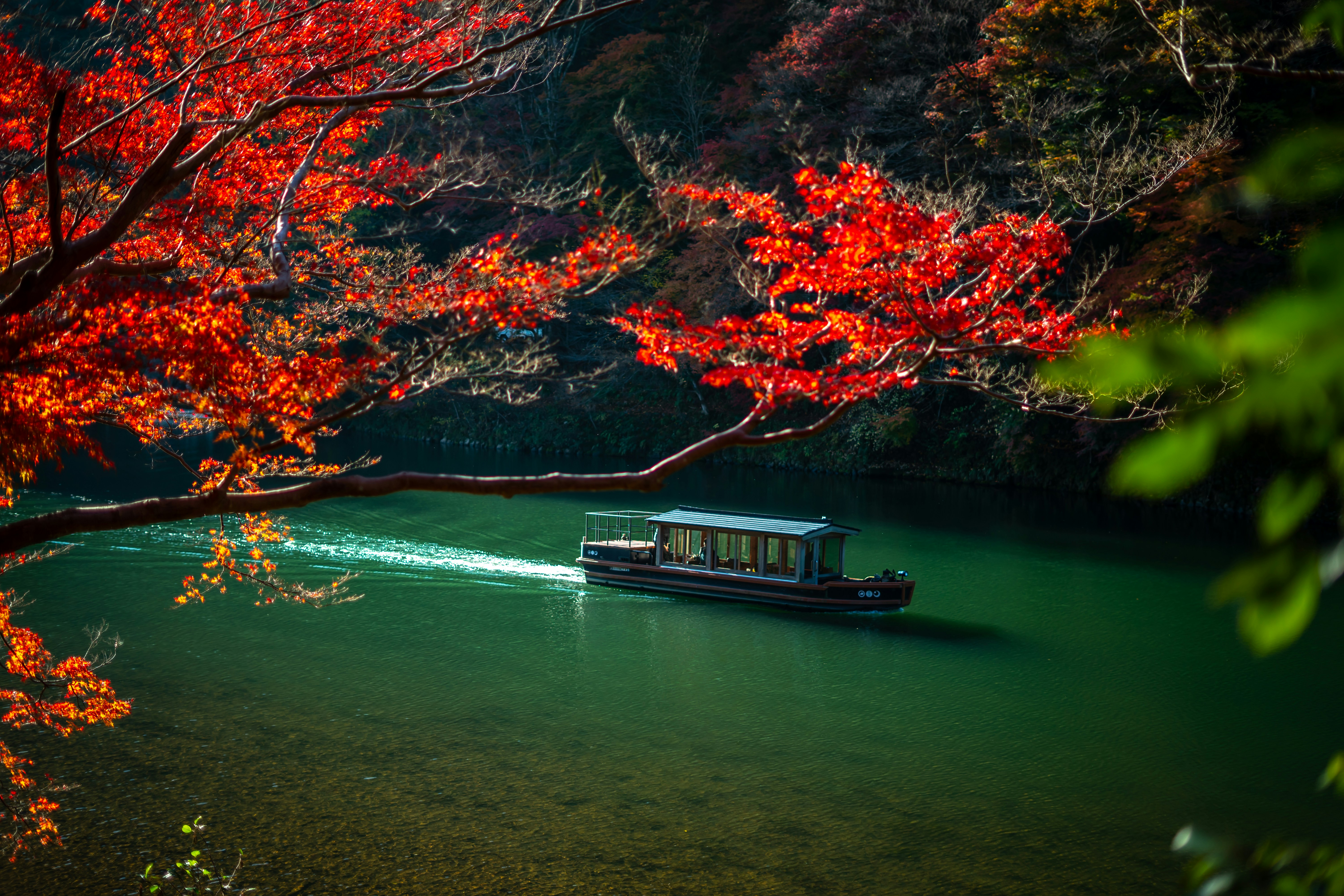
Nagatoro
A river-rafting town between rocky bluffs — wooden boats run rapids on the Arakawa, with a temple pilgrimage and an ice sculpture festival in winter
River rafting town
- Boat rapids
- Iwadatami rocks
- Houdosan Shrine
Top Attractions
The headline draws across Saitama's plain and mountains.
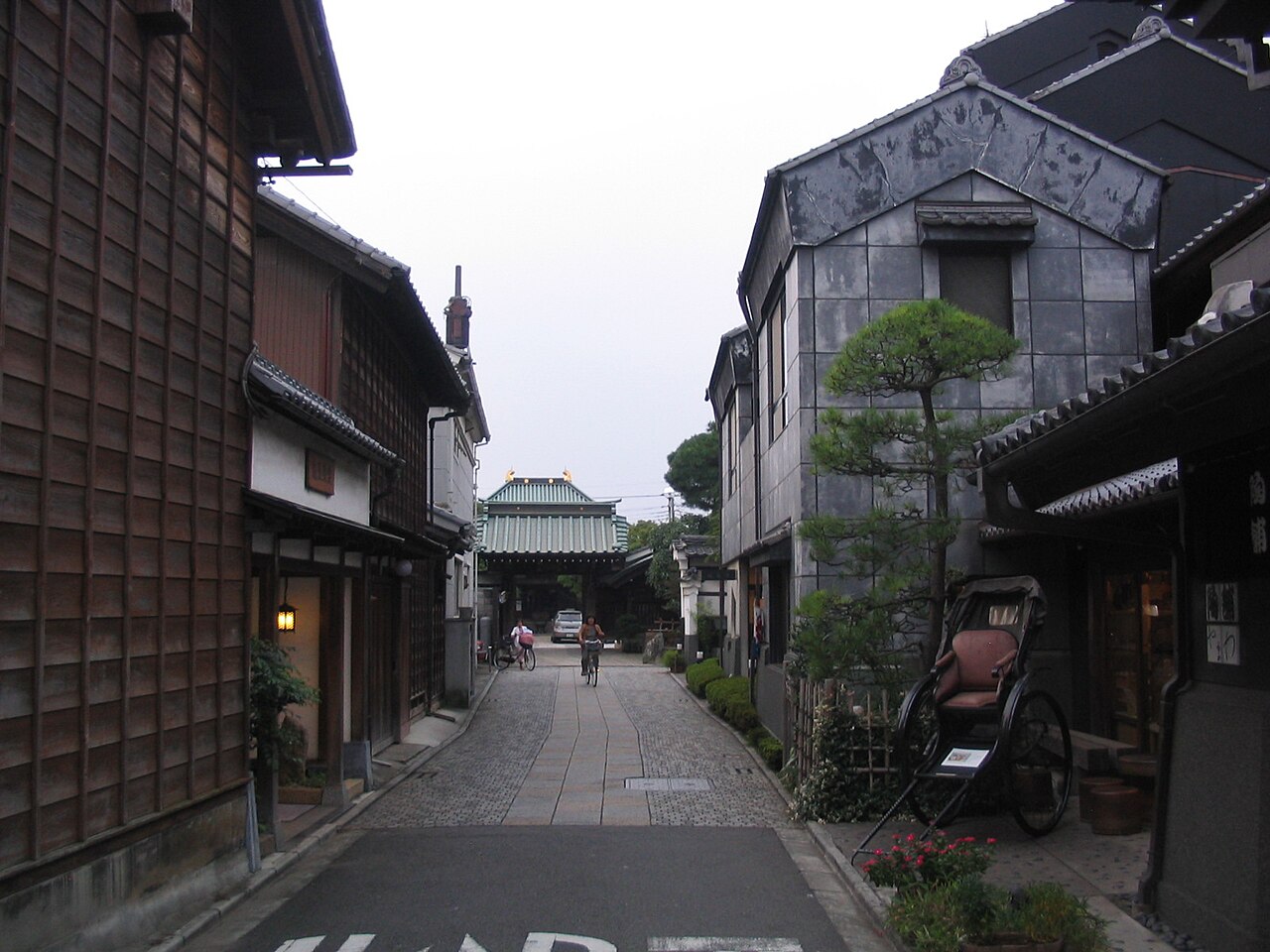
Kawagoe Historic District
Streets of preserved kurazukuri merchant warehouses and the lantern-lit Kashiya Yokocho candy alley — the heart of 'Little Edo'
Kurazukuri merchant streets
- Kurazukuri Street
- Kashiya Yokocho
- Toki no Kane
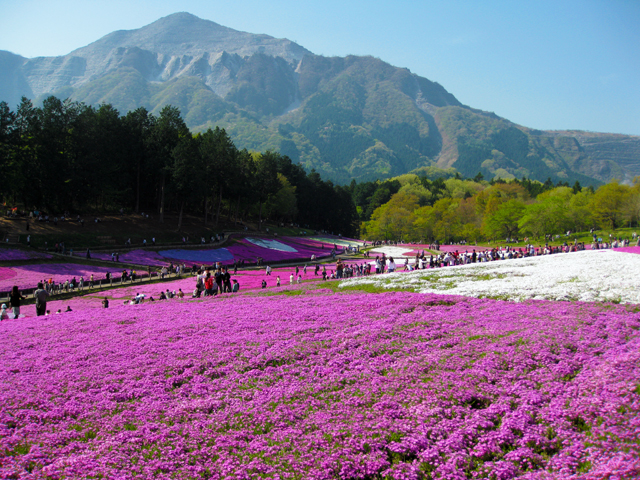
Hitsujiyama Park
Saitama's spring spectacle — a hillside of pink, white, and purple shibazakura moss phlox blooming for two weeks each April
Shibazakura spring hills
- April shibazakura peak
- Bukozan mountain backdrop
- Chichibu town views
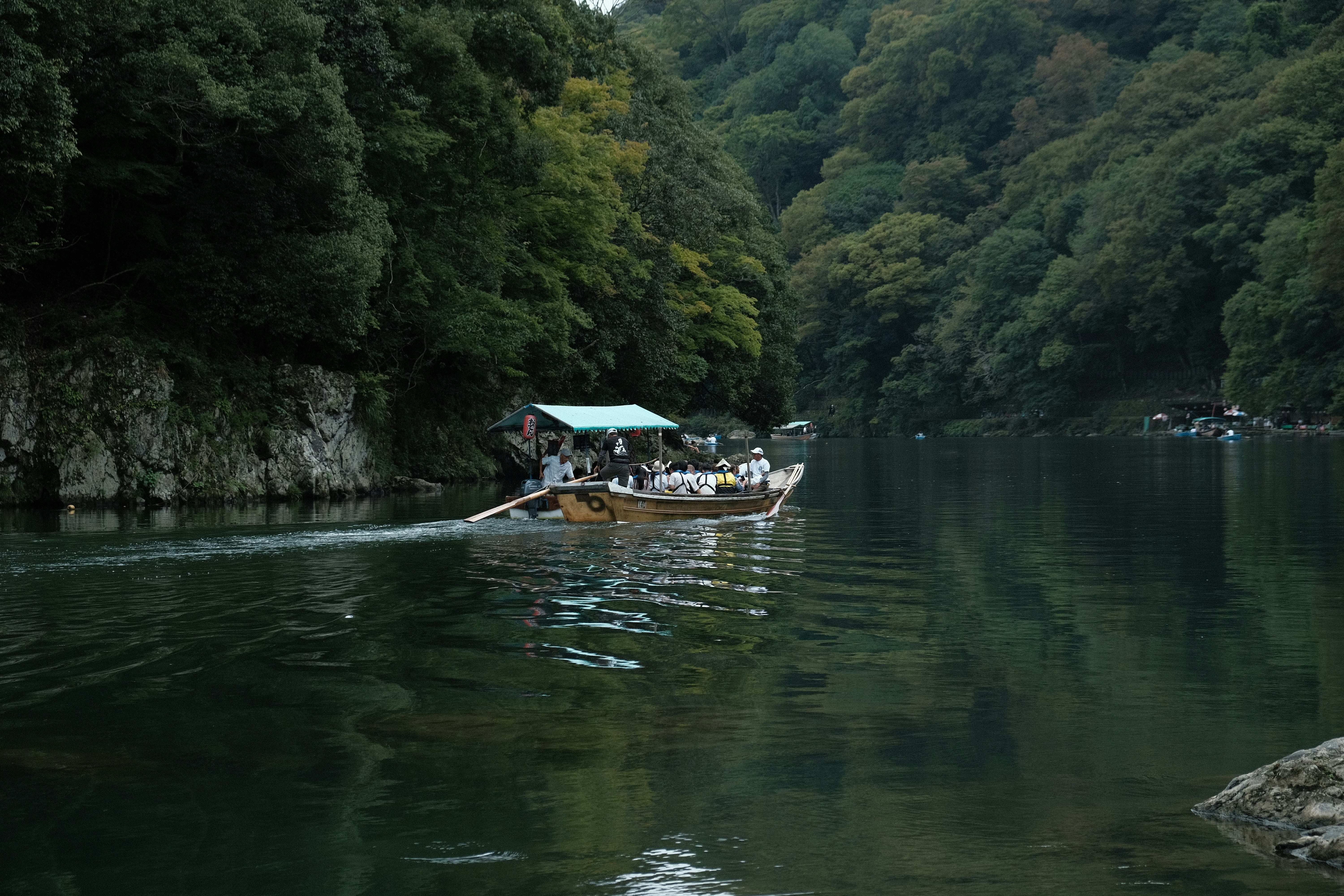
Nagatoro Gorge
Wooden long-boat rafting through rocky river rapids, autumn maple cliffs, and an ancient water-deity shrine on a forested ridge
River rapids gorge
- Boat rafting
- Iwadatami rock formations
- Houdosan Shrine
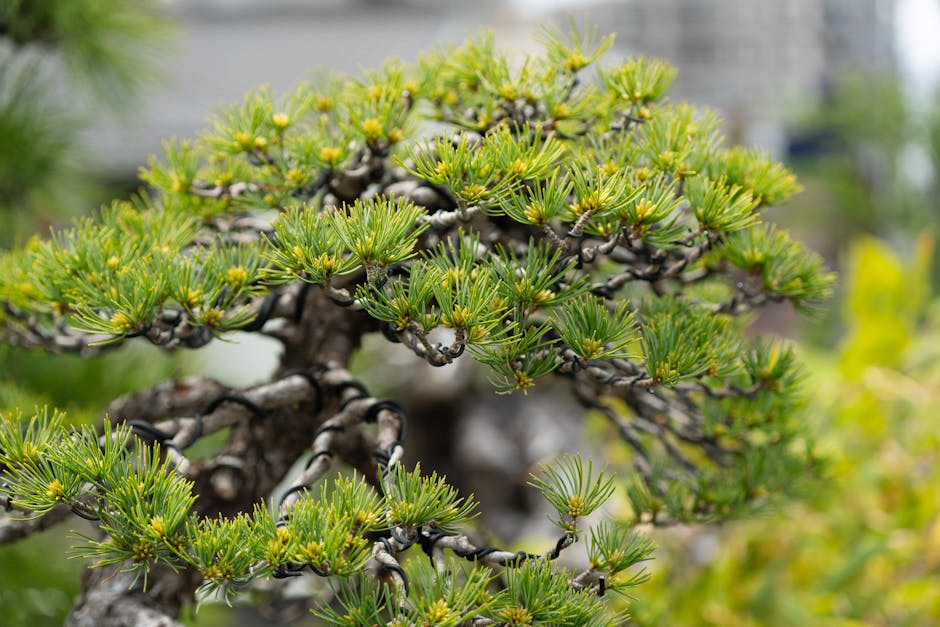
Omiya Bonsai Village
Six master bonsai gardens clustered in a quiet residential neighbourhood — plus the nearby Omiya Bonsai Art Museum
Bonsai master gardens
- Six garden visits
- Bonsai Art Museum
- Yearly festival
Hidden Gems
Three quieter corners of Saitama past the day-trip circuit.
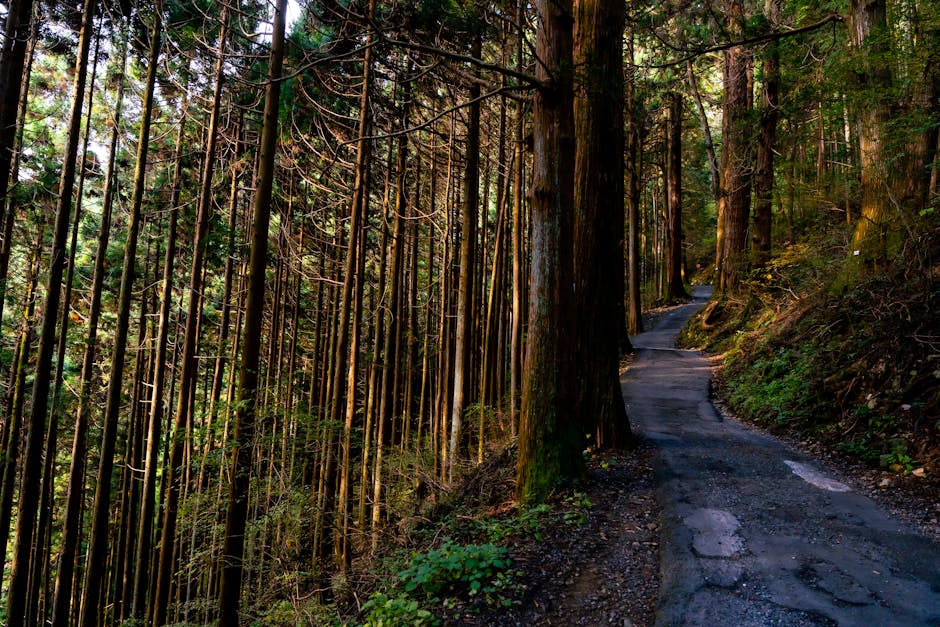
Chichibu Sanjūrokka-sho Pilgrimage
A 34-temple Buddhist pilgrimage looping the Chichibu valley — one of Japan's three great mountain circuits, walkable in a week
34-temple mountain pilgrimage
- 34 temples in Chichibu valley
- Stamp-collecting tradition
- Walking pilgrimage
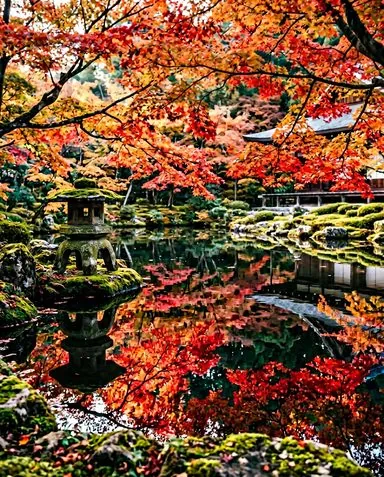
Musashi-Ranzan Gorge
An overlooked river gorge with stone arch bridges and seasonal ranzan-momiji autumn maples — a 90-minute trail loop near Tokyo's edge
Quiet river gorge
- Stone arch bridges
- Autumn momiji
- Picnic spots
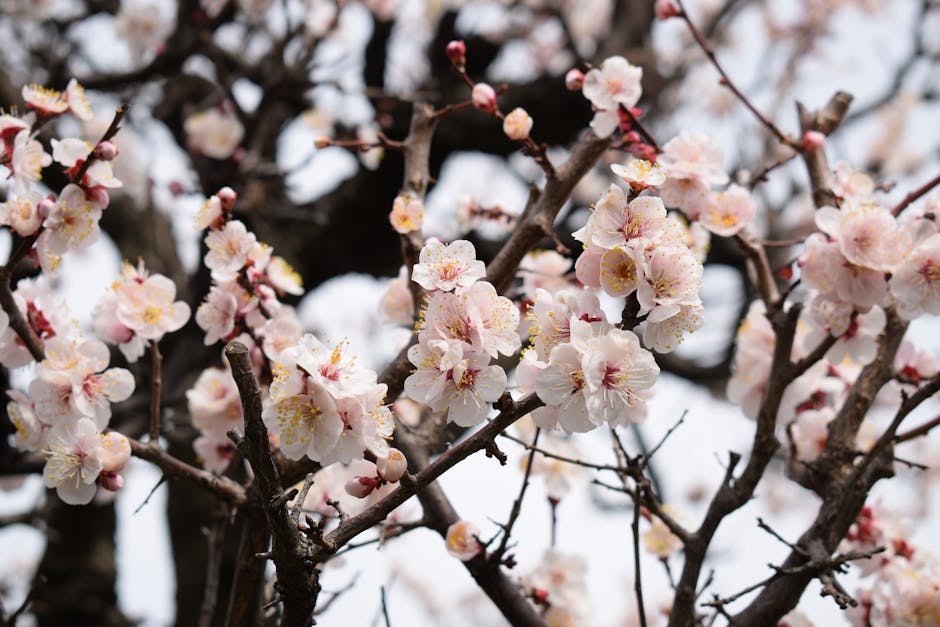
Ogose Plum Forest
One of Kanto's largest plum-blossom forests with 25,000 trees blooming pink and white through February — quieter than Tokyo's plum gardens
25,000 plum trees
- February plum bloom
- 25,000 trees
- Ridge walks
When to Visit
Saitama's plain follows Tokyo's seasons; the Chichibu mountains stay several degrees cooler year-round.
Springharu
Mar – May10–22°CHigh crowds
Springharu
- Cherry blossoms early April in Kawagoe
- Hitsujiyama shibazakura peak mid to late April
- Nagatoro river-boat season starts
- Golden Week last week of April
Summernatsu
Jun – Aug23–32°CModerate crowds
Summernatsu
- Rainy season through early July
- Cool retreats in Chichibu mountains
- Nagatoro boat rapids busiest
- Nighttime fireworks in Kawagoe
Autumnaki
Sep – Nov10–22°CHigh crowds
Autumnaki
- Foliage at Musashi-Ranzan Gorge mid-November
- Chichibu Night Festival December 2-3
- Comfortable for the 34-temple pilgrimage
- Mild lowland walking
Winterfuyu
Dec – Feb0–10°CLow crowds
Winterfuyu
- Snow in Chichibu valleys
- Plum blossoms at Ogose Plum Forest from mid-February
- Quiet temple visits in Kawagoe
- Nagatoro ice festival in January
Suggested Itineraries
From a half-day day trip to a deep two-day mountain loop.
FAQ
How do I get from Tokyo to Saitama?
Kawagoe is 30 minutes from Ikebukuro on the Tobu Tojo line. Chichibu is 80 minutes via the Seibu Chichibu line from Ikebukuro. Omiya is 25 minutes from Tokyo Station on the JR shinkansen lines. All are easy day trips.
Is Kawagoe better than Kamakura?
Different — Kawagoe preserves Edo-period merchant streetscapes (warehouses, candy alleys, the Toki no Kane bell tower), while Kamakura focuses on temples and a beach. Kawagoe is significantly closer to central Tokyo and works as a half-day visit; Kamakura needs a full day.
What is the best time of year to visit Saitama?
Mid to late April for the shibazakura at Hitsujiyama Park, June for Chichibu river-rafting, mid-November for autumn foliage at Musashi-Ranzan Gorge, and February for Ogose's 25,000 plum trees in bloom.
Can I do Kawagoe and Chichibu in one day?
Tightly. Kawagoe takes about 3 hours; Chichibu needs at least half a day to see Hitsujiyama Park and the main pilgrimage temples. Doing both in a day means rushing — better as two day trips or a single overnight.
What is Saitama best known for?
Kawagoe's Edo-era warehouse streets and bell tower, Chichibu's mountain pilgrimage and shibazakura fields, Omiya's Bonsai Village, and the washi-paper craft of Ogawa-machi. It's also Japan's biggest dwarf-tree centre.
What are Saitama's hidden gems?
The 34-temple Chichibu Sanjūrokka-sho mountain pilgrimage, the working hand-papermaking village of Ogawa-machi, the autumn-foliage trail at Musashi-Ranzan Gorge, and the plum forests of Ogose — all within 90 minutes of central Tokyo.