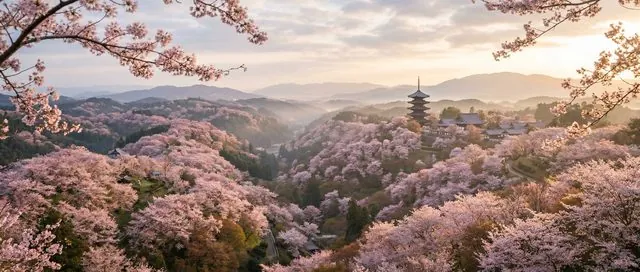
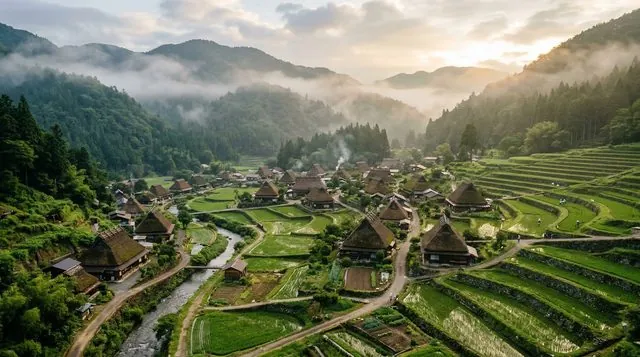
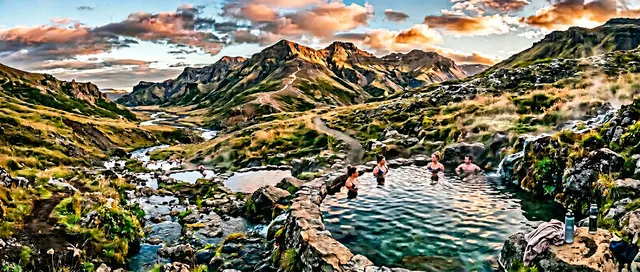
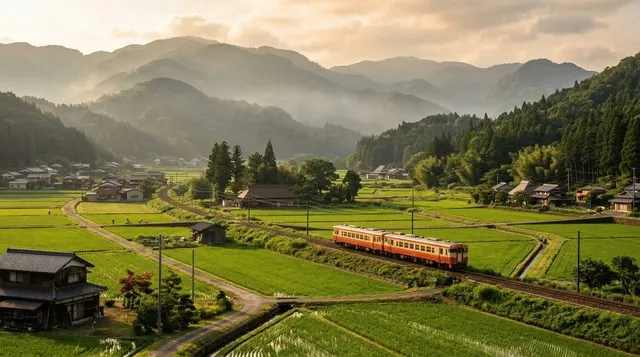
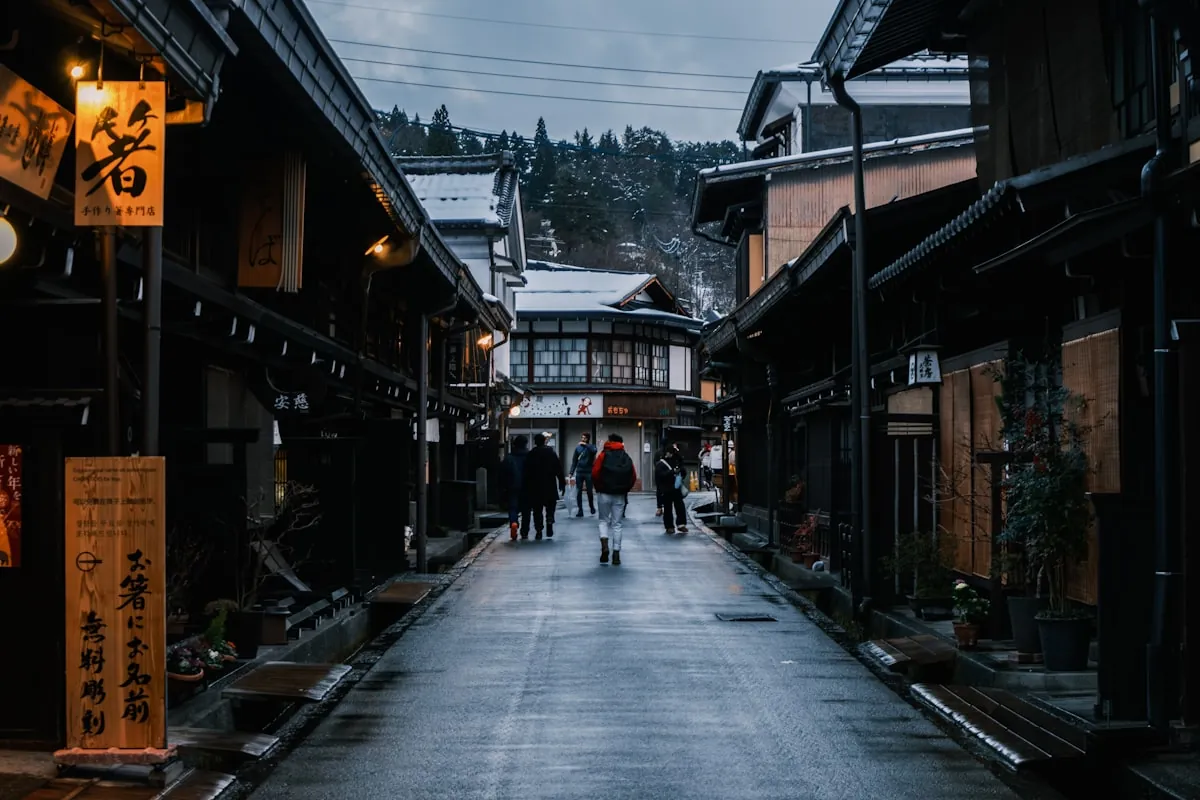
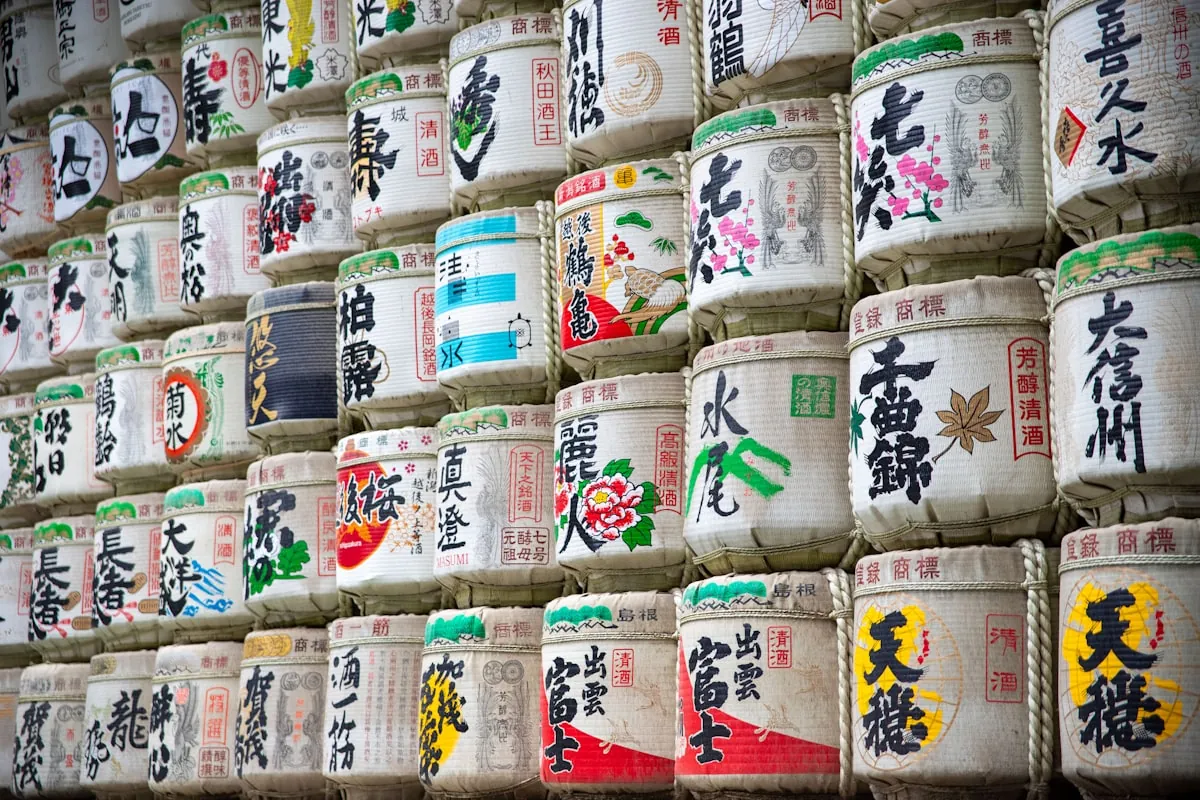
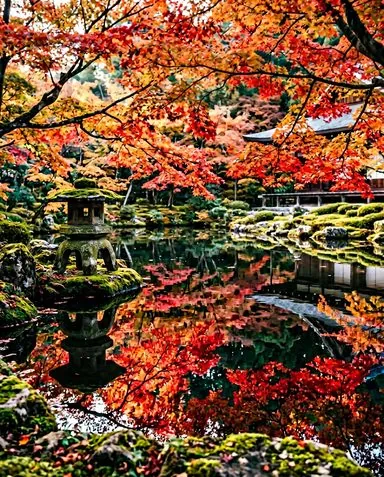

Kanagawa is Tokyo's most rewarding day-trip prefecture — the kind you only really discover after Tokyo's fatigue has set in. Yokohama anchors the harbour; Kamakura holds the Kōtoku-in Great Buddha and the historic shrine of Tsurugaoka Hachimangū; Hakone climbs into volcanic onsen country with the Hakone Open-Air Museum rising from cedar forest; Odawara Castle guards the prefectural gateway from the south. Beyond them lie the Yokohama Chinatown alleys, the seafront promenade of Yamashita Park, the seacaves of the Enoshima Iwaya Caves, the calm beach town of Zushi, and the deep ravine baths of Yugawara Onsen further south.
Cities & Towns
Five anchors stretching from the Tokyo border down to the Hakone ridge and the Pacific surf coast.
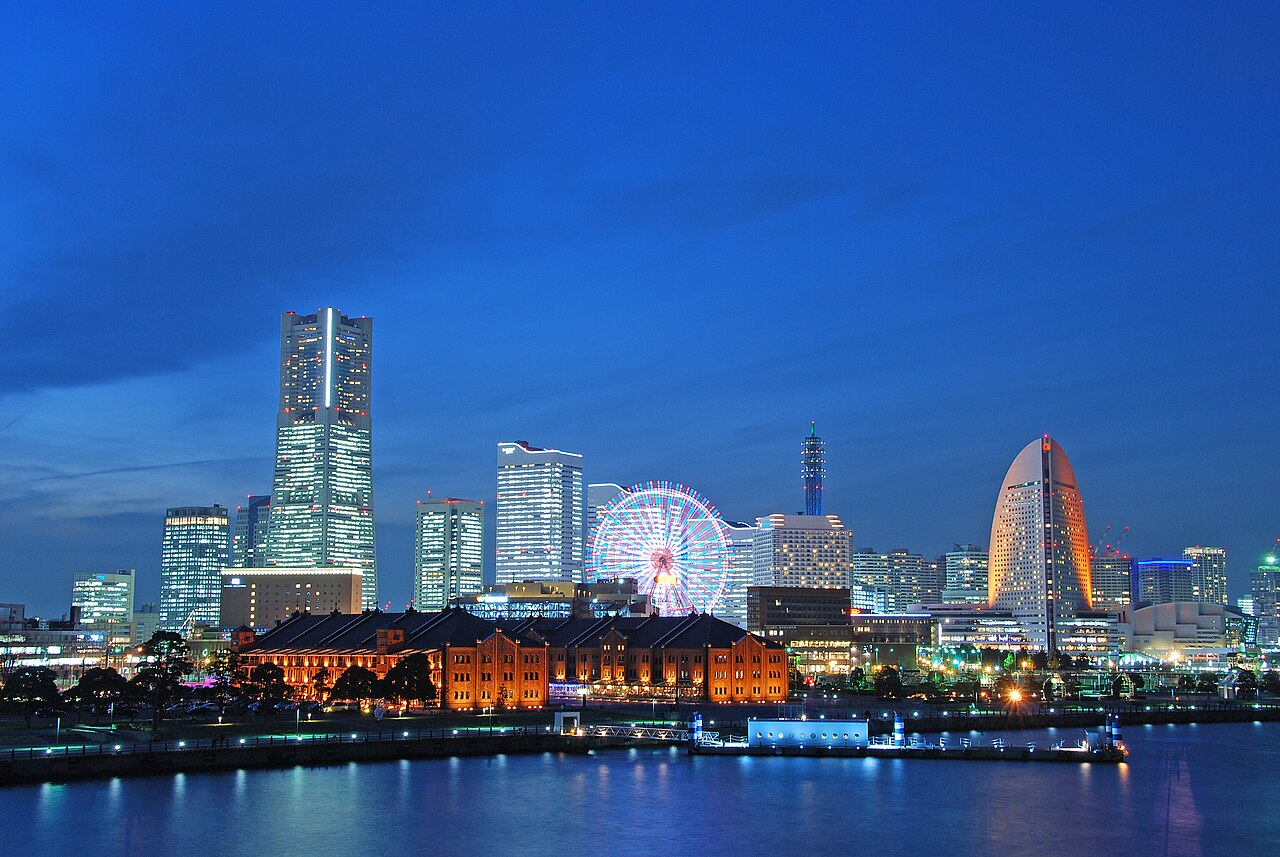
Yokohama
Japan's second-largest city — a Meiji-era port turned cosmopolitan harbour with the country's biggest Chinatown and a waterfront that comes alive at night
Cosmopolitan harbour city
- Minato Mirai
- Chinatown
- Sankeien Garden
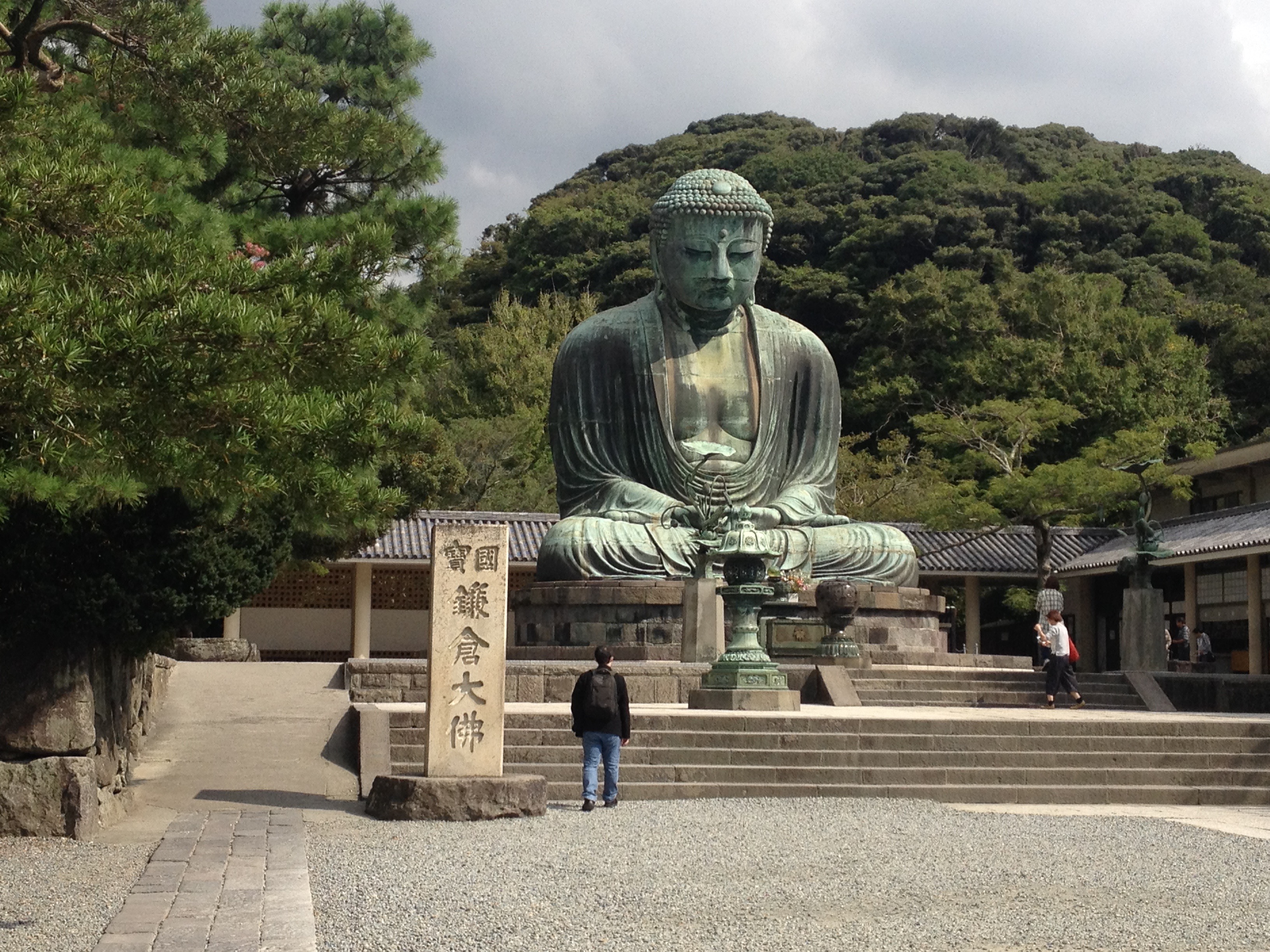
Kamakura
Japan's medieval capital — the Great Buddha, mountain temples, and a beach a tram ride from the main shrine of Tsurugaoka Hachimangū
Medieval temple town
- Great Buddha
- Tsurugaoka Hachimangu
- Hokoku-ji bamboo
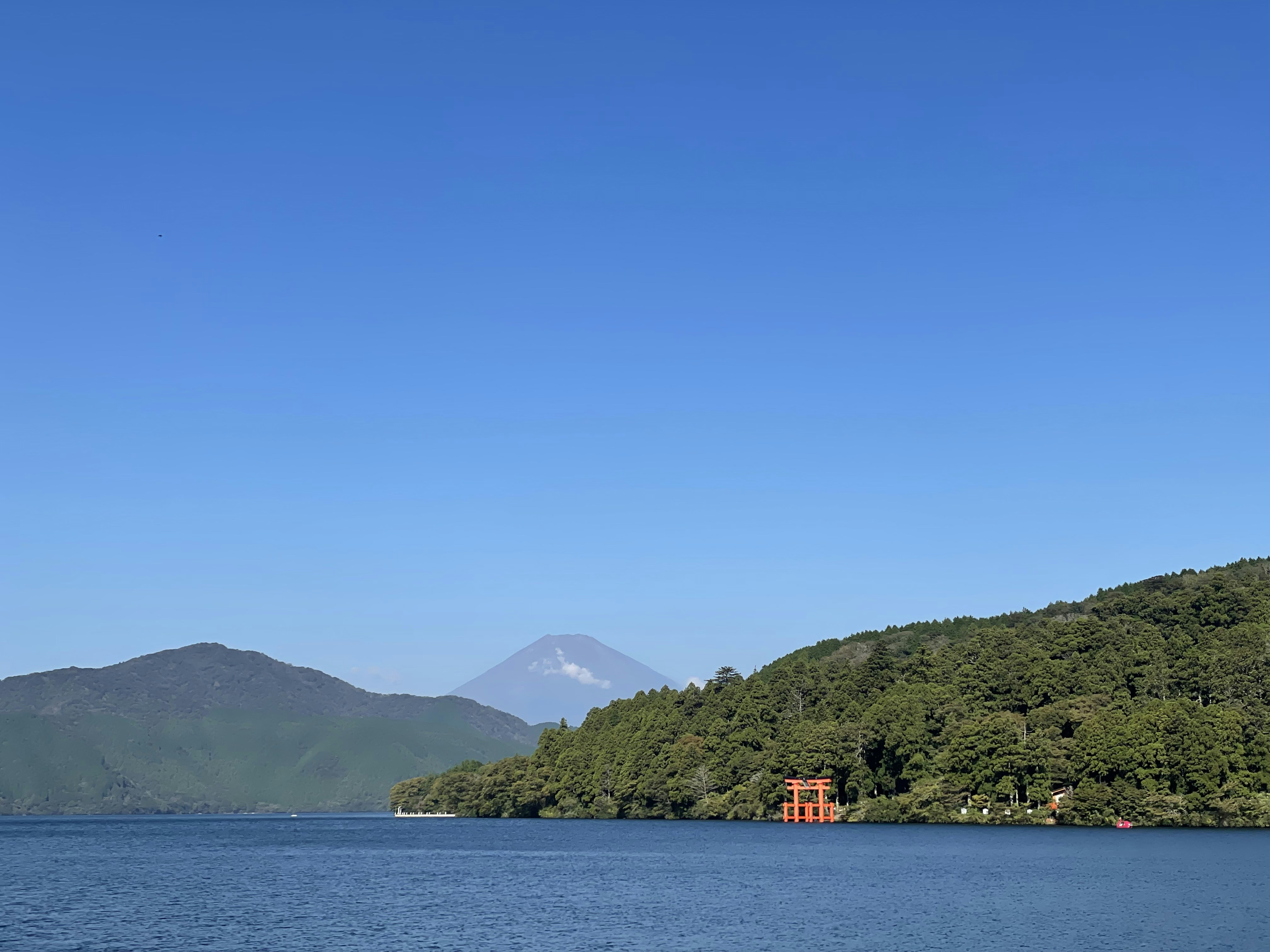
Hakone
Volcanic onsen country with cable cars over Owakudani's sulphur vents and a lakeside torii on Lake Ashi framing Mount Fuji
Volcanic onsen mountains
- Lake Ashi
- Owakudani
- Hakone Open-Air Museum
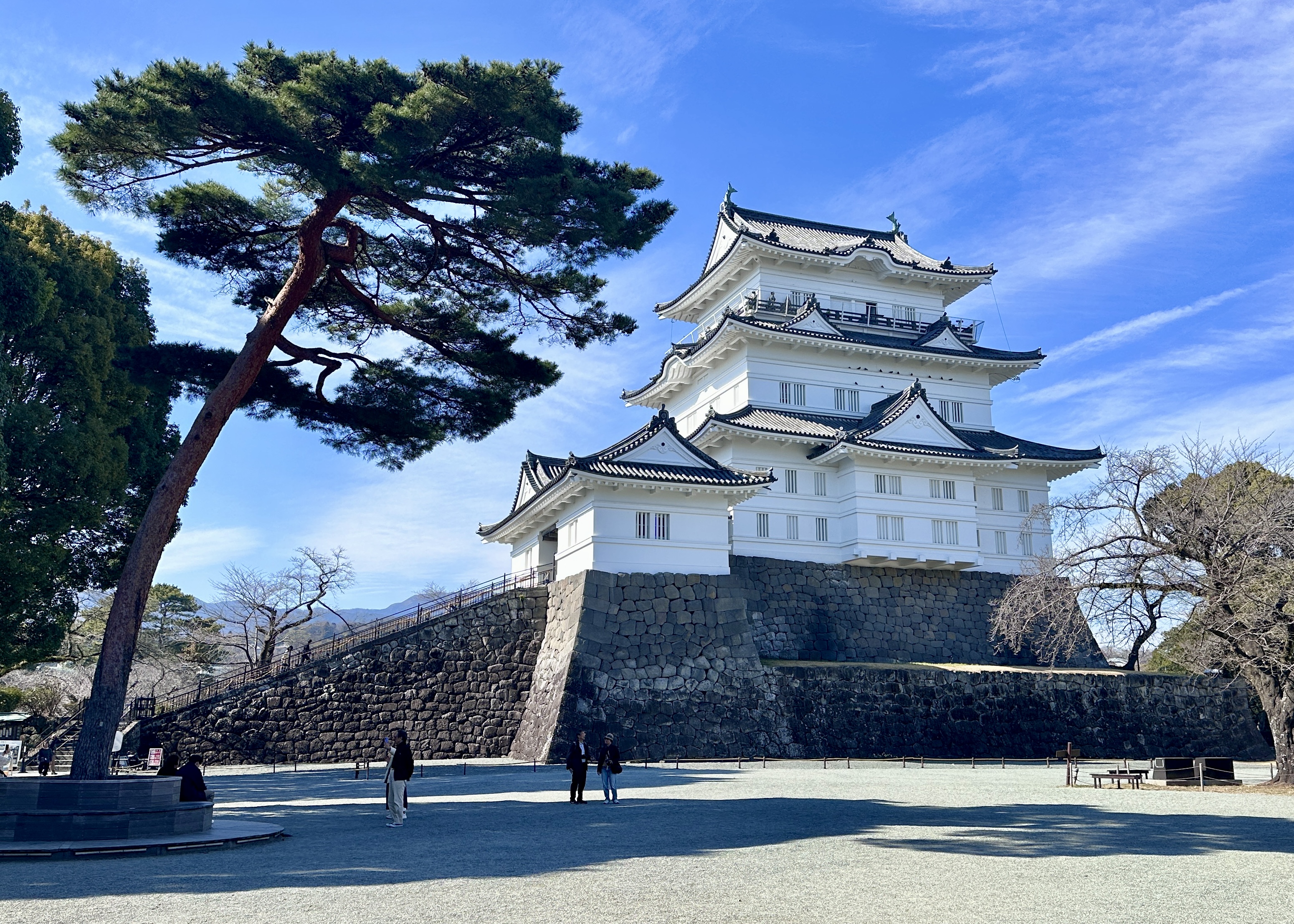
Odawara
The southern gateway to Kanagawa — Odawara Castle towering above the rail station and the seafood markets of the harbour below
Castle town and seafood
- Odawara Castle
- Kamaboko fish-cake town
- Hakone gateway
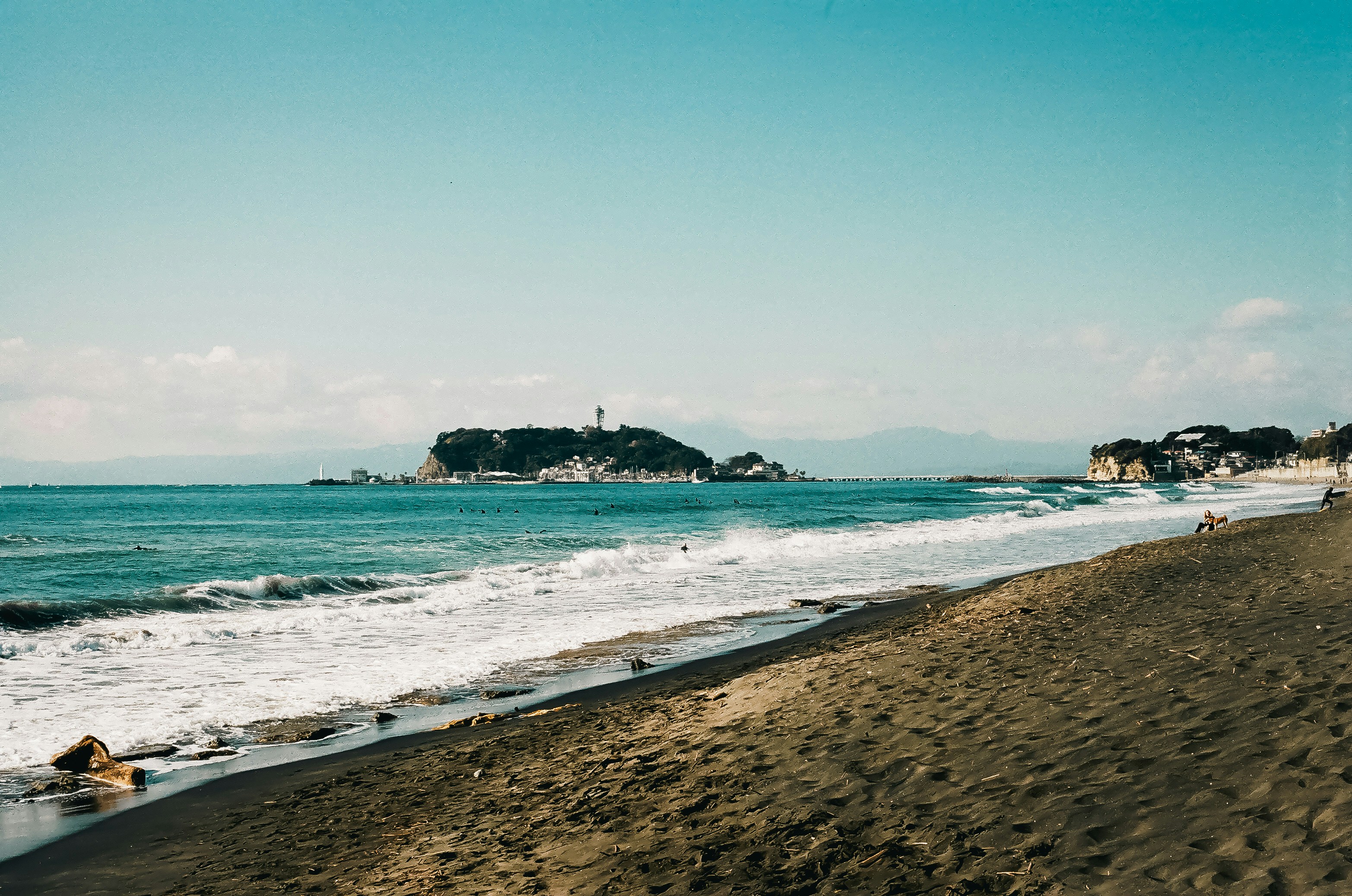
Zushi
A quieter coastal commuter town with white-sand beach and surf scene — half an hour from Tokyo but a world away
Beach commuter town
- Zushi Beach
- Surf scene
- Hayama harbour
Top Attractions
The headline draws across Kanagawa's coast and mountains.
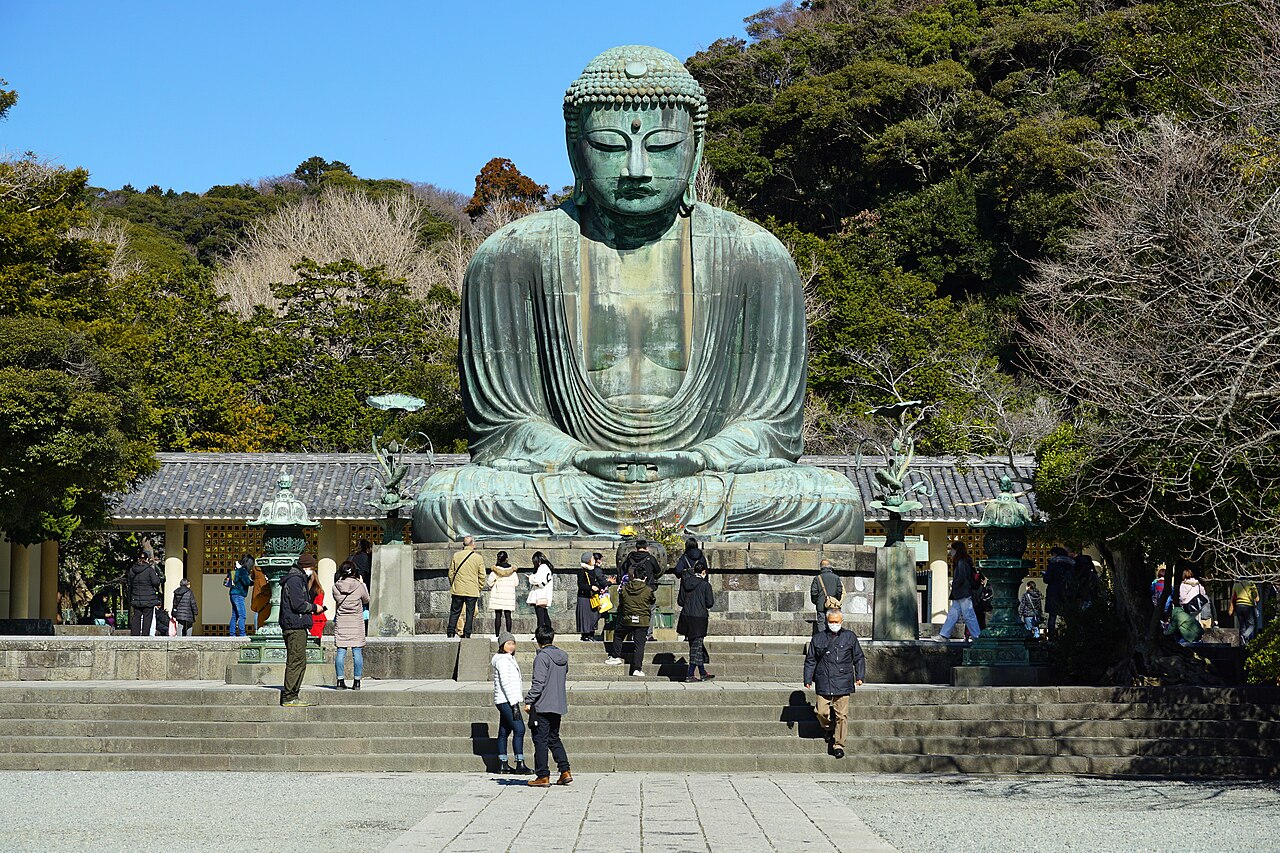
Kotoku-in Great Buddha
An 11.4-metre bronze Buddha cast in 1252 — Kamakura's defining sight, weathered green by 800 years of open sky
Kamakura Great Buddha
- 13th-century bronze
- Open-air setting
- Hase station nearby
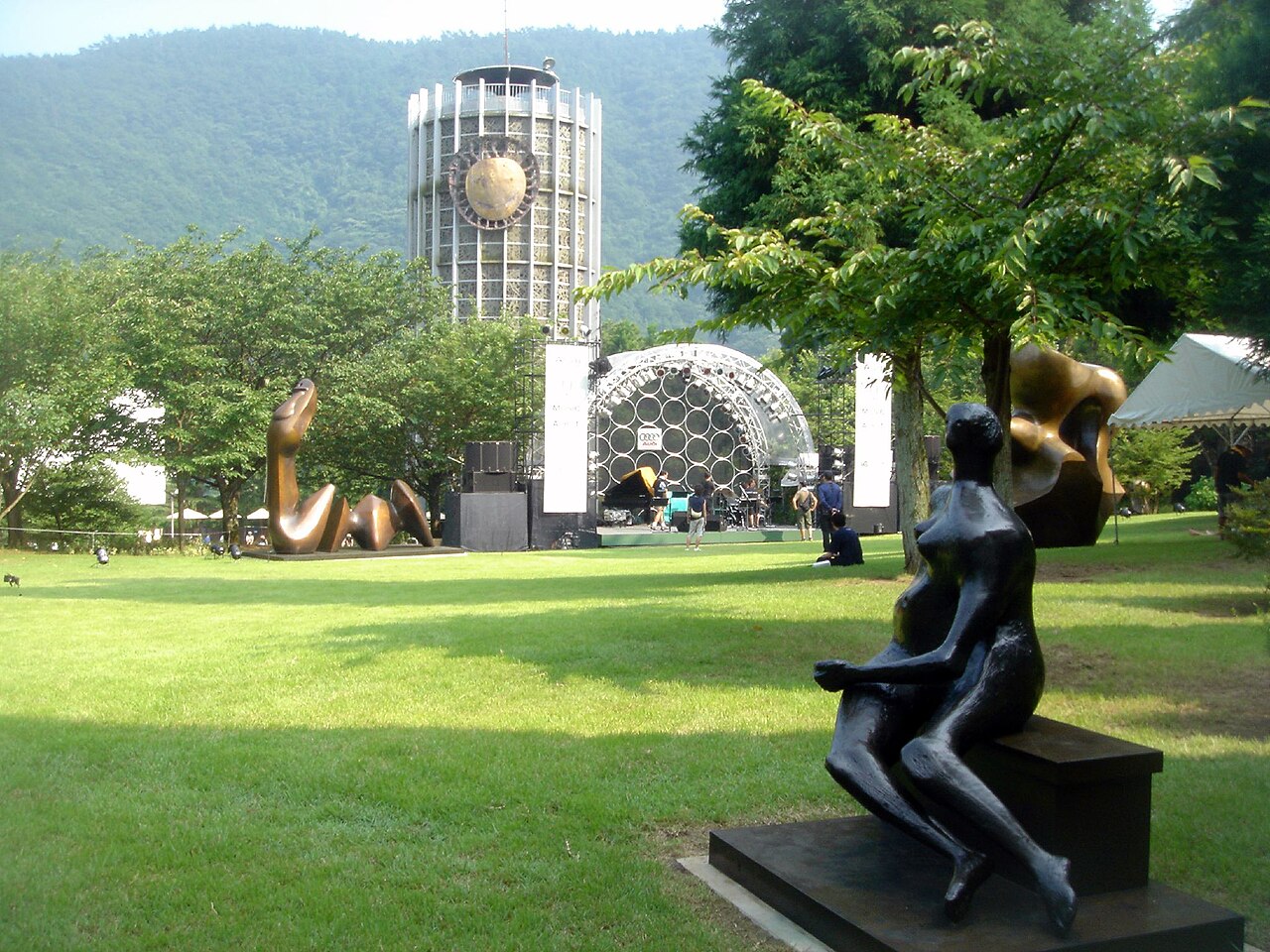
Hakone Open-Air Museum
Japan's first open-air sculpture park — Henry Moore, Picasso, and a Symphonic Sculpture you climb inside, all set against forested mountains
Open-air sculpture park
- 120+ sculptures
- Picasso pavilion
- Foot onsen on site
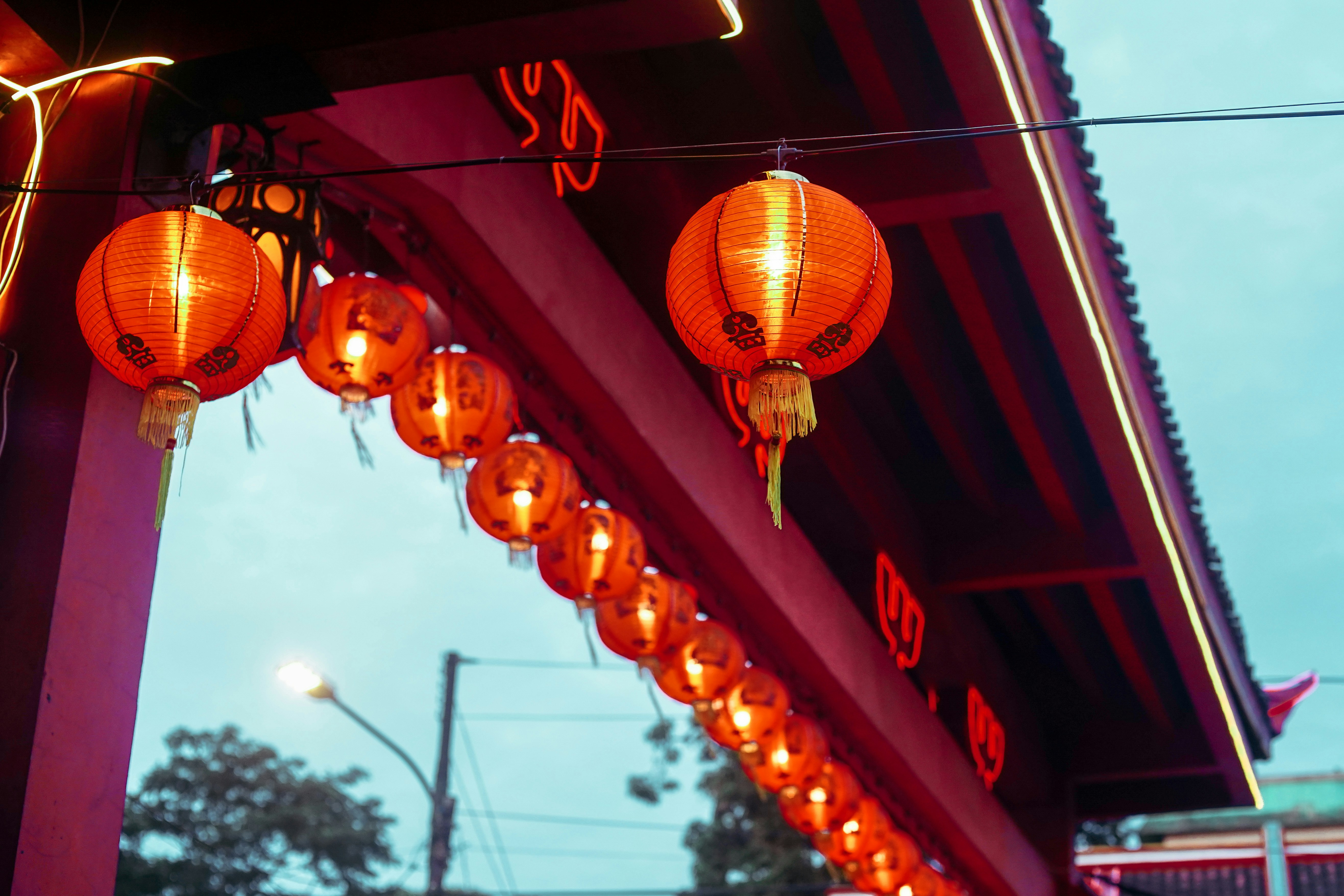
Yokohama Chinatown
Japan's largest Chinatown — 600+ shops and restaurants between four ornate gates, a 90-second walk from Motomachi-Chukagai station
Largest Chinatown in Japan
- Four ornate gates
- 600+ restaurants
- Kanteibyo temple
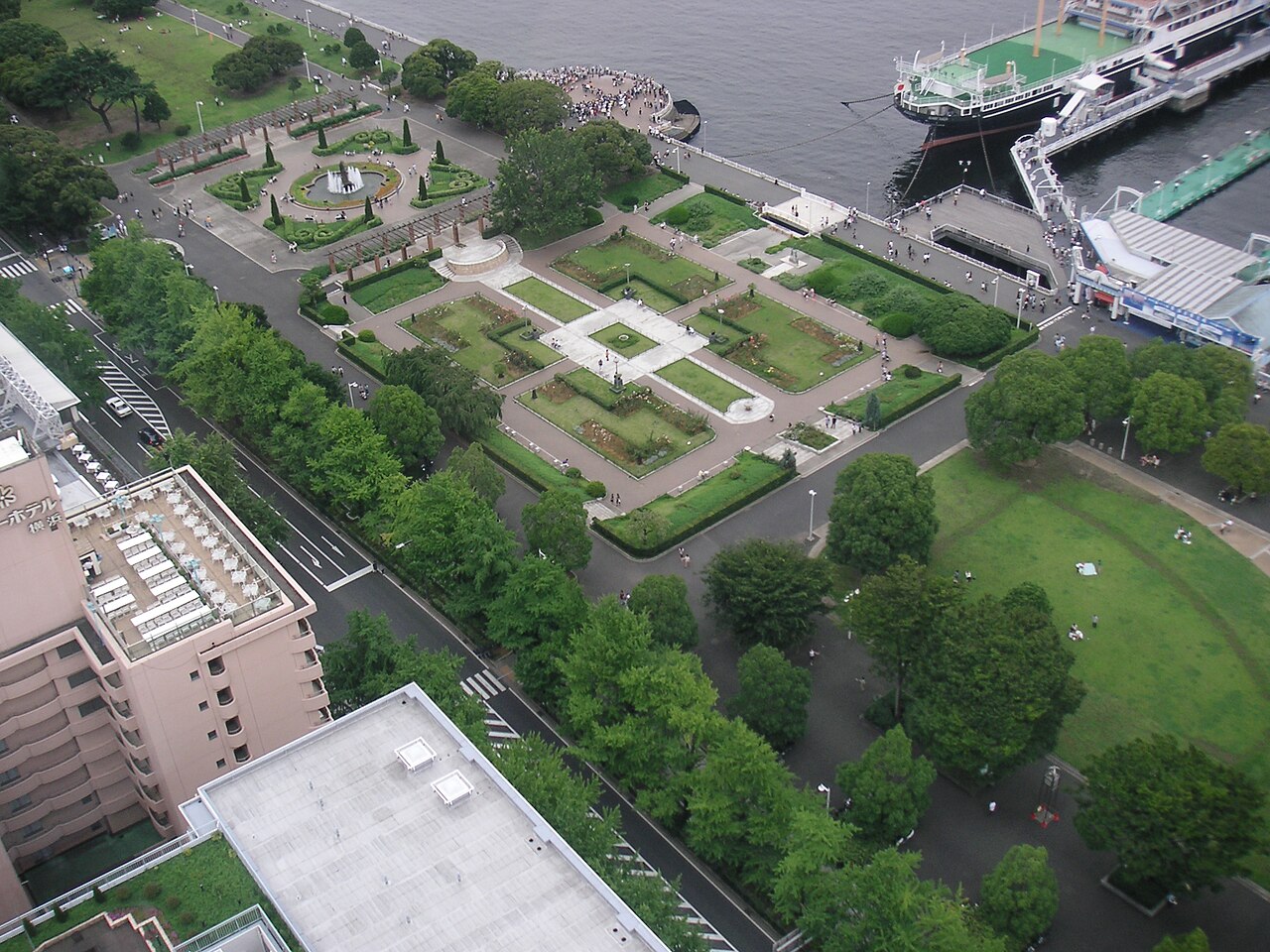
Yamashita Park
Yokohama's seafront promenade — the Hikawa Maru ocean liner moored alongside, Mount Fuji visible on clear winter days
Seafront promenade
- Hikawa Maru ship
- Marine Tower views
- Rose garden
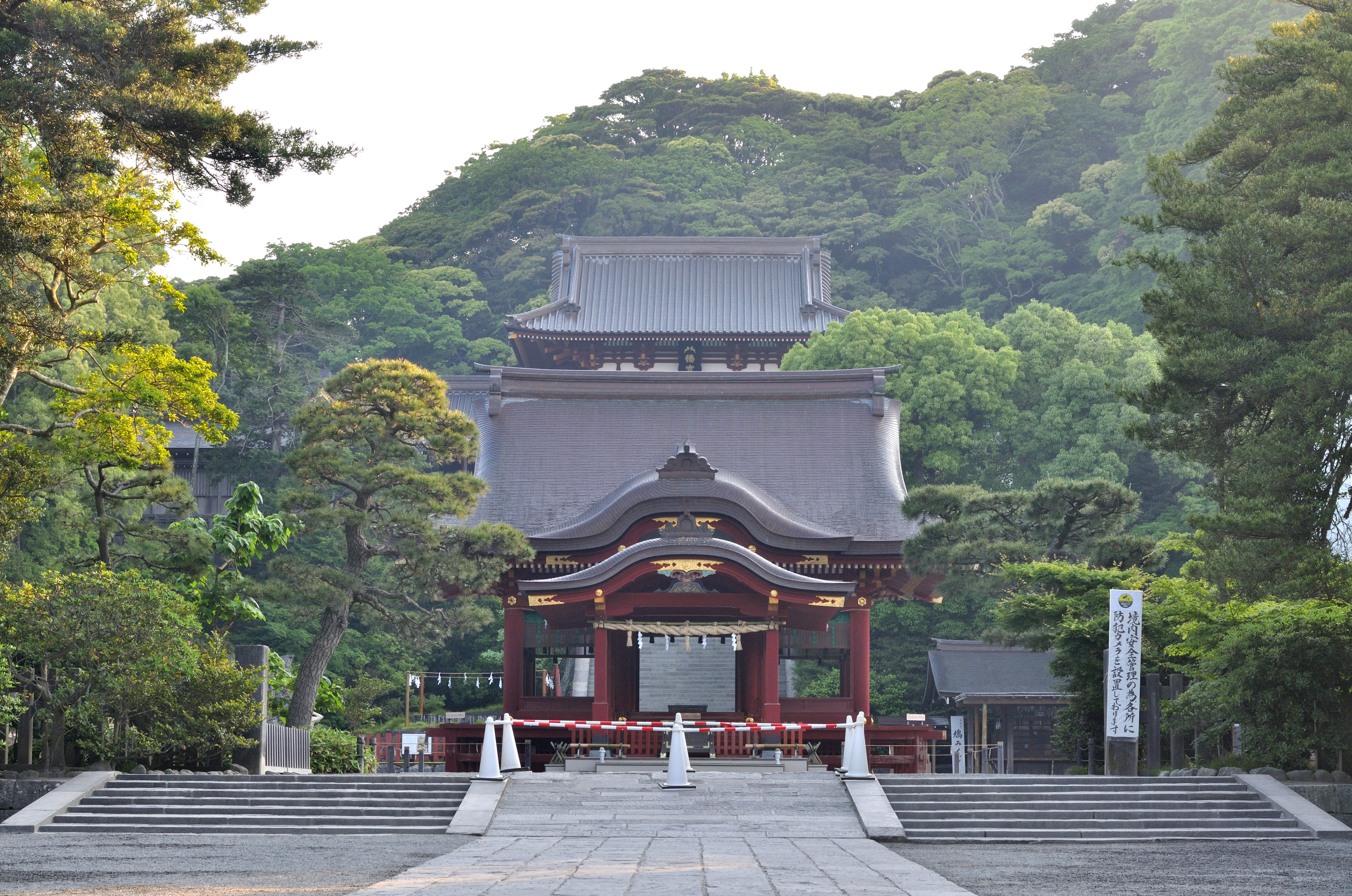
Tsurugaoka Hachimangu
Kamakura's central Shinto shrine — broad approach lined with cherry trees, a sacred ginkgo at the steps, and 800 years of samurai history
Kamakura's main shrine
- Wakamiya-oji avenue
- Cherry blossom season
- Maizuru Hall
Hidden Gems
Three corners of Kanagawa most foreign visitors miss.
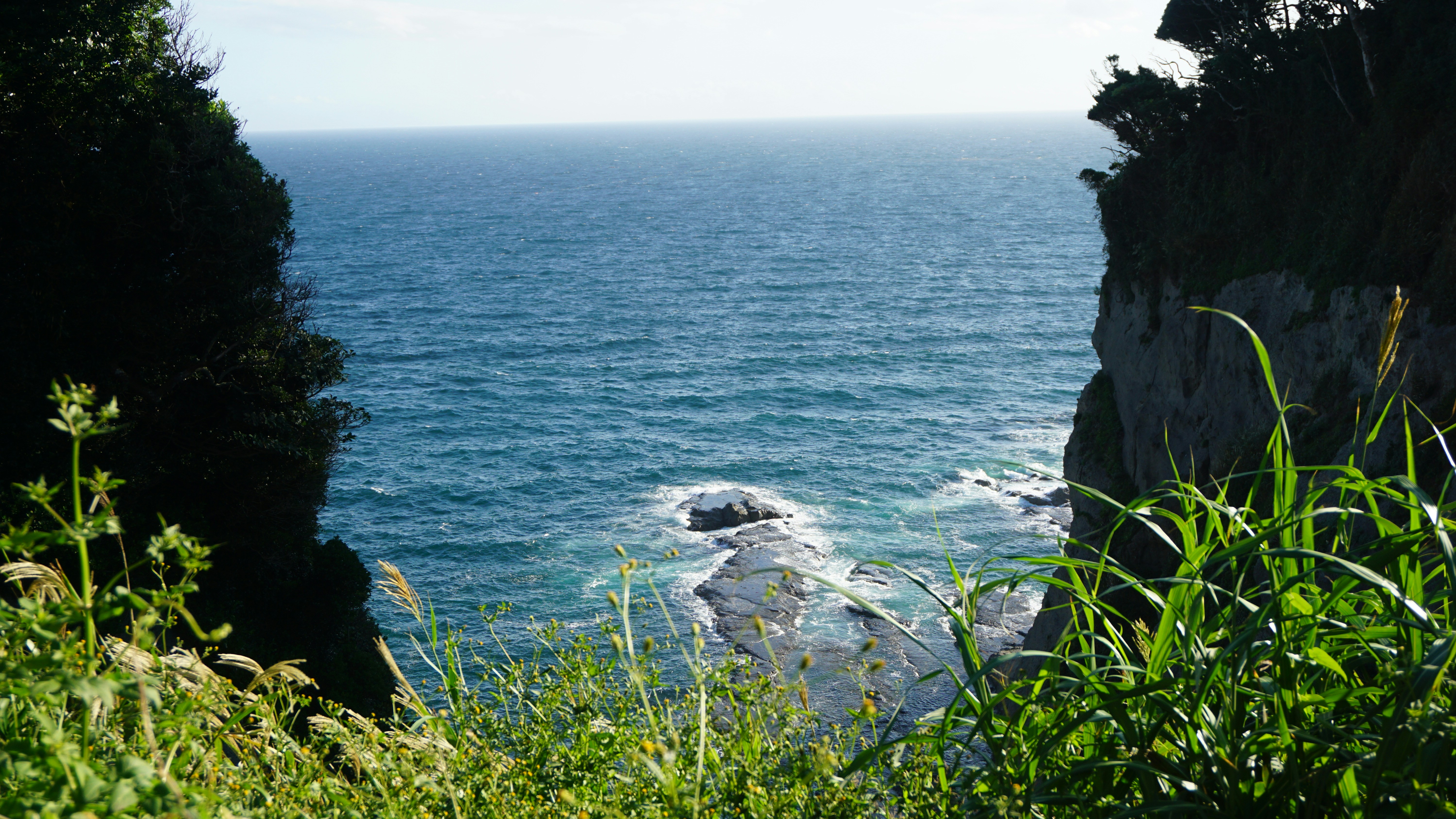
Enoshima Iwaya Caves
Sea-carved tunnels at the back of Enoshima island — torch-lit chambers below where waves still echo from the Pacific
Sea caves under Enoshima
- Two cave chambers
- Cliffside boardwalk
- Sunset viewpoint
Yugawara Onsen
A quieter alternative to Hakone — riverside ryokan, deep open-air baths, and a citrus-grove valley a half-hour past Odawara
Quiet onsen valley
- Open-air baths
- Citrus farms
- Manyo Park trails
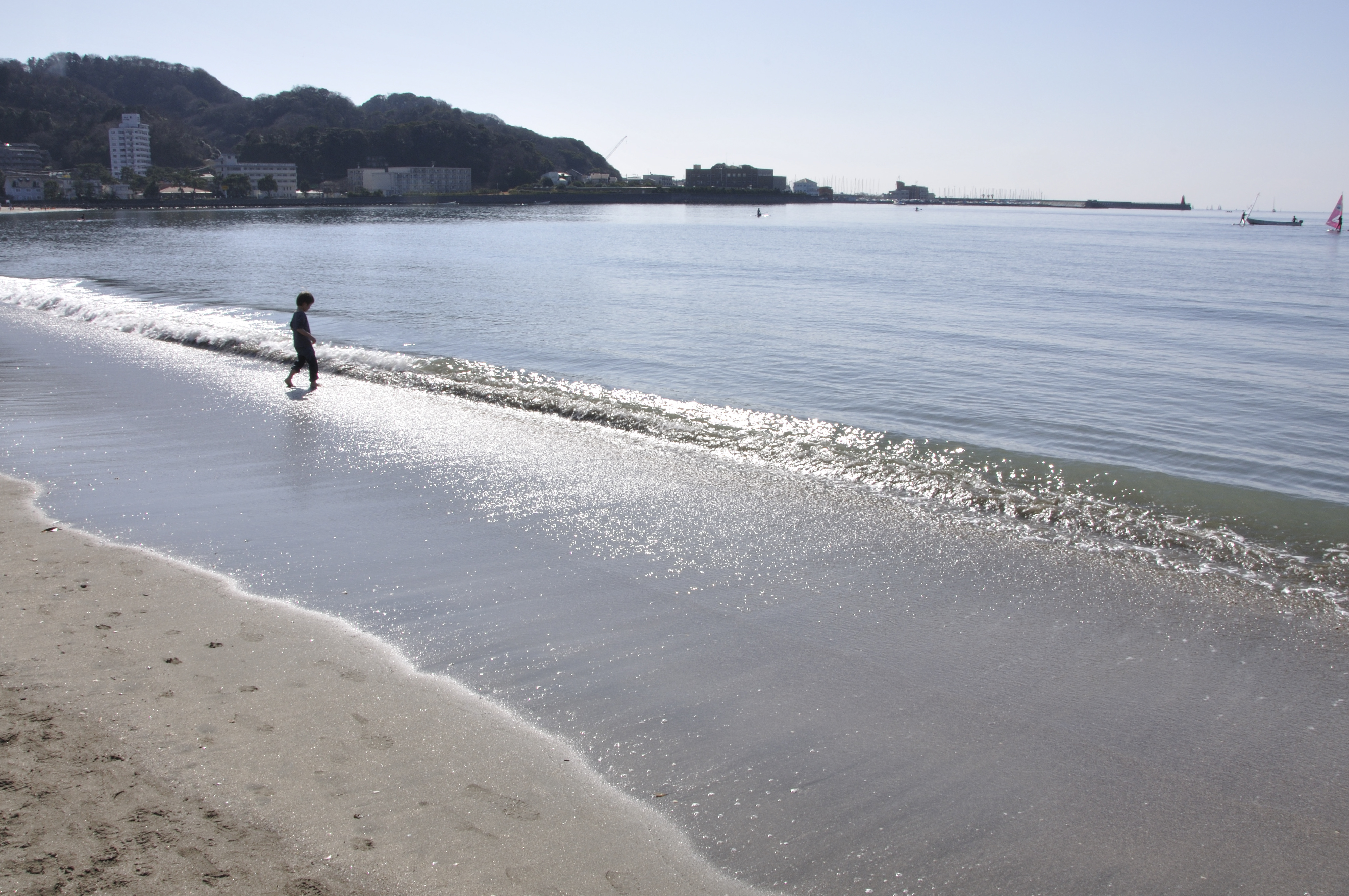
Zushi Beach
Tokyo's nearest beach getaway — a low-key surf scene, beach-hut summers, and the start of the Miura Peninsula coast walk
Tokyo's nearest beach
- Mount Fuji views
- Beach huts
- Surf rentals
When to Visit
Coastal Kanagawa is mild year-round; Hakone in the mountains gets proper snow.
Springharu
Mar – May10–22°CHigh crowds
Springharu
- Cherry blossoms peak early April at Tsurugaoka Hachimangu
- Wisteria at Hakone late April
- Golden Week last week of April
- Mild for hiking around Kamakura
Summernatsu
Jun – Aug24–32°CModerate crowds
Summernatsu
- Beach season opens in Zushi and Kamakura
- Rainy season through early July
- Hakone hydrangea bloom mid-June
- Yokohama harbour fireworks
Autumnaki
Sep – Nov12–25°CHigh crowds
Autumnaki
- Foliage at Hakone late October to mid-November
- Susuki silver-grass plain at Sengokuhara
- Comfortable temperatures coastal
- Light typhoon risk through October
Winterfuyu
Dec – Feb3–13°CLow crowds
Winterfuyu
- Best Mount Fuji views from Lake Ashi and Zushi
- Plum blossoms at Odawara mid-February
- Snow at higher Hakone elevations
- Fewest crowds across Kamakura temples
Suggested Itineraries
Day trips and overnighters from Tokyo into Kanagawa.
FAQ
How do I get from Tokyo to Kanagawa?
Yokohama is 30 minutes from Shibuya on the Tokyu Toyoko line. Kamakura is 1 hour from Tokyo Station on the Yokosuka line. Hakone is 90 minutes via the Odakyu Romancecar from Shinjuku to Hakone-Yumoto.
Is Hakone or Kamakura a better day trip?
Kamakura works as a day trip — the Great Buddha, Tsurugaoka Hachimangu, and a beach are all reachable in one circuit. Hakone is better as an overnight: the volcanic loop with cable cars, Lake Ashi cruise, and onsen baths is hard to compress into a day.
Is the Hakone Free Pass worth it?
Yes if you plan to use the cable car, ropeway, sightseeing boat, and tour bus on the Hakone loop — typically all in one or two days. Buy at any Odakyu station; choice of 2-day or 3-day passes from Shinjuku.
What is Kanagawa best known for?
Kamakura's Great Buddha and medieval temples, Hakone's volcanic onsen and Mount Fuji views, Yokohama's harbour and Chinatown — and a generally cosmopolitan coastal character that contrasts with central Tokyo.
How many days do I need in Kanagawa?
One day is enough for Kamakura or Yokohama as a Tokyo day trip. Two days lets you add Hakone. A long weekend (3 days) opens up Odawara, Zushi, or the Miura Peninsula too.
What are Kanagawa's hidden gems?
Yugawara Onsen south of Hakone for a quieter alternative, the sea-carved Enoshima Iwaya Caves below Enoshima island, and the surf-and-beach commuter town of Zushi just past Kamakura.