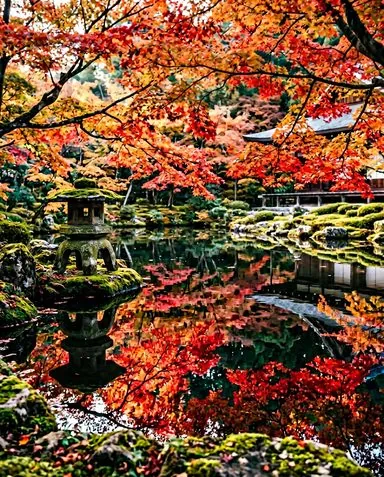

Tsukishima is the reclaimed-island wijk on Tokyo Bay’s east side — built up in 1892 from Sumida-river dredging, settled by fishermen and dockworkers. Today it’s the birthplace and capital of monjayaki (Tokyo’s loose-batter answer to Osaka’s okonomiyaki), with 70 monja restaurants packed into one street. The neighbouring island Tsukuda preserves Edo-era fishing alleys.
Character of the District

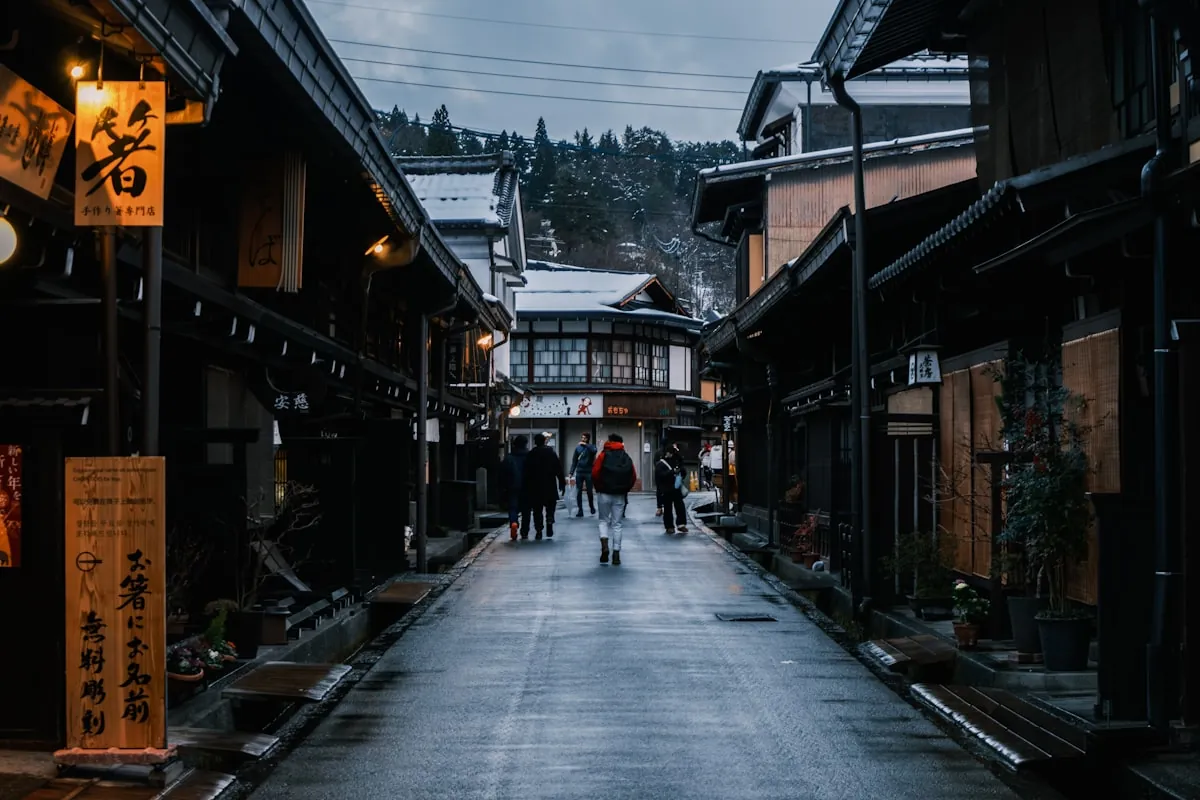
Exit Tsukishima Station via the west exit and Monja Street starts immediately — 70 monja restaurants over 400m. Each has a teppan grill at every table; you order, the staff cooks the first batch as a demo (the only English you’ll get), then you take over. Most run ¥1,500–2,500 per person for a full dinner with beer. North across the bridge: Tsukuda island preserves Edo fishing-village alleys, including the famous Tsukudajima Sumiyoshi Shrine and the working tsukudani (sweet-soy preserved seafood) shops.
What to See in Tsukishima
Three things on Tsukishima:
How to Get There
Getting There
- 1Take Tokyo Metro Yurakucho Line → Tsukishima Station
- 1Take Toei Oedo Line → Tsukishima Station
Tips
- First-time monja: let the staff cook for you. Watch the demo, ask for a second batch hands-on after.
- Walk to Tsukuda after dinner. 5 min over the bridge; old fishing-village alleys lit by lanterns.
- Combine with Tsukiji morning + Tsukishima evening. 10 min walk apart — sushi breakfast, monja dinner.
Adjacent Neighborhoods
Districts on Tsukishima’s edge:
FAQ
Monjayaki vs okonomiyaki?
Monja = Tokyo, looser batter, scraped thin off the grill with a small spatula. Okonomiyaki = Osaka, thick pancake. Monja is messier and more communal.
Best monja restaurant?
Iroha (the original, 1955), Bambi (cheese-corn crowd-pleaser), Tsuru (good English help). All ¥1,500–2,500.