
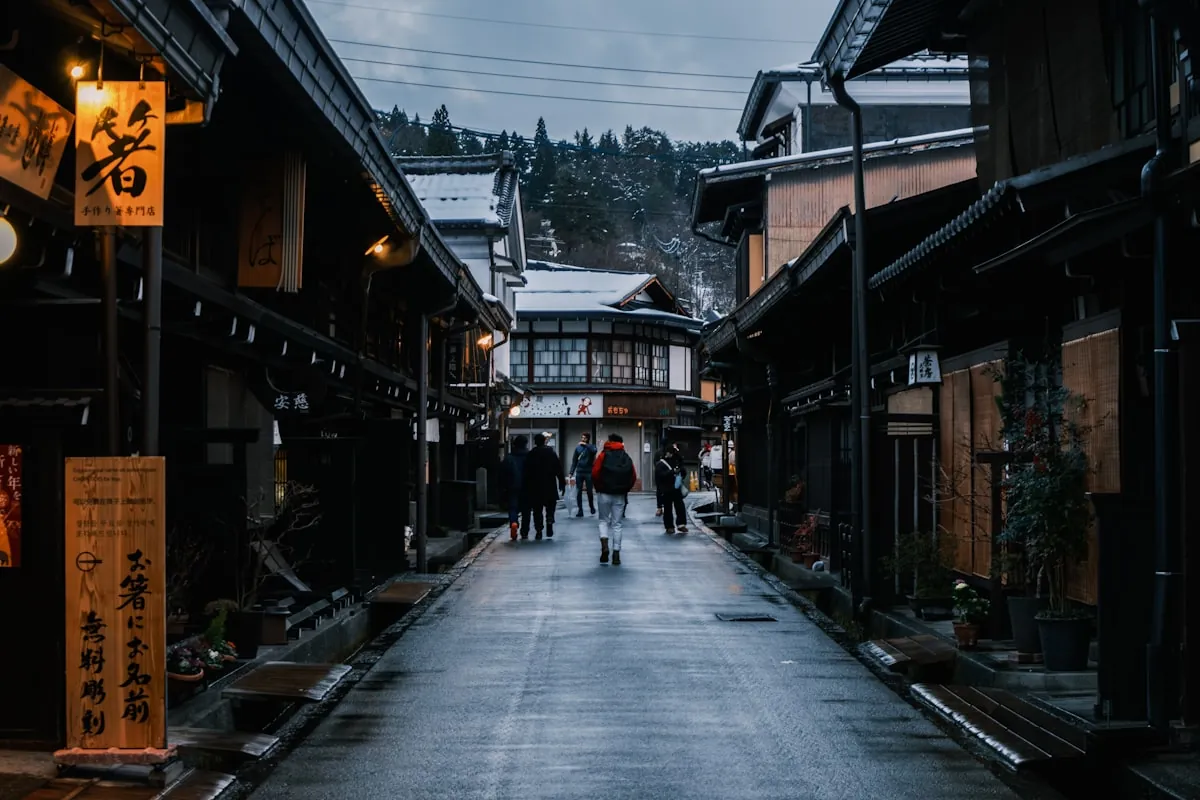
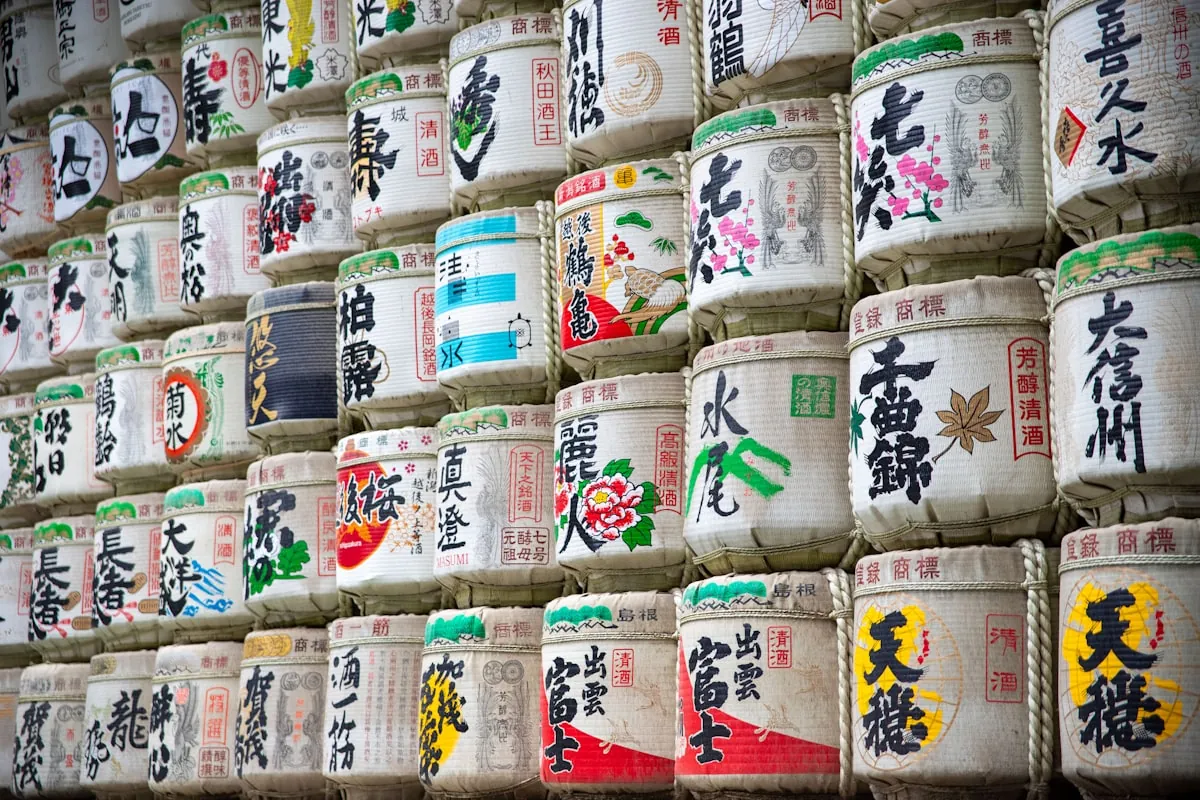
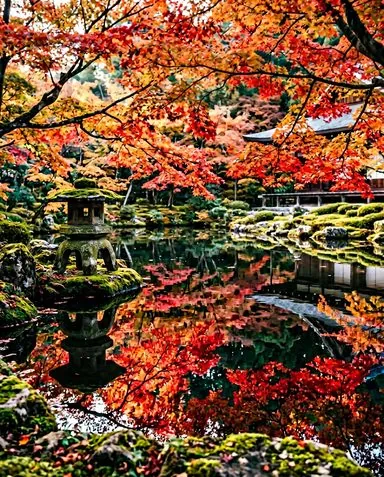
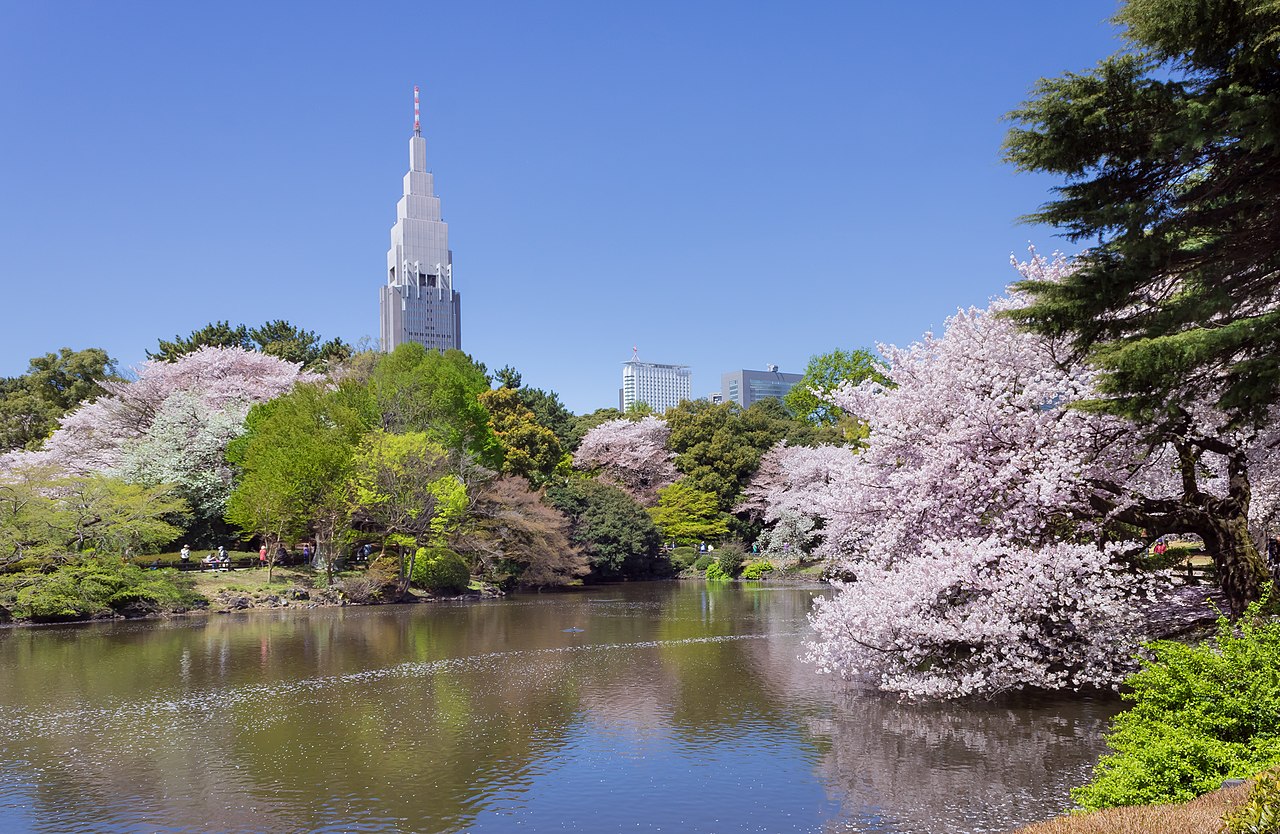

Kichijoji repeatedly tops Tokyo’s ‘most livable wijk’ surveys — south side opens to Inokashira Park’s lake, north side stacks shopping arcades, the Harmonica-yokocho post-war alleys deliver yakitori at counter-elbow distance. Studio Ghibli’s museum sits at the back of the park.
Character of the District
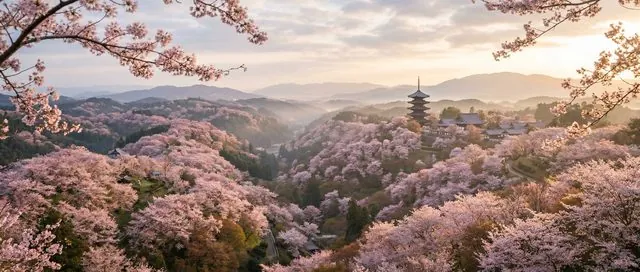
South-side: walk down from the JR station to the Inokashira pond — 250 cherry trees in spring, swan boats year-round, the Studio Ghibli Museum 5 minutes further into the park (advance ticket required, sells out in hours). North-side: Harmonica-yokocho — narrow under-tracks alley named for its harmonica-row of tiny stalls, Showa-era yakitori and izakaya at counter-elbow distance, packed 18:00–22:00. Sun Road and Nakamichi-dori for the shopping arcade.
What to See in Kichijoji
Three anchors:
Consider This Instead
For a similar livable + working-class wijk closer to central Tokyo with even more locals-only izakaya density, head to Sangenjaya — Tokyu Den-en-toshi line, 4 min from Shibuya, no foreign visitors at all.
How to Get There
Getting There
- 1Take JR Chuo Rapid Line → Kichijoji Station
- 1Take Keio Inokashira Line → Kichijoji Station
Tips
- Ghibli Museum tickets release 1st of each month. Foreigners use JTB or Lawson — book the day they go on sale.
- Harmonica-yokocho 18:00–20:00 weekday. Saturday is wall-to-wall; weekday gets you a stool.
- Park-side cherry late March. 250 trees; less crowded than Ueno.
Adjacent Neighborhoods
Districts on Kichijoji’s edge:
FAQ
Why is Kichijoji always voted ‘most livable’?
Park + indie shops + post-war alleys + 15-min train to Shinjuku, all without high-rise density.
How much time?
Half day for park + lunch + Sun Road. Full day with Ghibli Museum + evening Harmonica-yokocho.