
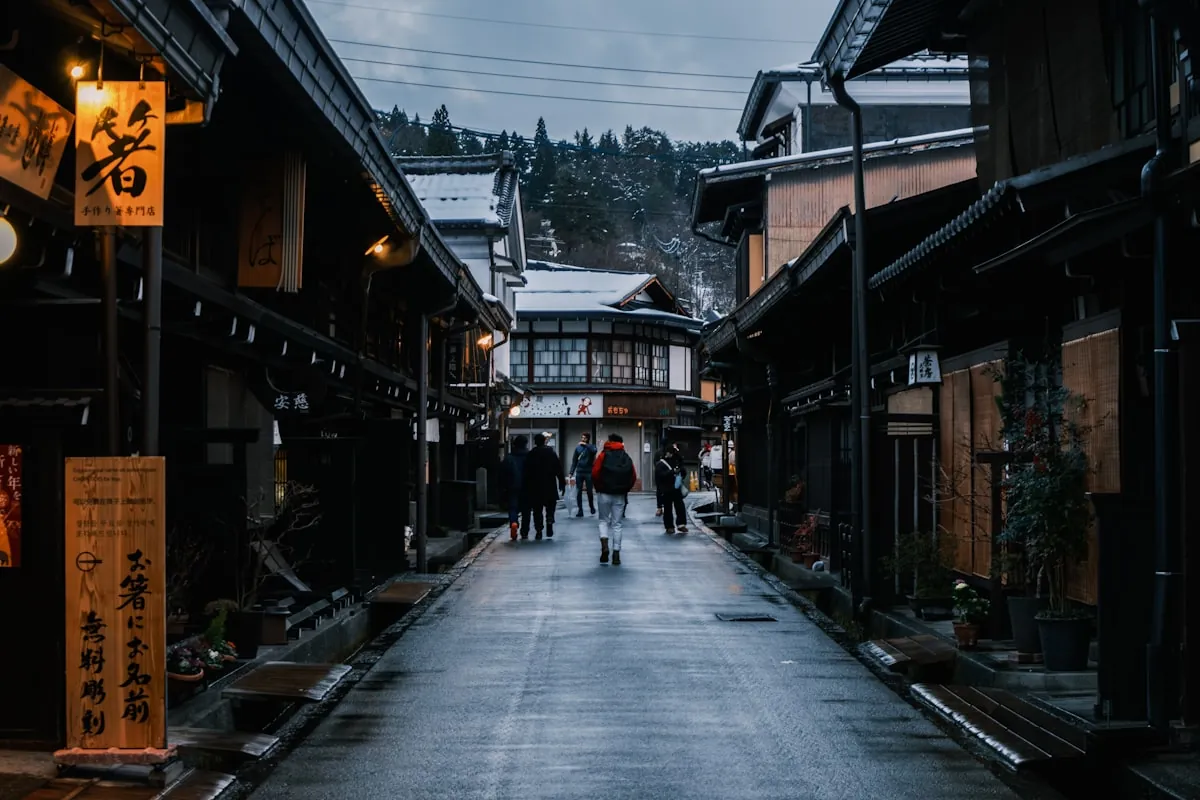

Monja Street is the 400m strip on Tsukishima’s working-island neighborhood where 70 monjayaki restaurants pack one block — birthplace and capital of Tokyo’s loose-batter teppan dish. Each restaurant has 4-8 tables with a built-in teppan grill; staff cooks the first batch as a demo, then you take over.
What to Expect

Pick any restaurant with empty tables (most have similar menus). Order: monjayaki batter (loose, scooped onto the grill in a circle) + 1-2 add-ons (mochi, cheese, seafood, kimchi). Staff demos the first batch — making the ‘dam wall’ that contains the batter and showing how to scrape thin pieces with the small spatulas. Then you do round 2 yourself.
Consider This Instead
For Osaka-style okonomiyaki (thicker, served as a pancake) instead of Tokyo monja, head to any okonomiyaki specialist — Sometaro in Asakusa is a Tokyo institution.
How to Get There
Getting There
From Tokyo Station
- 1Take Tokyo Metro Yurakucho Line → Tsukishima Station
- 2West Exit, Monja Street starts immediately → Monja Street
Tips
- First-timer: cheese-mochi monja. Beginner-friendly add-ons; staff demo handles the technique.
- Try Iroha (the original 1955). First Tsukishima monja restaurant; small, queue, atmosphere.
- Plan transport home before 22:30. Last train back to central Tokyo runs ~23:30; not late.
FAQ
Monja vs okonomiyaki?
Monja = Tokyo, looser batter, scraped thin off the grill. Okonomiyaki = Osaka, thick pancake. Monja is messier and more communal.
Best monja restaurant?
Iroha (the original), Bambi (cheese-corn classic), Tsuru (good English help). All ¥1,500-2,500.


