

Aoyama is the Omotesando-east designer wijk where every Pritzker laureate built a flagship — Herzog & de Meuron’s glass-bubble Prada (2003), SANAA’s Dior (2003), Kengo Kuma’s Nezu Museum (2009), Tadao Ando’s Hyundai (2002). The 1872 Aoyama Cemetery to the east turns into a sakura tunnel for two weeks every spring.
Character of the District
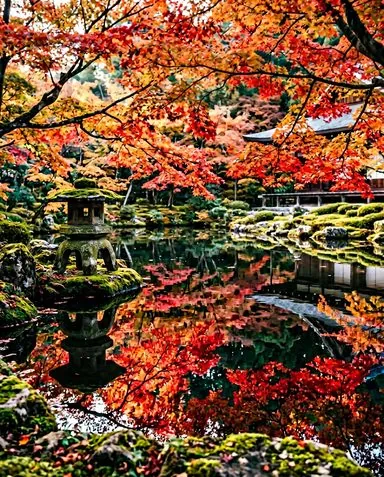
Walk Aoyama-dori from Omotesando east — every block has a Pritzker. Prada (Herzog & de Meuron, 2003) is the diamond-grid glass icon at the Miyuki-dori intersection. Dior (SANAA, 2003) on the same block is a translucent layered facade. Tods (Toyo Ito, 2004) further east has the tree-branch concrete structure. The Nezu Museum (Kengo Kuma, 2009) at the south end pairs Asian art with one of Tokyo’s loveliest moss gardens.
What to See in Aoyama
Three architecture-and-art anchors:
Consider This Instead
For a similarly polished walking-architecture wijk with Edo-era roots and an Imperial Hotel anchor, head to Marunouchi — Tokyo Station’s 1914 brick facade, Mitsubishi Naka-dori restaurant strip, free architecture-walk.
How to Get There
Getting There
- 1Take Tokyo Metro Marunouchi to Akasaka-mitsuke → Akasaka-mitsuke
- 2Transfer to Ginza Line → Omotesando Station
- 1Take Tokyo Metro Ginza Line → Omotesando
Tips
- Architecture walk is free. Photograph the flagships from outside; only Nezu Museum charges entry.
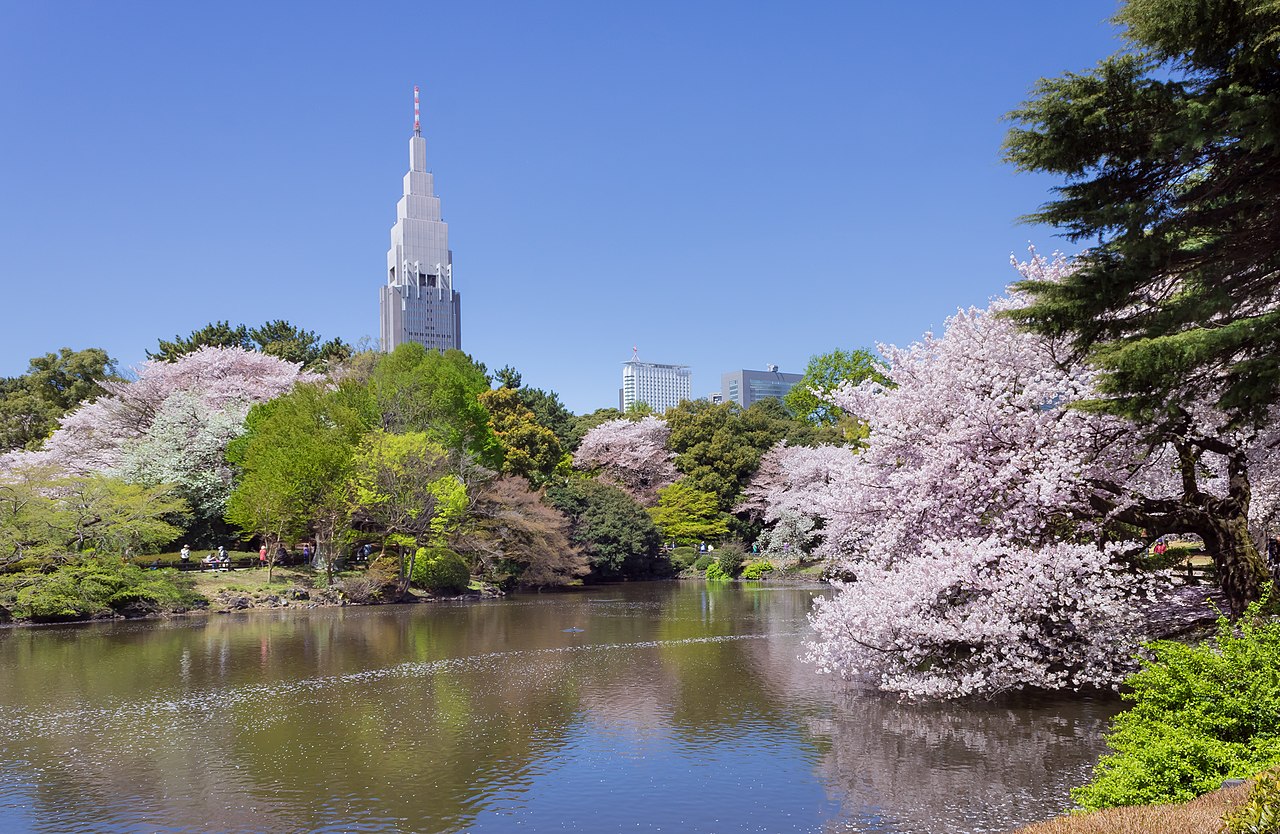
- Sakura cemetery early April. Aoyama Cemetery’s central avenue is one of the city’s most-photographed sakura tunnels.
- Pair with Omotesando + Harajuku. One walk west covers the whole designer-fashion + youth-fashion arc.
Adjacent Neighborhoods
Districts on Aoyama’s edge:
FAQ
Aoyama or Omotesando for design?
Same wijk really — Aoyama-east has architecture flagships, Omotesando-west has the boulevard + cafes. One walk.
Best Pritzker building?
Prada (Herzog & de Meuron) for the icon photo. Nezu Museum (Kengo Kuma) if you only enter one — interior + garden.