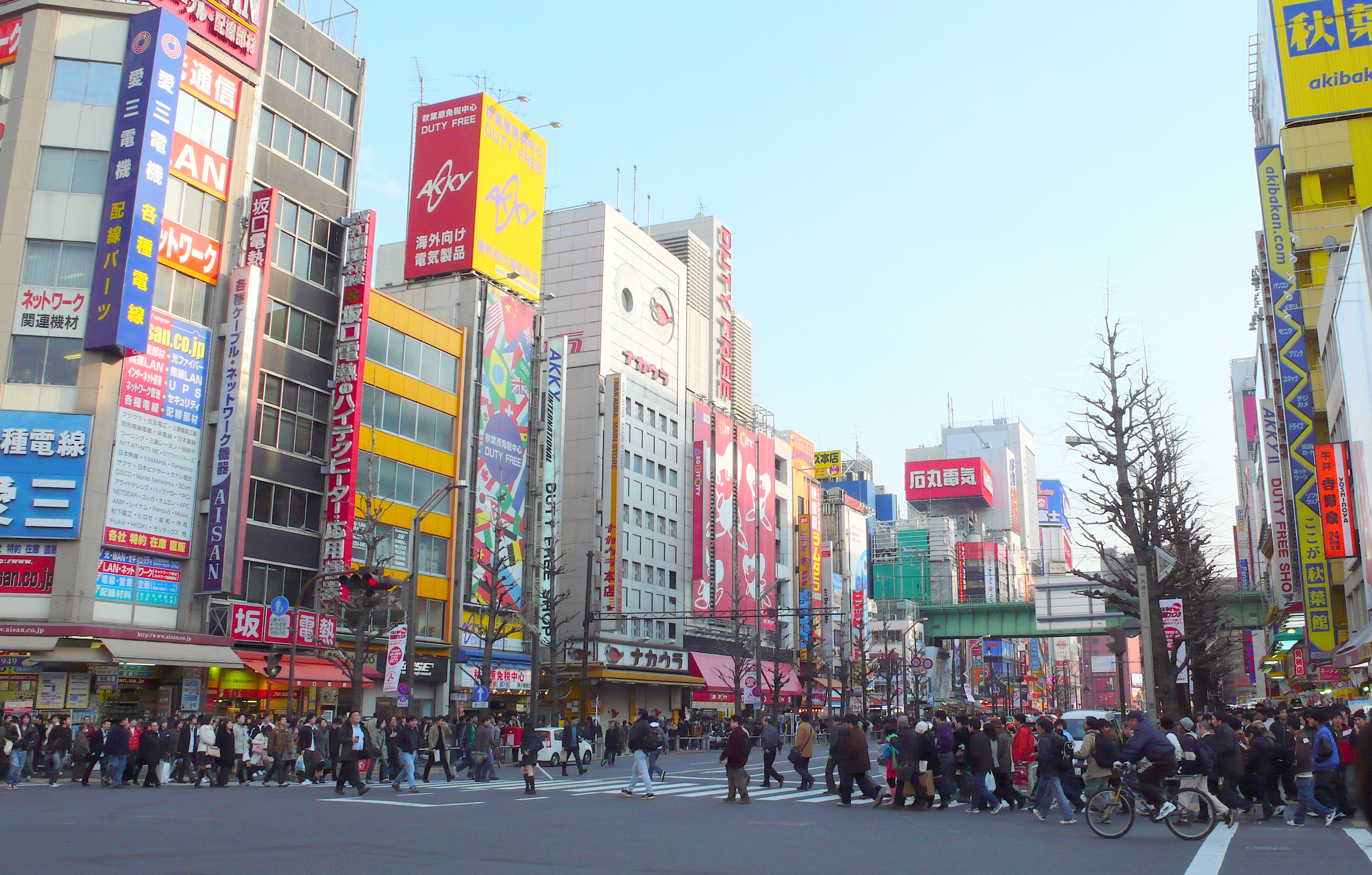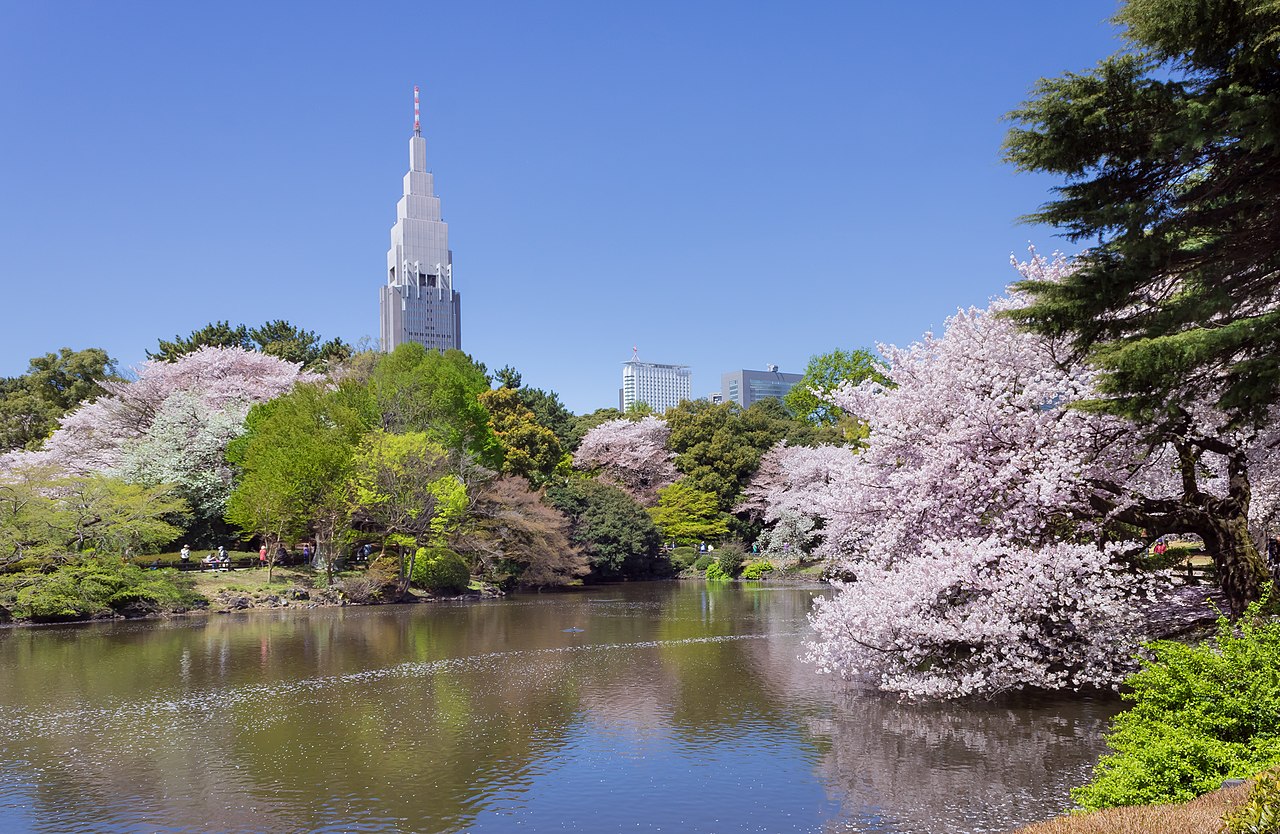

Ginza is Tokyo’s luxury-shopping district immediately east of the Imperial Palace — built on land Tokugawa Ieyasu reclaimed in the 1600s for a silver mint (gin = silver), rebuilt in red brick after the 1872 fire as Tokyo’s first Western-style commercial street, and rebuilt again after WWII as the city’s premier flagship-boutique avenue. Sundays the main 1.1km Chuo-dori is closed to traffic 12:00–17:00.
Character of the District
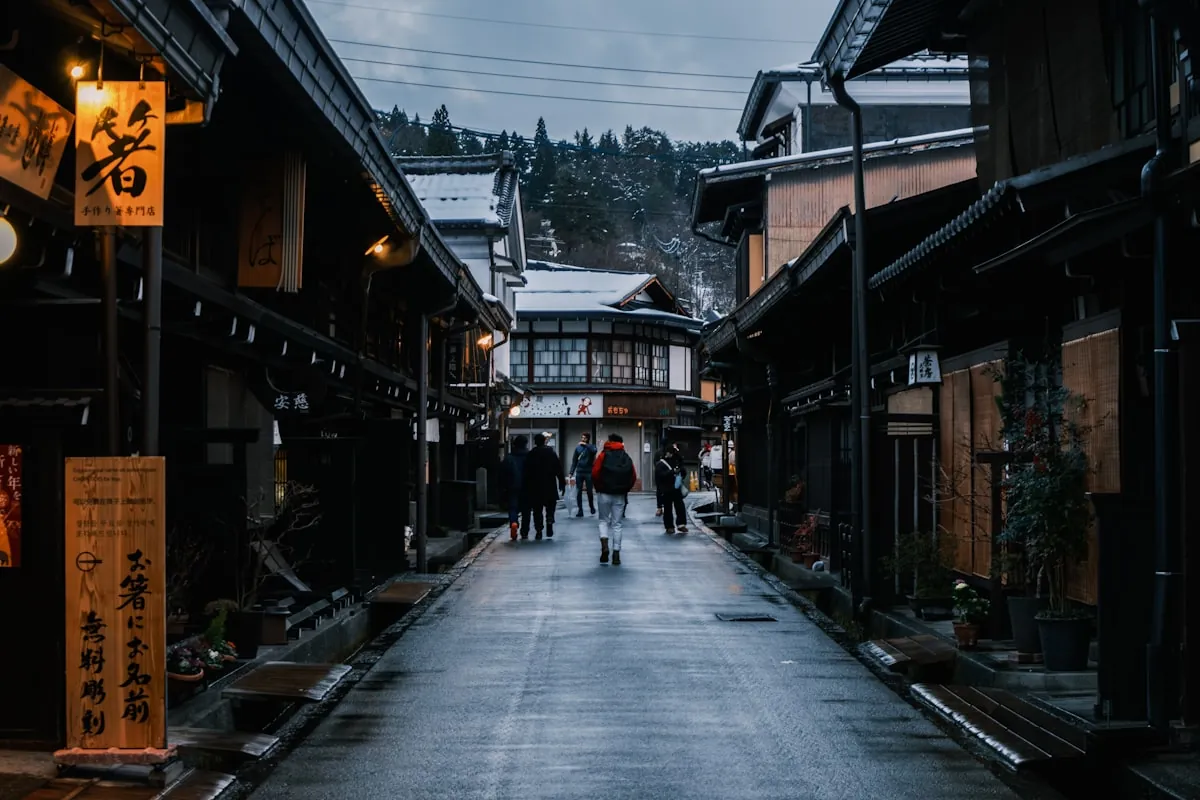
Walk Chuo-dori from Ginza-itchome south to Shimbashi — every flagship in chronological order. The 1932 Wako tower at the central crossing is the silhouette in your photos. Side streets hide the Michelin sushi (Sukiyabashi Jiro is on B1F of an office building near Ginza Station; reservation a year ahead). The Kabukiza theatre on Higashi-Ginza side is the working national kabuki house — single-act tickets ¥1,000–2,500 if you want the experience without committing to four hours.
What to See in Ginza
Five anchors that frame the Ginza walk:
Consider This Instead
For the same Edo-era flagship-walk vibe with more architecture and fewer luxury queues, head to Marunouchi — Tokyo Station’s 1914 brick facade plus Mitsubishi’s polished restaurant streets, 5 min west across Hibiya Park.
How to Get There
Getting There
- 1Take Tokyo Metro Marunouchi Line → Ginza Station
- 1Take Tokyo Metro Marunouchi Line → Ginza Station
Tips
- Sunday Chuo-dori is the move. 12:00–17:00 the avenue closes to cars; bring a coffee and walk it.
- Department-store basements (depachika) for affordable lunch. Mitsukoshi B1 has 50+ stalls of high-end bento ¥800–2,000.
- Kabukiza single-act tickets. Buy day-of at the side window; English audio guide ¥800. 60-90 min experience instead of 4 hours.
- Combine with Tsukiji morning. Walk south 10 min to the outer market for sushi breakfast before Ginza opens.
Adjacent Neighborhoods
Districts on Ginza’s edge:
FAQ
How much time do I need in Ginza?
60–90 minutes for the Chuo-dori walk + Wako tower photo. Half a day with Kabukiza single-act + lunch in a depachika.
Is Ginza affordable?
Free to walk; coffee/sushi/clothes priced 30–50% above Tokyo average. Lunch in depachika basements brings prices to normal.
Best Sunday plan?
12:00 arrive Yurakucho, walk Chuo-dori south as the cars clear, end at Tsukiji 14:00 for a late lunch.