
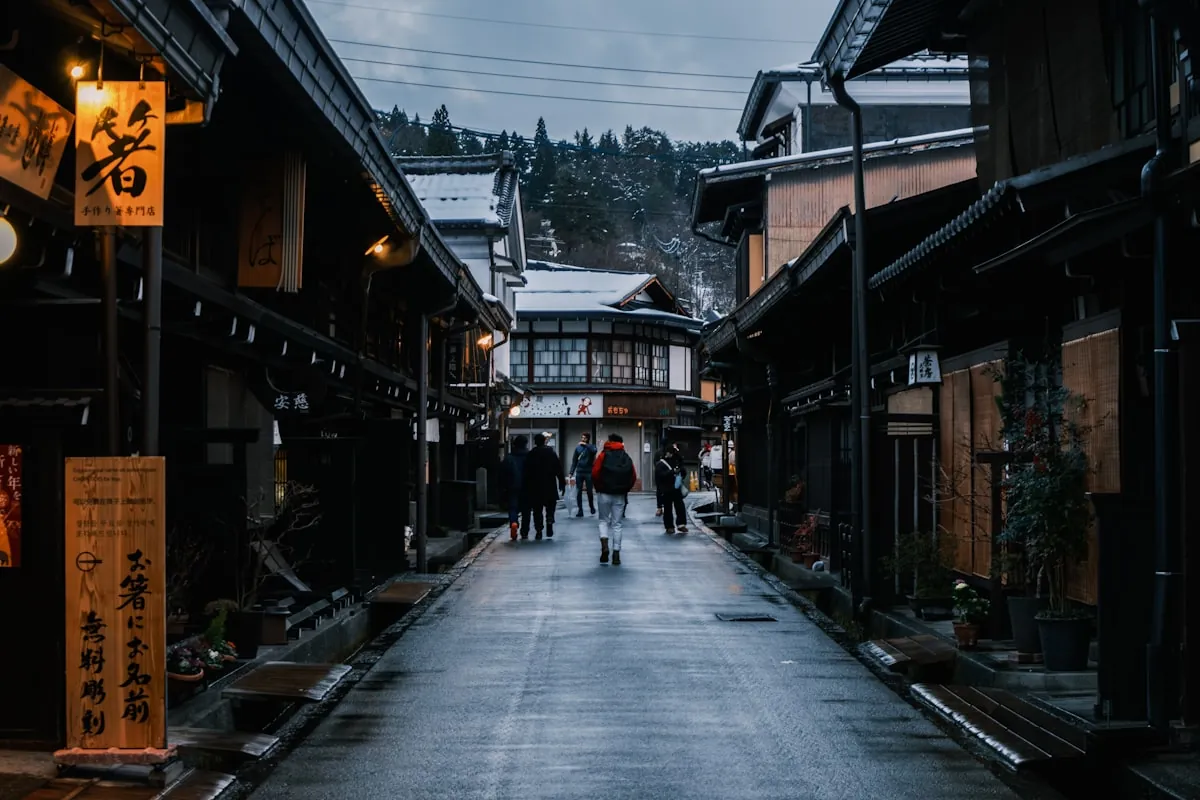

Fukagawa Edo Museum recreates a Tokyo working-class neighbourhood of 1841 in full scale, indoor. Wooden houses (you can enter), a working tofu shop, market stalls, even a vegetable cart. The roof simulates a 24-hour day-night cycle with rain effects. While the bigger Edo-Tokyo Museum is closed for renovation, this is Tokyo’s most-thorough Edo-recreation experience.
What to Expect

Down the stairs, you enter the recreation. Walk the streets, enter the wooden houses (one merchant’s home, one working-class tenement, one tea house), watch the day-night cycle change overhead. The tofu shop is operational; volunteer guides demonstrate. Allow 90 minutes for a full visit.
Consider This Instead
For an Edo Castle ruins context (the actual remains rather than reconstruction), head to Imperial Palace East Gardens.
How to Get There
Getting There
From Tokyo Station
- 1Take Tokyo Metro Hanzomon Line → Kiyosumi-shirakawa Station
- 2Walk to museum → Fukagawa Edo Museum
Tips
- Best Edo museum while Edo-Tokyo is closed. Until 2026 renovation finishes, this is the recreation pilgrimage.
- Combine with Kiyosumi Garden. 5 min walk; Edo museum + Edo garden = full-half-day theme.
- English audio guide ¥200. Worth it for context on the buildings.
FAQ
Better than Edo-Tokyo Museum (when open)?
Smaller scale, more thorough single-recreation. Edo-Tokyo has a half-Nihonbashi-bridge, more breadth. Both worth visiting.
Photography allowed?
Yes everywhere; flash off near the volunteers.


