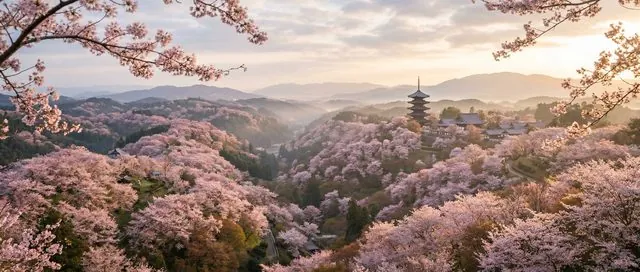
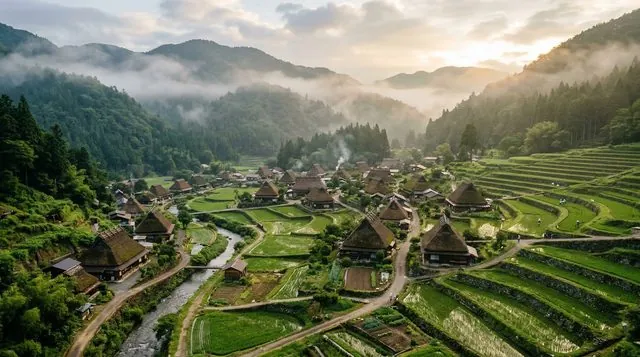
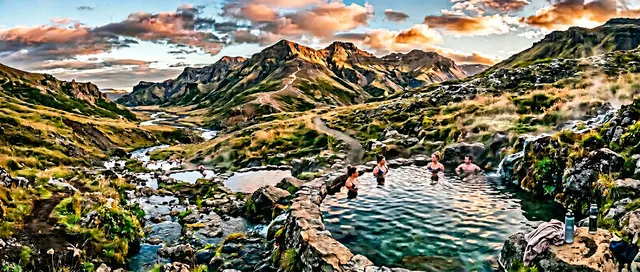
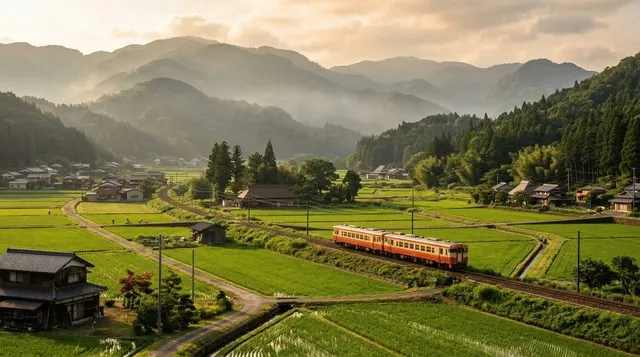
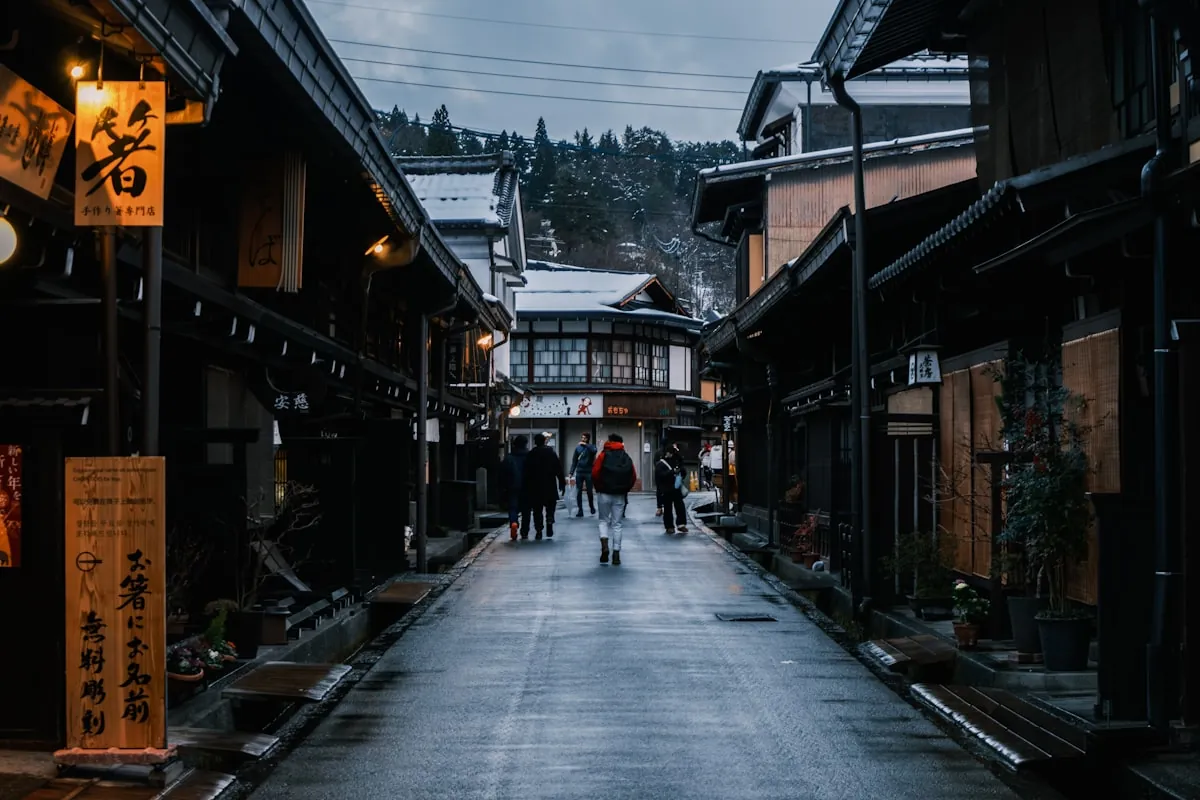
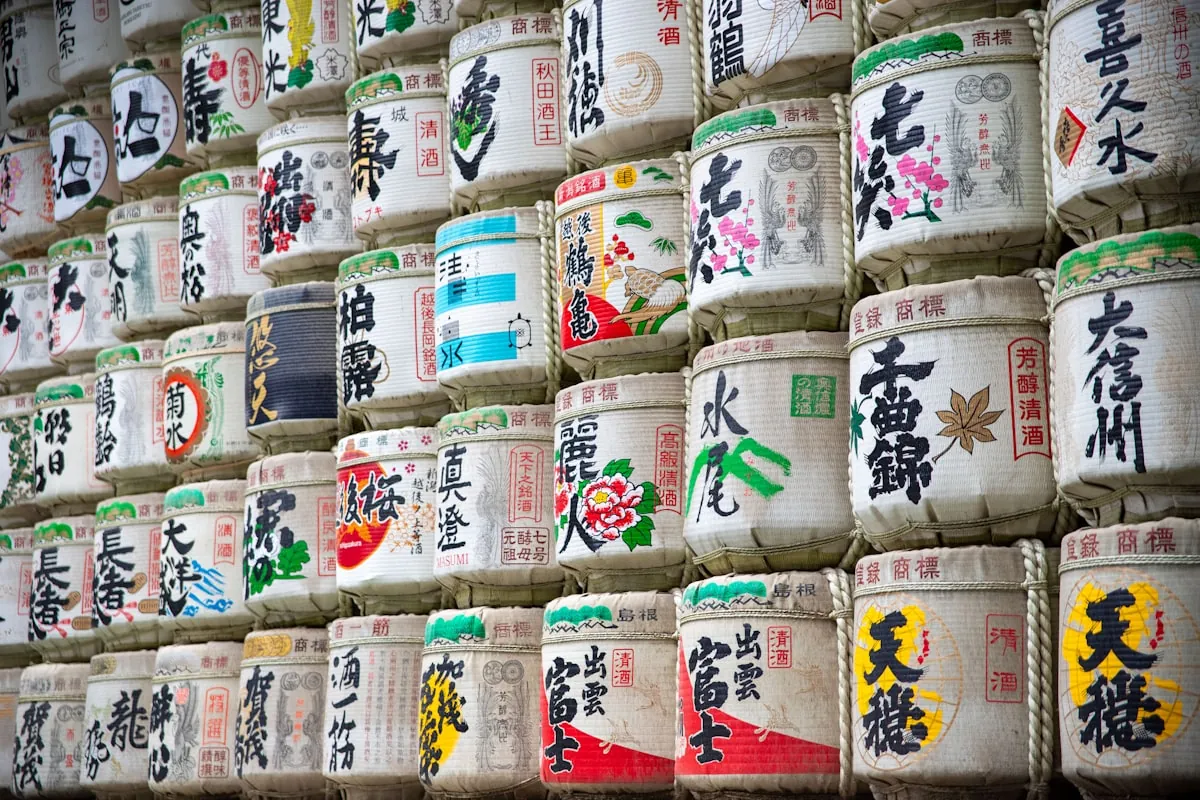
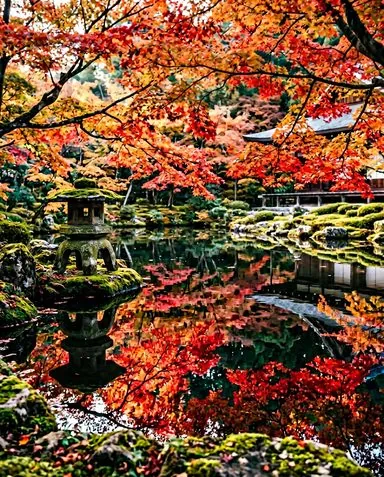

Fukushima is Japan's third-largest prefecture and one of its most diverse — coastal Hama-dori on the Pacific, the central Naka-dori plain along the shinkansen corridor, and the snowy Aizu mountains in the west. The headline sights are Tsurugajo Castle at Aizu-Wakamatsu, the alpine wetland of Oze National Park, Japan's fourth-largest lake at Lake Inawashiro, the perfectly preserved thatched-roof post town of Ouchi-juku, and the ramen-dense Edo merchant town of Kitakata.
Cities & Towns
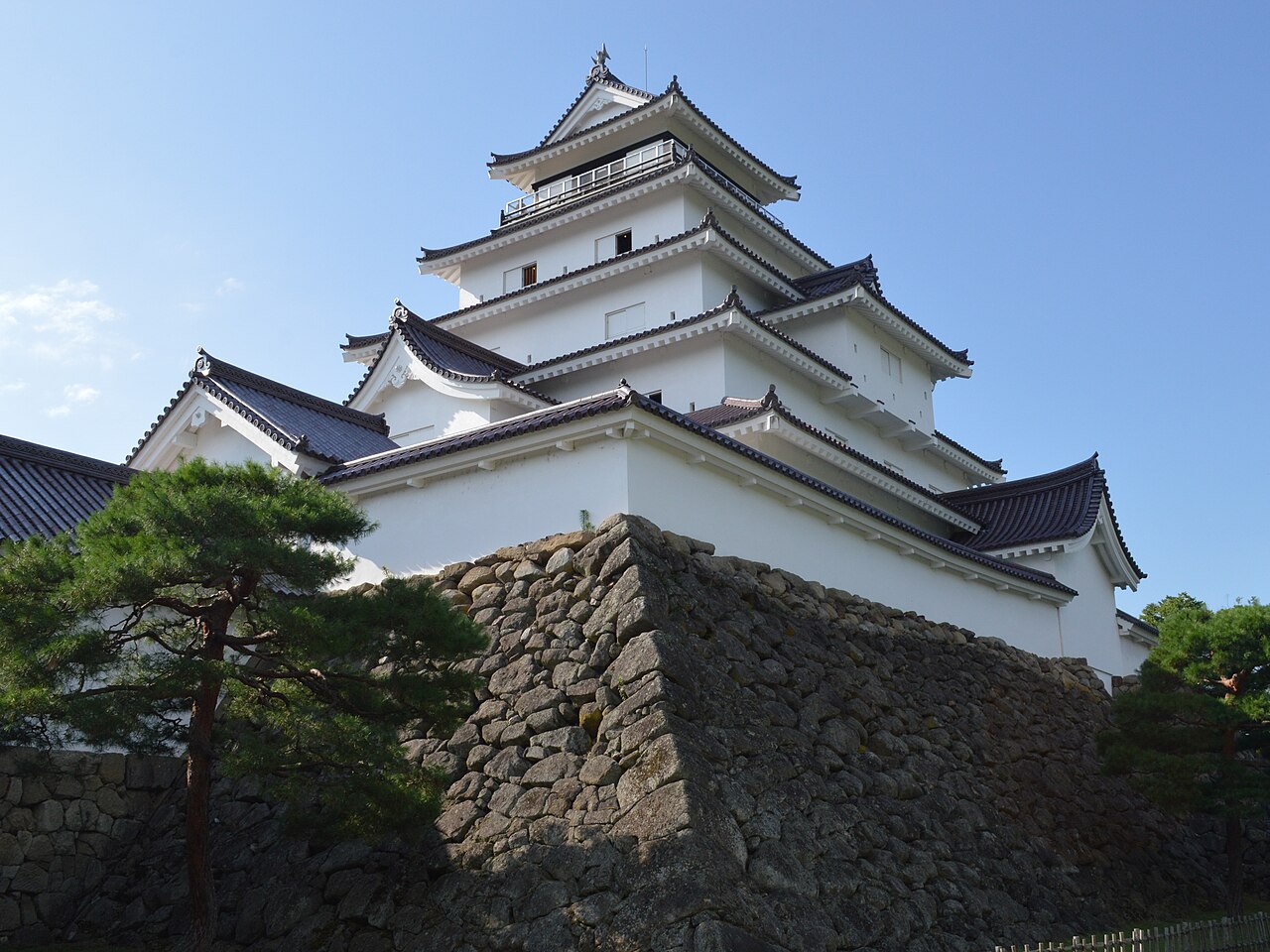
Aizu-Wakamatsu
Samurai castle town in the Aizu mountains — Tsurugajo with its red tiled roof, Byakkotai memorial, and Higashiyama Onsen
Samurai castle town
- Tsurugajo Castle
- Byakkotai memorial
- Aizu samurai history
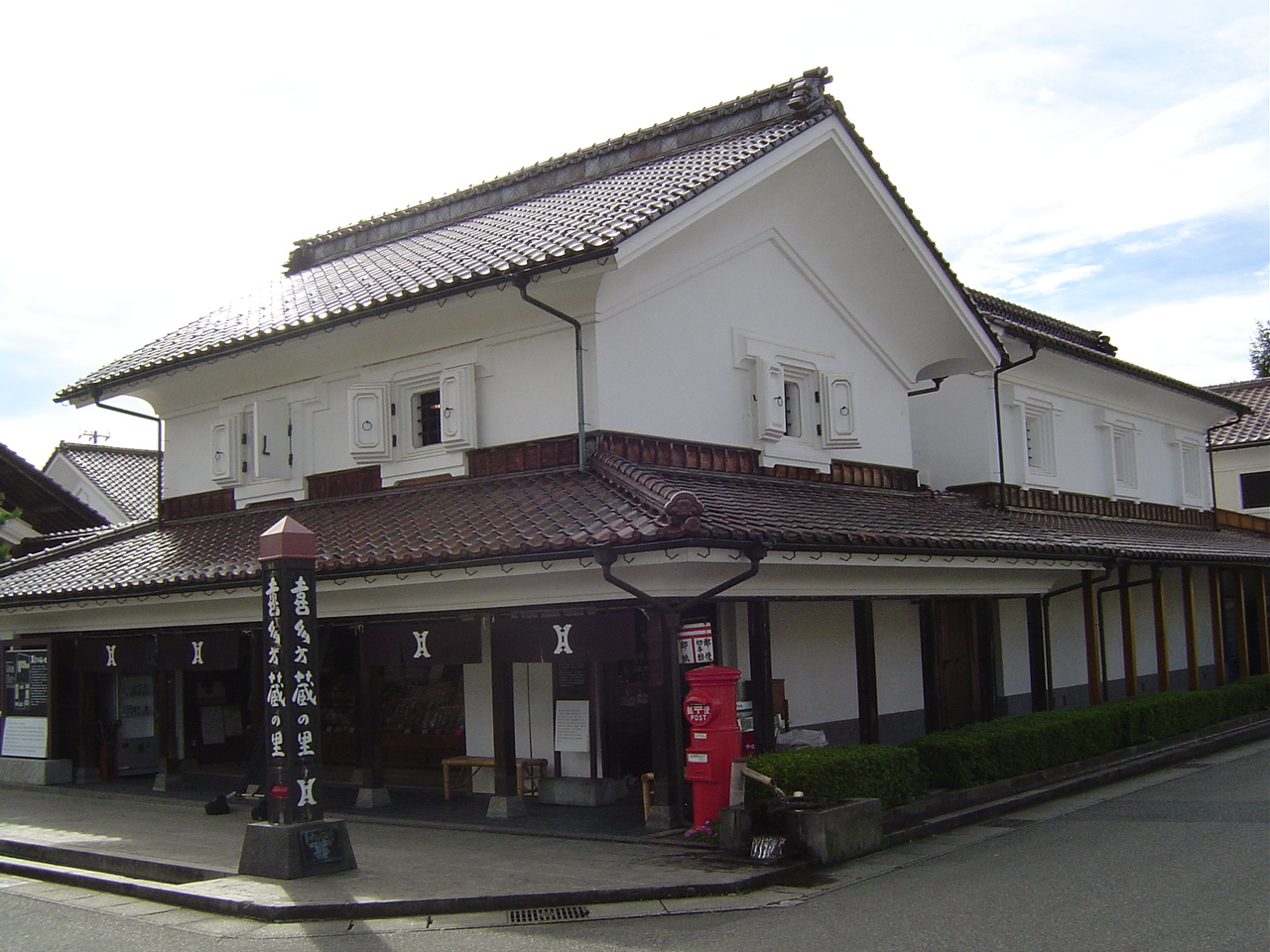
Kitakata
Edo merchant town with 4,000 traditional black-walled storehouses (kura) and over 100 ramen shops — Japan's ramen capital per capita
Ramen and storehouse town
- 4,000 kura warehouses
- 100+ ramen shops
- Edo merchant streets
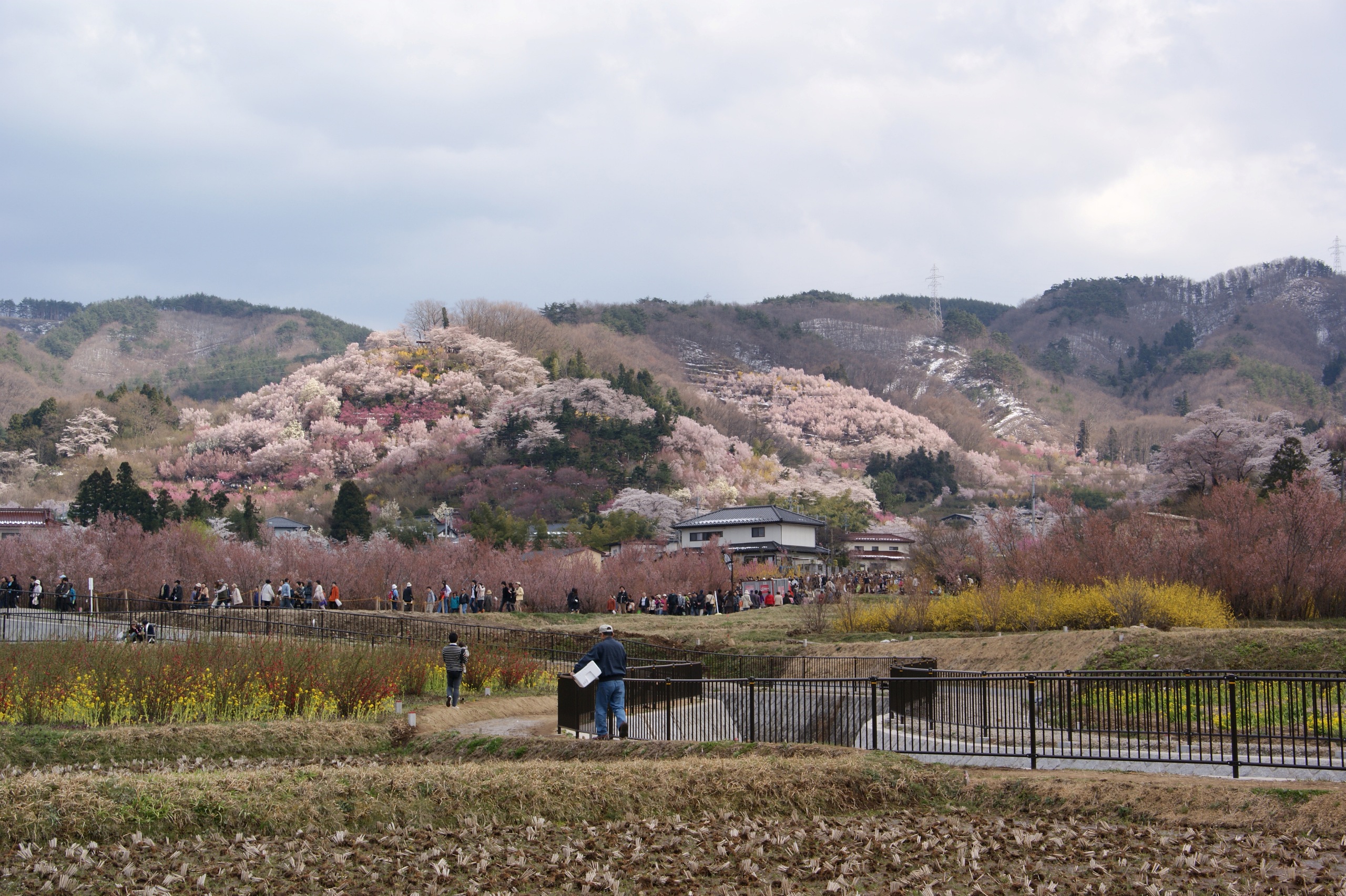
Fukushima City
Capital — fruit-growing prefecture, Hanamiyama Park's spring blossoms, and the gateway to Aizu via the Tadami Line scenic railway
Capital and fruit city
- Hanamiyama Park
- Iizaka Onsen
- Fruit orchards
Top Attractions
Tsurugajo Castle
Reconstructed castle of Aizu-Wakamatsu — the only Japanese castle with a red-tiled roof, scene of the 1868 Boshin War siege
Red-tiled-roof castle
- Red tile roof
- Boshin War siege
- Cherry blossom moat
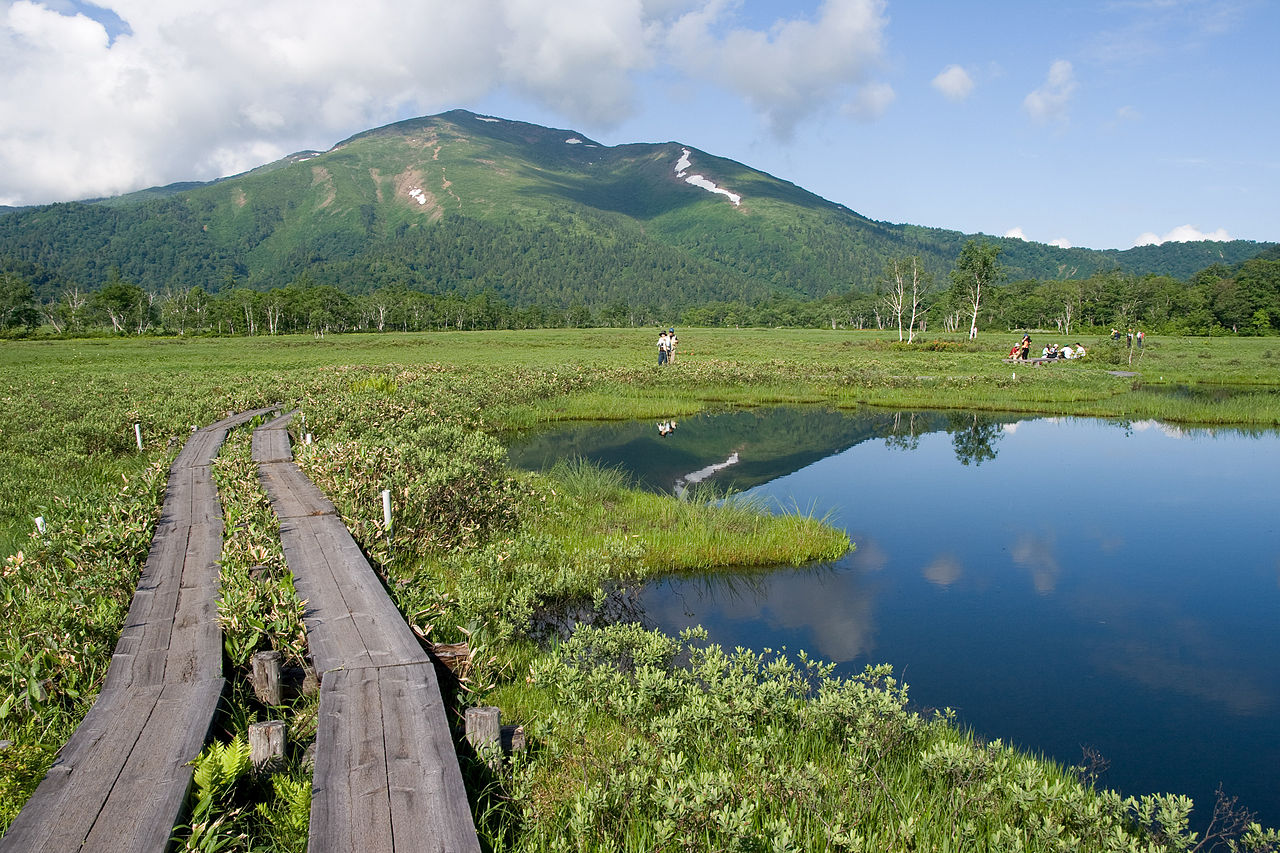
Oze National Park
1,400m alpine wetland straddling Fukushima, Niigata, Gunma, and Tochigi — boardwalk trails through skunk-cabbage marshes peak in late May
Alpine wetland park
- Wetland boardwalks
- Skunk cabbage May
- Mt Hiuchigatake
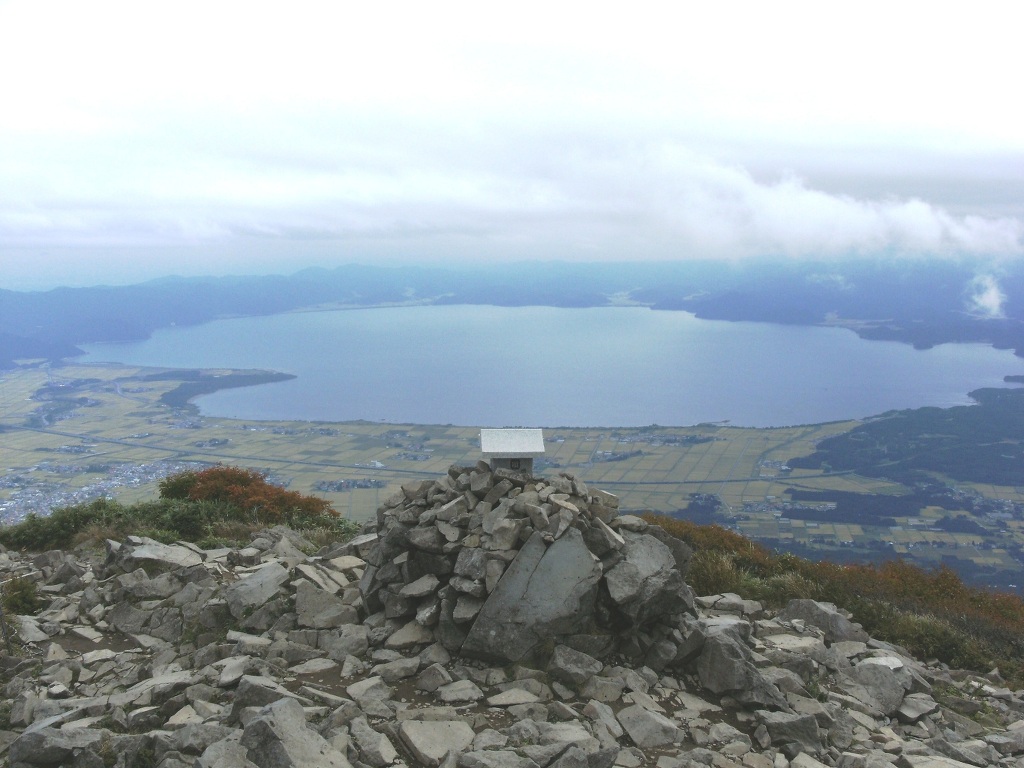
Lake Inawashiro
Japan's fourth-largest lake, with Mt Bandai rising above its north shore — clear water with swans on winter ice
Lake with Mt Bandai
- 4th-largest lake
- Mt Bandai backdrop
- Winter swans
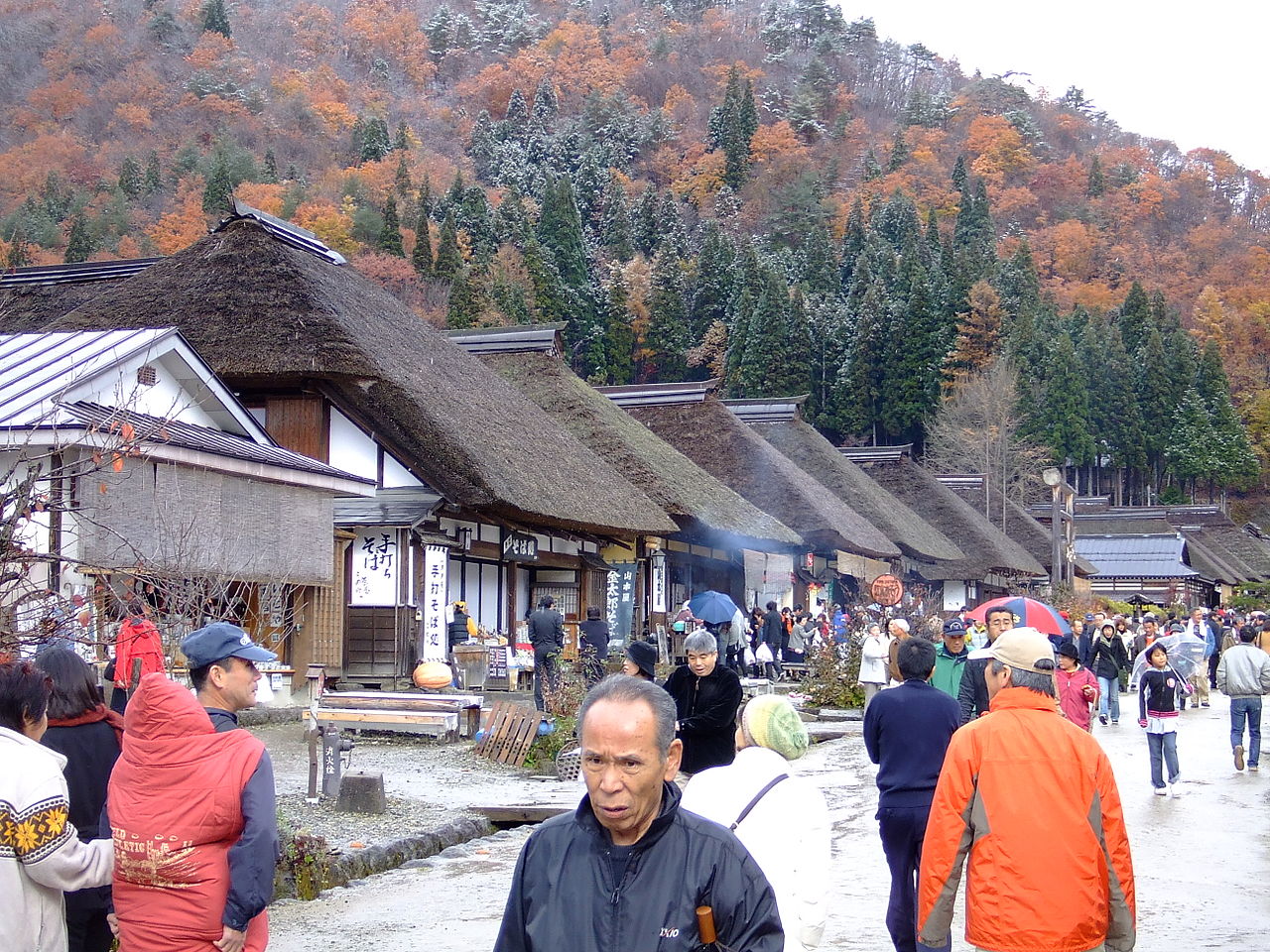
Ouchi-juku
Edo-period post town frozen in time — 30 thatched-roof houses on a single street, fame for negi-soba (eaten with a leek instead of chopsticks)
Thatched post town
- 30 thatched houses
- Negi-soba (leek-as-chopstick)
- Snow festival February
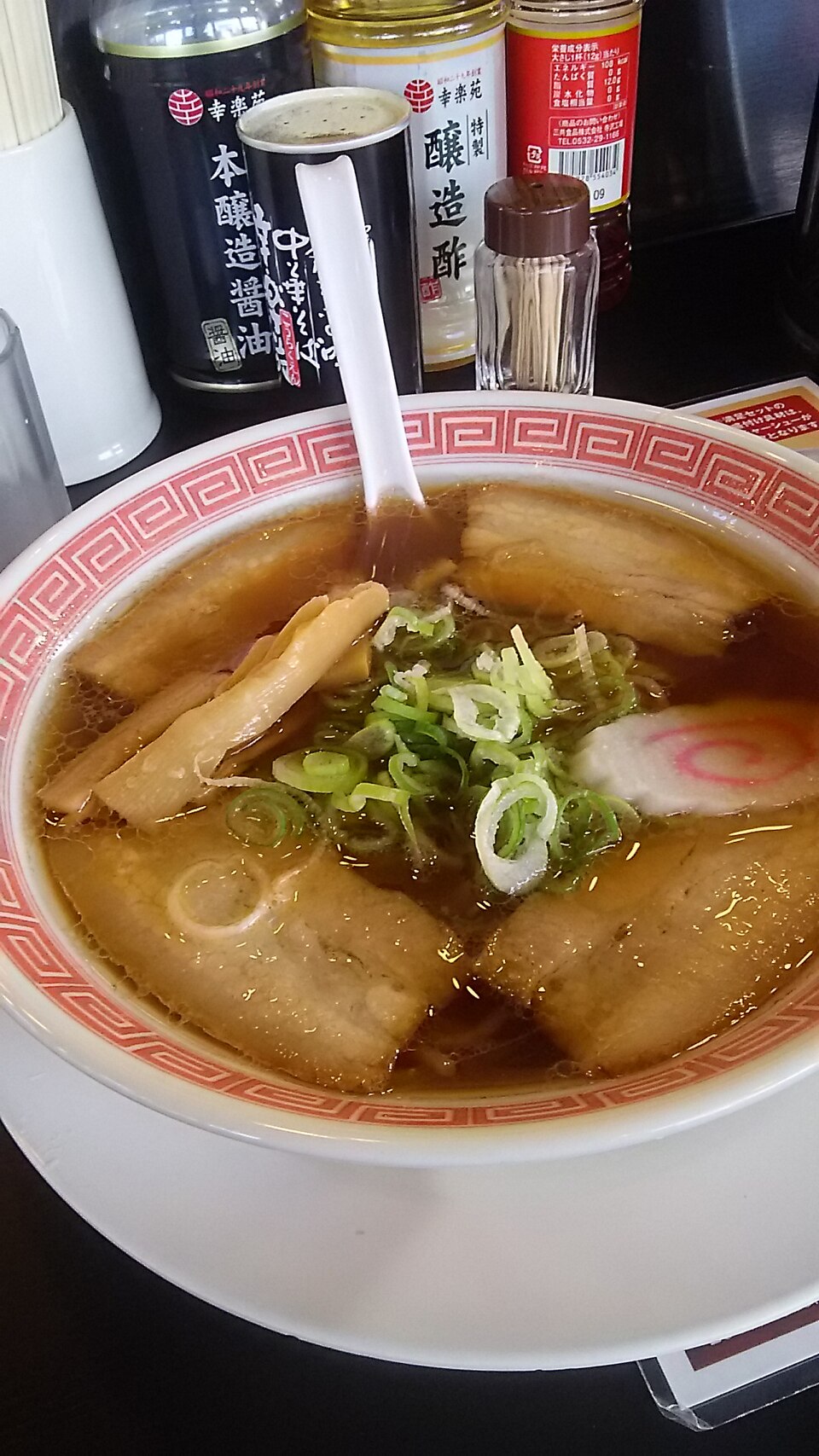
Kitakata
100+ ramen shops in a 5km² area — Japan's ramen capital, with a soy-sauce-and-pork-bone broth and curly noodles unique to the town
Ramen capital town
- 100+ ramen shops
- Curly Kitakata noodles
- Black-walled kura
Hidden Gems
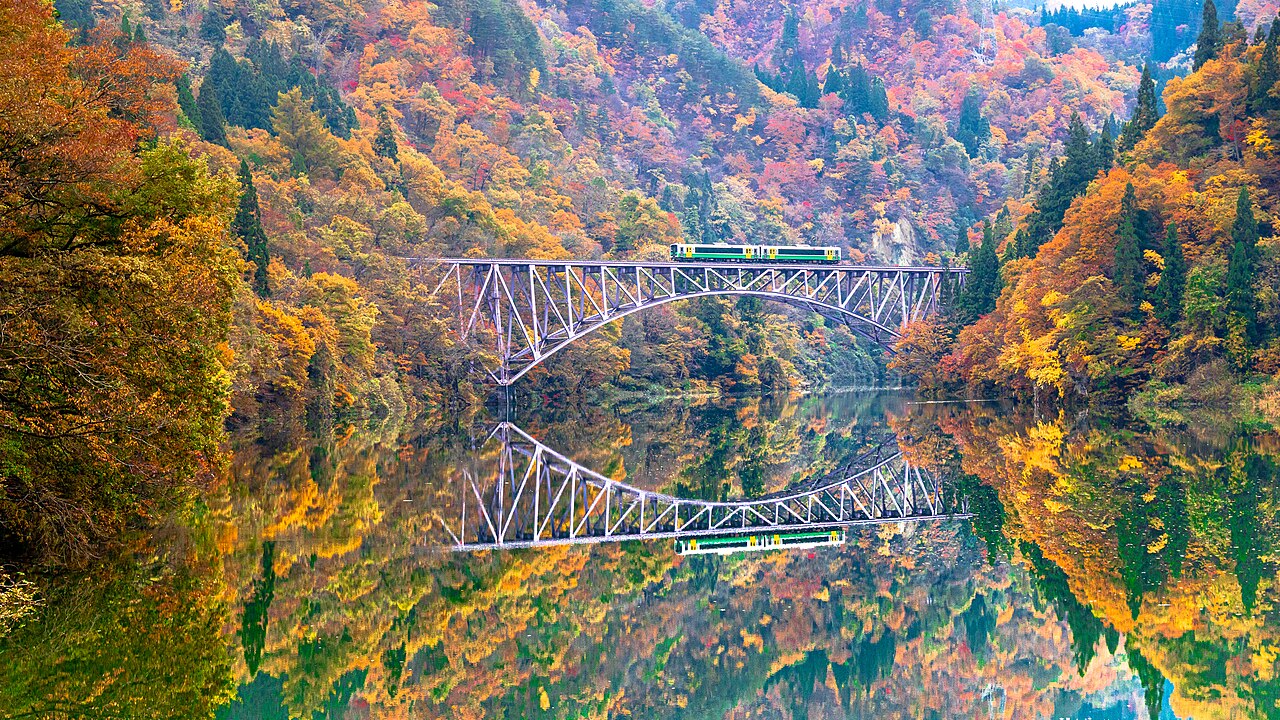
Tadami Line
Scenic local railway between Aizu-Wakamatsu and Niigata's Koide — one of Japan's most beautiful train rides through snowy gorges and stone-arch bridges
Heritage scenic railway
- 135km route
- First Tadami Bridge view
- Snow scenery
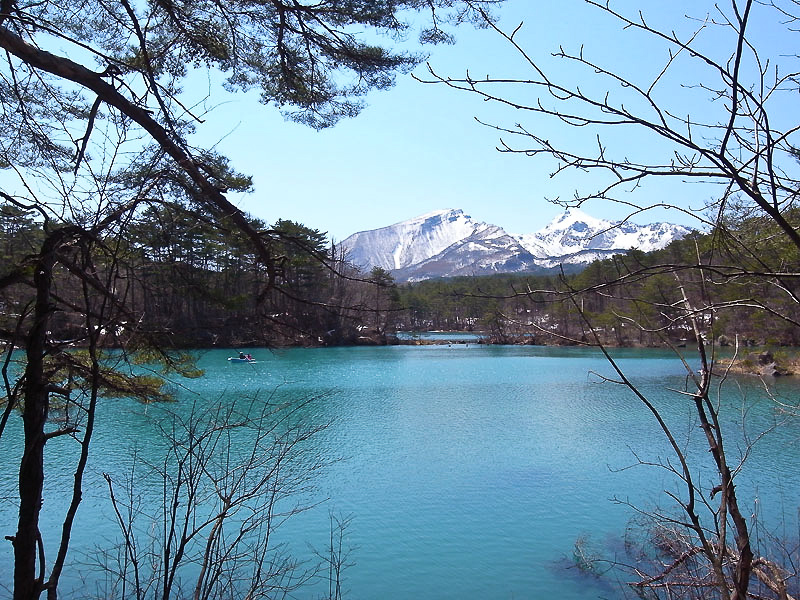
Goshikinuma Five-Coloured Lakes
Volcanic ponds at the foot of Mt Bandai — each pond a different mineral colour (turquoise, emerald, cobalt, ruby, brown)
Five mineral-colour ponds
- Five colour ponds
- Mt Bandai foothills
- 1.5km walking trail
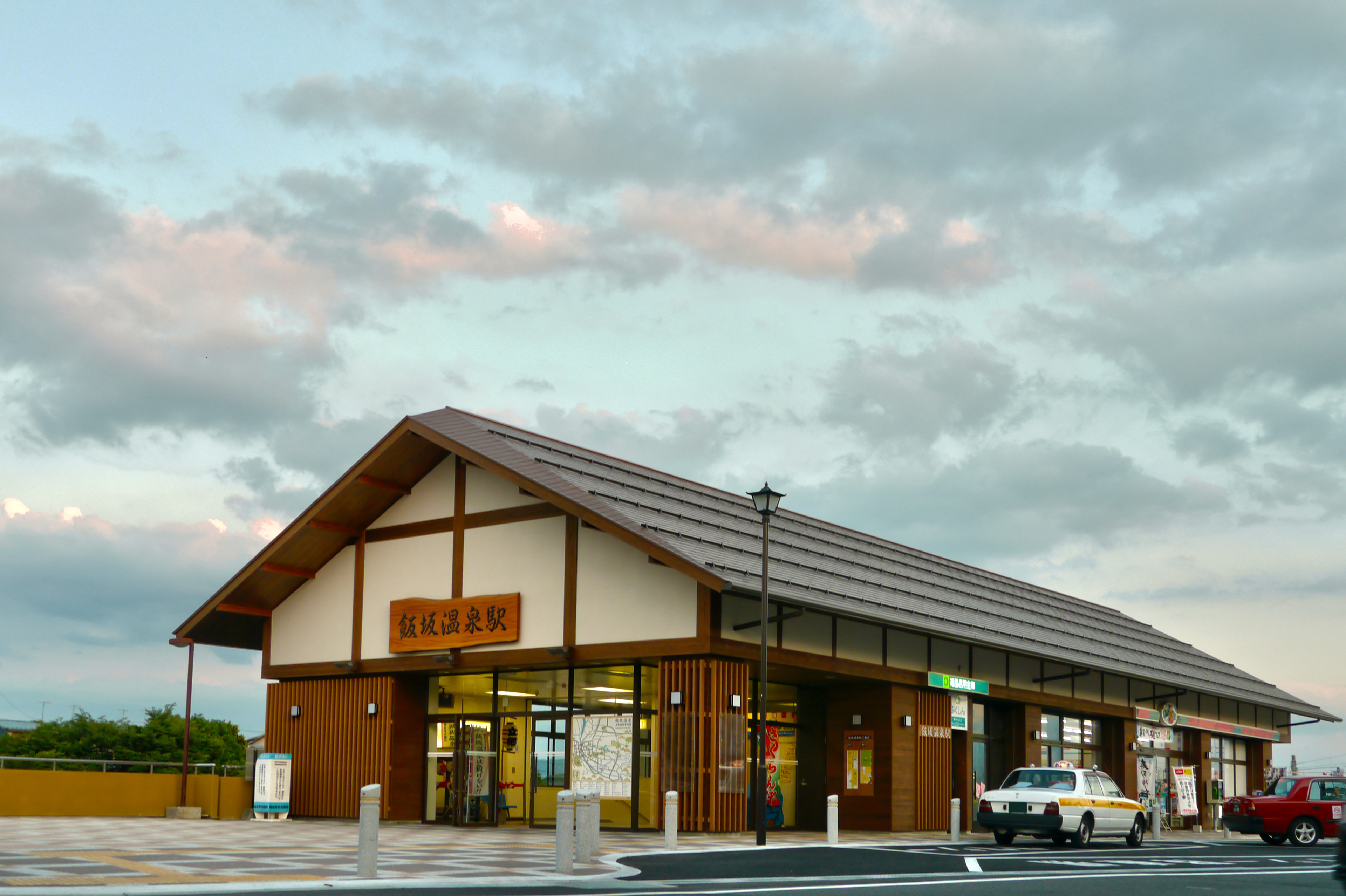
Iizaka Onsen
Quiet 9th-century hot-spring town in Fukushima City — visited by Bashō in 1689 and home to one of the oldest public bathhouses in northern Japan
9th-century onsen town
- 1,200-year history
- Bashō visit 1689
- Sabako-yu bathhouse
When to Visit
Springharu
Apr – May5–18°CHigh crowds
Springharu
- Cherry blossoms at Tsurugajo Castle late April
- Hanamiyama Park spring colour explosion
- Skunk cabbage at Oze late May
- Snow lingers in Aizu mountains
Summernatsu
Jun – Aug18–28°CHigh crowds
Summernatsu
- Oze wetland boardwalks at peak
- Lake Inawashiro swimming and SUP
- Cool retreats in Mt Bandai
- Aizu Festival in late September
Autumnaki
Sep – Nov5–20°CHigh crowds
Autumnaki
- Foliage at Goshikinuma late October
- First Tadami Bridge view at peak colour
- Kitakata sake brewery tours
- Persimmons hung outside Aizu farms
Winterfuyu
Dec – Mar-3 to 6°CModerate crowds
Winterfuyu
- Ouchi-juku Snow Festival mid-February
- Tsurugajo in snow
- Tadami Line in winter scenery
- Skiing at Mt Bandai
Suggested Itineraries
FAQ
Is Fukushima safe to visit?
Yes — radiation levels in Fukushima City, Aizu, Kitakata, and the rest of the prefecture are normal background. The 2011 Daiichi exclusion zone is a small coastal area still off-limits. Most of Fukushima Prefecture is unaffected and has been welcoming travellers since 2012.
How do I get to Fukushima from Tokyo?
Tohoku Shinkansen Yamabiko direct from Tokyo to Fukushima Station in 90 minutes. Aizu-Wakamatsu via Koriyama (transfer to JR Banetsu West Line) takes 2.5 hours total. Tadami Line continues from Aizu-Wakamatsu west.
What is Fukushima best known for?
Tsurugajo Castle's red roof at Aizu, the Boshin War samurai history, Kitakata ramen, the Ouchi-juku thatched post town, Mt Bandai, and Lake Inawashiro. Plus the prefecture is Japan's largest fruit-producer (peaches especially).
How many days do I need in Fukushima?
Two days for Aizu-Wakamatsu and Kitakata. Three days adds Ouchi-juku and Lake Inawashiro. Five days lets you reach Oze National Park or the coastal Hama-dori.
Is the Tadami Line worth riding?
Yes — particularly for the First Tadami Bridge crossing (Daiichi Tadami-gawa Kyoryo) seen from a roadside viewpoint. The full Aizu-to-Niigata route is 5 hours; many travellers do the scenic central section as a half-day excursion.
What are Fukushima's hidden gems?
The five-coloured volcanic ponds at Goshikinuma, the 1,200-year-old Iizaka Onsen visited by Bashō, and the Tadami Line scenic railway through snowy gorges and stone-arch bridges.
What surrounds the headline spots?
Beyond the obvious draws, Goshikinuma (Five-Colored Lakes), Shiramizu Amidado, Yunokami Onsen, Miharu Takizakura, Buke Yashiki reward travelers willing to step off the main route — local pace, fewer crowds, and a closer feel for the everyday rhythms of the region.