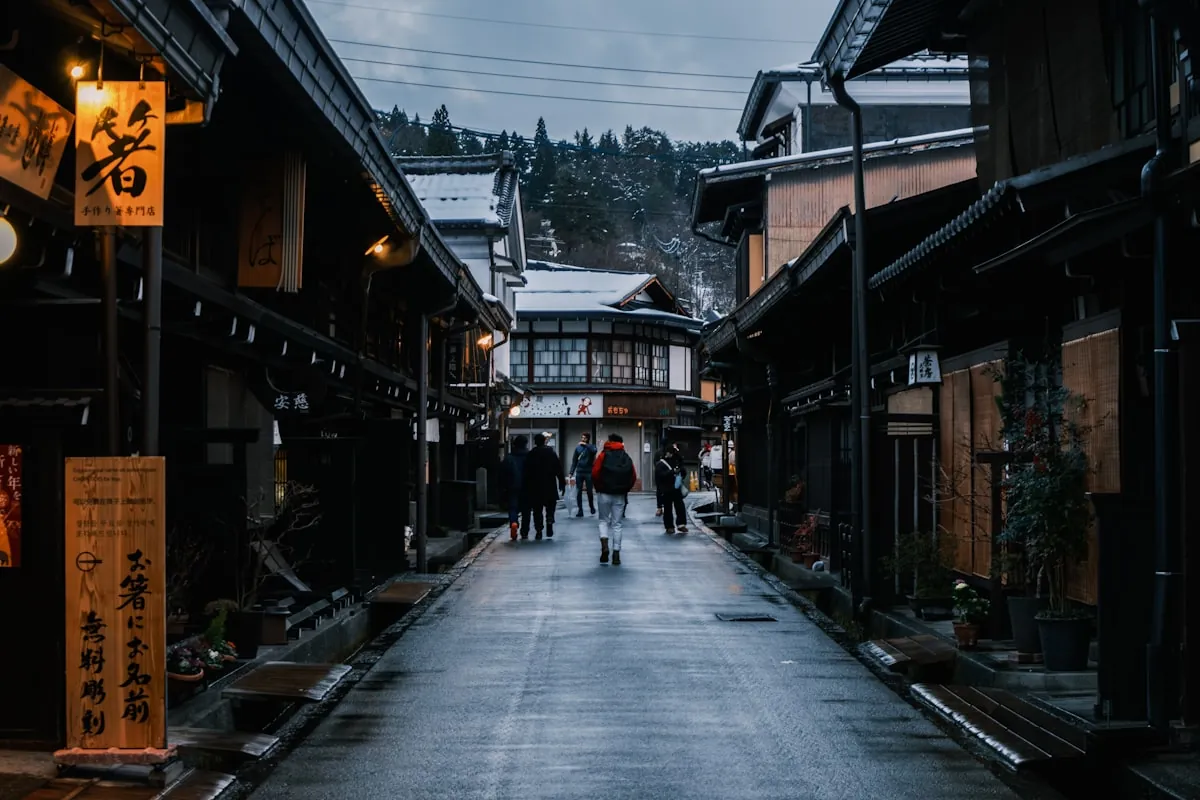
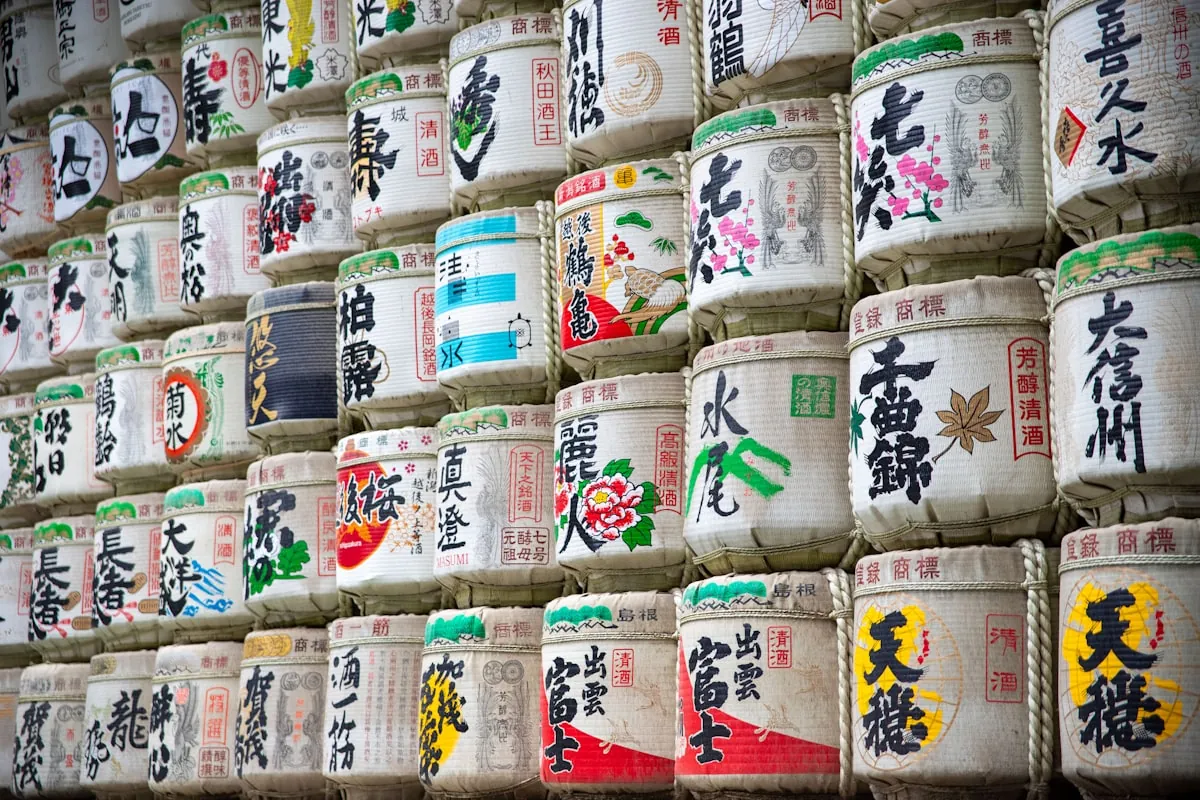
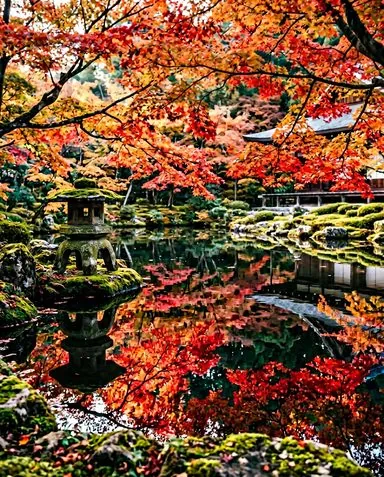

Akita is one of Japan's quietest prefectures — Tohoku at its most rural and snow-bound. The headline draws are Kakunodate's preserved samurai-residence street, the deep blue caldera Lake Tazawa (Japan's deepest lake), the Namahage-demon culture of the Oga Peninsula, the artifact-packed Oga Shinzan Folklore Museum, and the remote bear-and-beech wilderness of Ani.
Cities & Towns
Akita City
Capital — Senshu Park castle ruins, Kanto Festival in early August, and Akita-Inu dog museum
Capital and festival city
- Kanto Festival Aug 3-6
- Senshu Park
- Akita-Inu Museum
Kakunodate
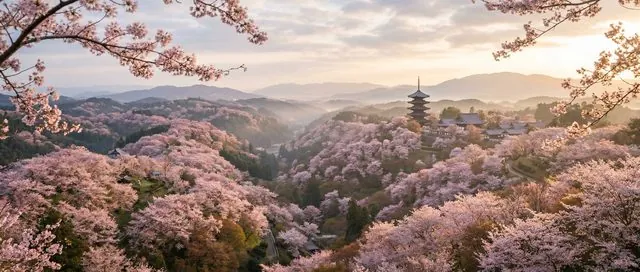
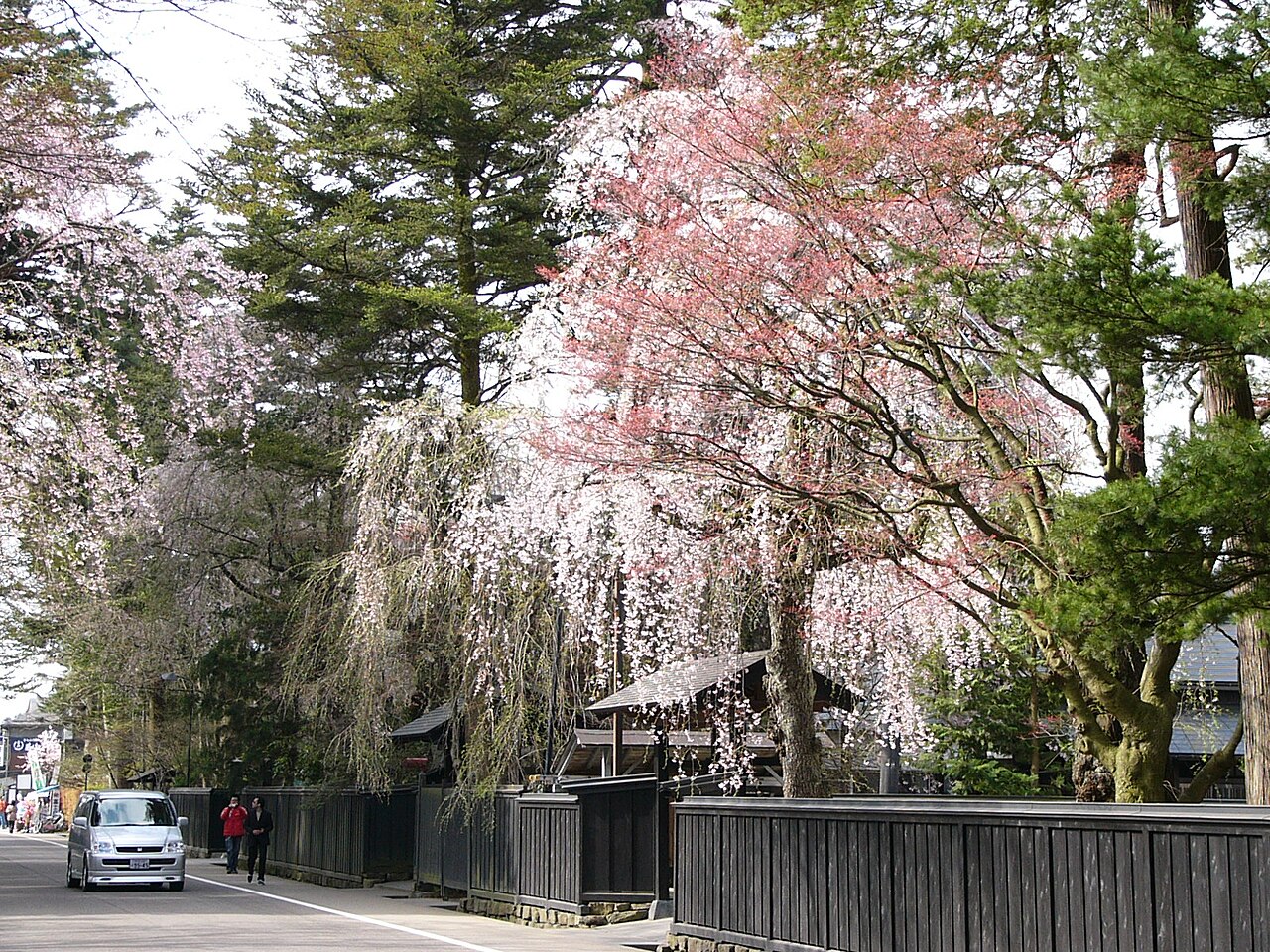
Samurai-residence street perfectly preserved since 1620 — weeping cherries lining the street ranked one of Japan's three great cherry-blossom spots
Samurai street + weeping cherries
- Samurai street 1620
- Weeping cherries
- Kabazaiku crafts
Oga
Volcanic peninsula on the Sea of Japan coast — home of the Namahage demon folk-rite and the Oga Aquarium
Namahage demon peninsula
- Namahage New Year rite
- Volcanic coastline
- Oga Aquarium
Top Attractions
Lake Tazawa
Japan's deepest lake (423m) — emerald-blue circular caldera with the gilded statue of Tatsuko on its shore
Japan's deepest lake
- 423m deep
- Emerald caldera
- Golden Tatsuko statue
Kakunodate
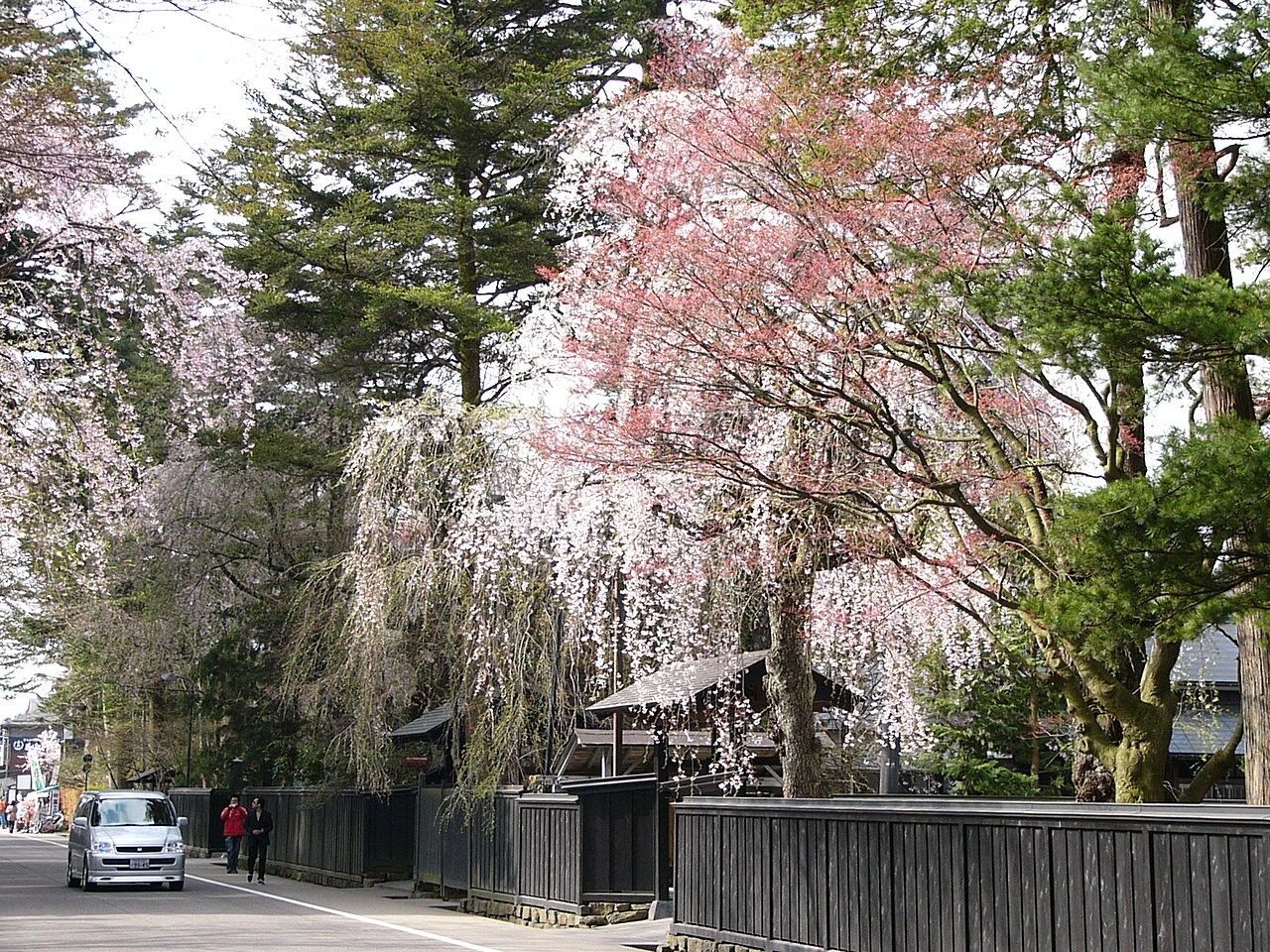
Edo-period samurai-residence street with original buildings — six bukeyashiki houses are open as museums, and the weeping-cherry tunnel is one of Japan's three great hanami spots
Samurai-cherry street
- 6 bukeyashiki houses
- Weeping cherries
- Top-3 hanami
Oga Peninsula
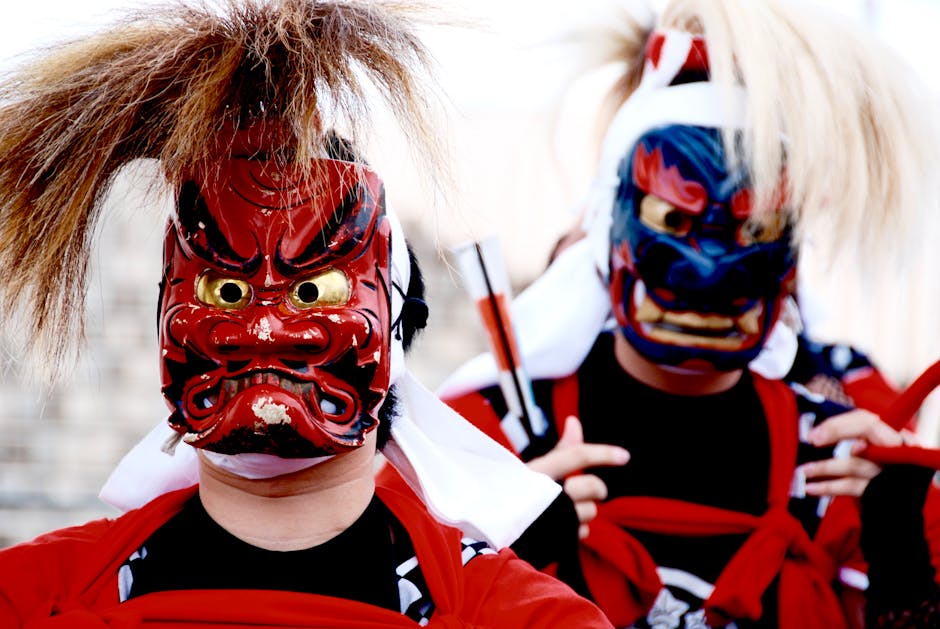
Volcanic peninsula with Namahage demon folklore — visiting demons in straw costumes terrify children at New Year, with sea cliffs and aquarium
Namahage demon coast
- Namahage demons
- Volcanic cliffs
- Oga Aquarium
Oga Shinzan Folklore Museum
Live-action Namahage shows and folk-tools collection — the demon-rite enacted four times daily inside a thatched magariya farmhouse
Namahage folklore museum
- Live Namahage performance
- Magariya building
- Folk tools collection
Hidden Gems
Ani
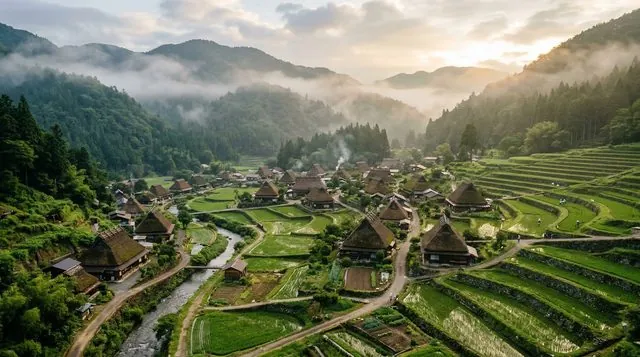
Remote mountain region in northern Akita — beech forests, Matagi bear-hunting culture, and Akita's quietest hot-spring valleys
Bear-hunter beech forest
- Beech forest
- Matagi bear-hunters
- Quiet onsen valleys
Nyuto Onsen
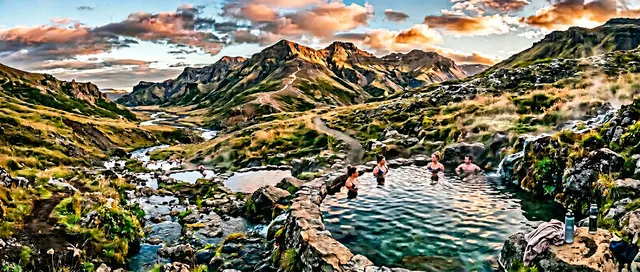
Cluster of seven mountain ryokan in a beech valley near Lake Tazawa — milky-white sulphur baths and traditional kaiseki dinners
Seven-ryokan onsen valley
- Milky-white sulphur
- Seven historic ryokan
- Beech valley
Yokote Kamakura Festival
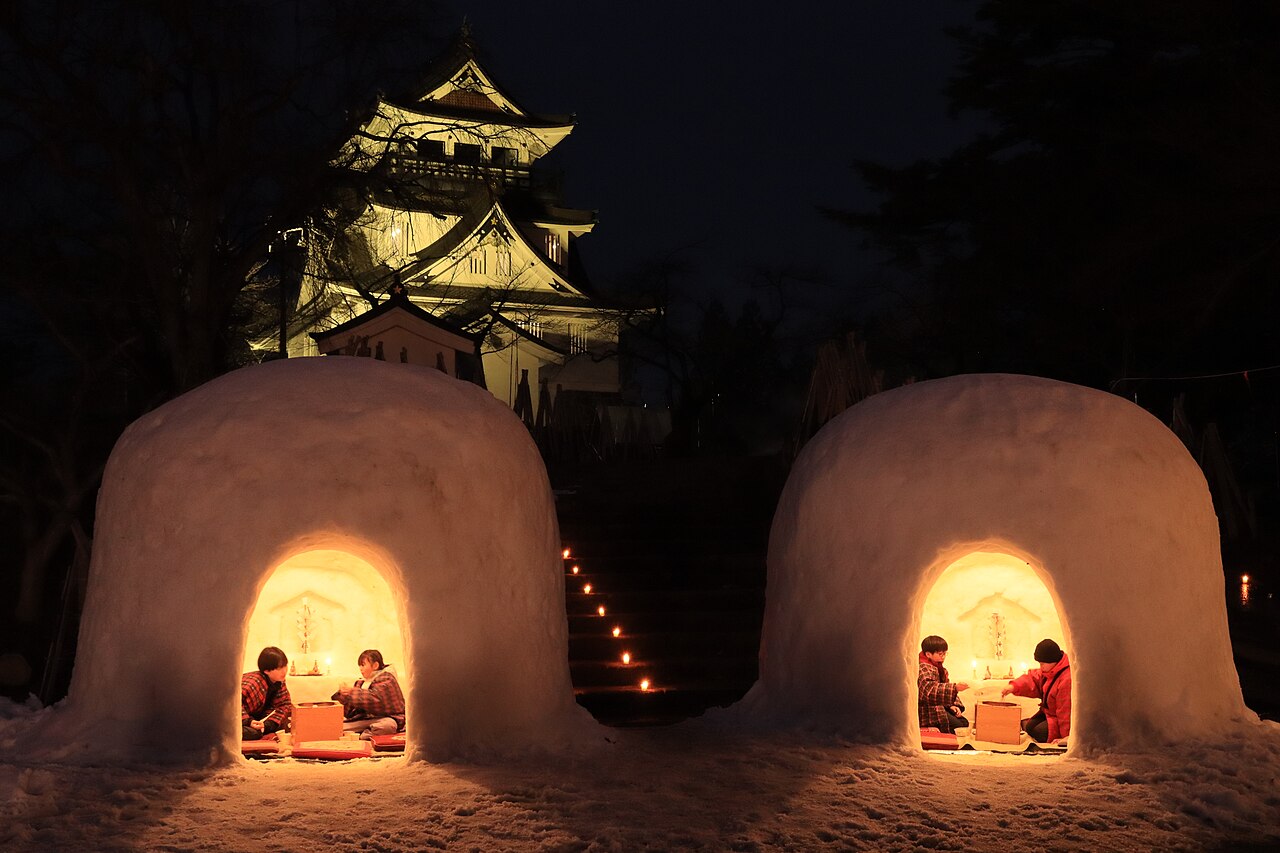
February folk festival of glowing snow igloos with children inside serving hot rice cakes — one of Tohoku's signature winter events
Snow-igloo festival
- Glowing snow igloos
- Children serving sweets
- Mid-February
When to Visit
Springharu
Apr – May5–18°CHigh crowds
Springharu
- Kakunodate weeping cherries late April
- Snow melts in Lake Tazawa caldera
- Quiet samurai street in early April
- Milder coastal Oga
Summernatsu
Jun – Aug18–28°CHigh crowds
Summernatsu
- Akita Kanto Festival August 3-6
- Lake Tazawa swimming
- Mild Ani forests
- Oga seafood season
Autumnaki
Sep – Nov5–20°CModerate crowds
Autumnaki
- Foliage in Ani and Nyuto Onsen mid to late October
- Tazawa caldera reflections
- Comfortable Kakunodate walks
- Hatahata fish season starts
Winterfuyu
Dec – Mar-3 to 5°CModerate crowds
Winterfuyu
- Yokote Kamakura Festival mid-February
- Namahage demon home visits New Year
- Skiing at Tazawa-ko
- Snow-clad Nyuto Onsen baths
Suggested Itineraries
FAQ
How do I get to Akita from Tokyo?
Akita Shinkansen Komachi direct from Tokyo to Akita Station in 4 hours. Kakunodate is 2.5 hours; Lake Tazawa is 3 hours. Domestic flights to Akita Airport (1 hour from Tokyo Haneda) connect by bus.
When are Kakunodate's cherry blossoms?
Late April — typically 25 April to 5 May, peaking around Golden Week. Both the samurai-street weeping cherries (shidare-zakura) and the riverside Hinokinai-gawa park cherries are top-100 hanami spots.
What is Akita best known for?
Kakunodate's samurai street weeping cherries, Lake Tazawa (Japan's deepest), the Namahage demon culture of Oga, the Yokote kamakura snow igloos, the Akita-Inu dog breed, and kiritanpo rice cake hotpot.
How many days do I need in Akita?
Two days for Akita City, Kakunodate, and Lake Tazawa. Three days adds Oga Peninsula. Five days lets you reach Ani's beech forests or stay overnight in Nyuto Onsen.
Are the Namahage demons child-friendly?
The live-show at Oga Shinzan Folklore Museum is staged for tourists — dramatic but safe. Real New Year home visits in remote Oga villages are intentionally terrifying for children (the cultural rite teaches obedience).
What are Akita's hidden gems?
Nyuto Onsen's seven historic ryokan in the beech valley near Lake Tazawa, the remote Matagi-bear-hunter culture of Ani, and the February kamakura snow-igloo festival in Yokote.
What surrounds the headline spots?
Beyond the obvious draws, Kakunodate Samurai District, Namahage Museum, Tsuru-no-Yu, Shirakami-Sanchi reward travelers willing to step off the main route — local pace, fewer crowds, and a closer feel for the everyday rhythms of the region.