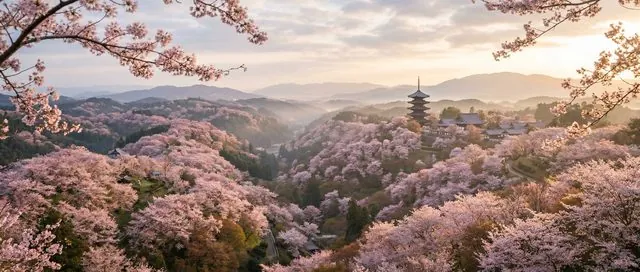
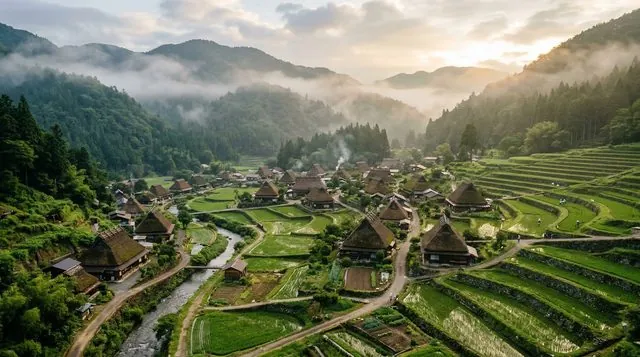
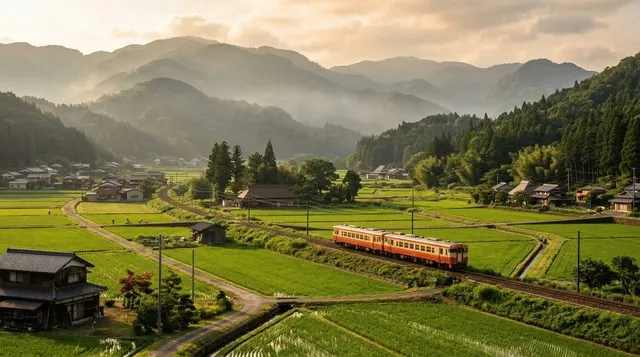
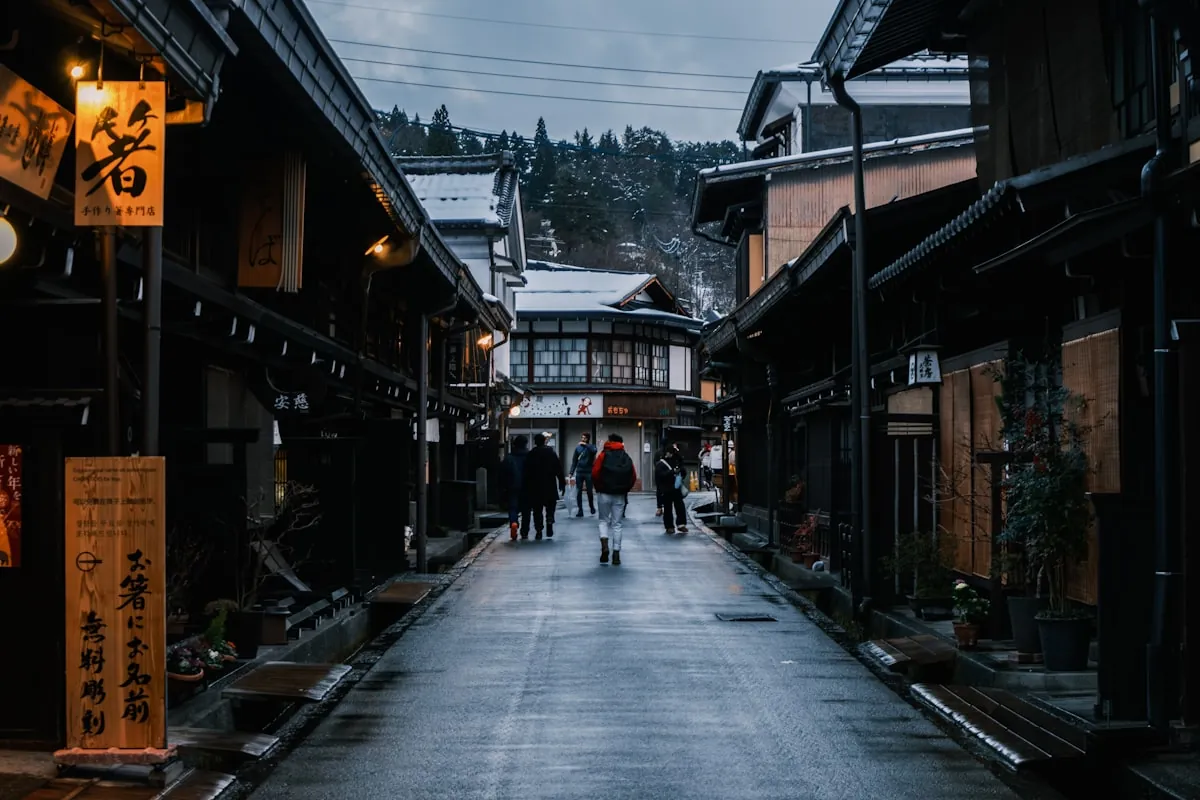
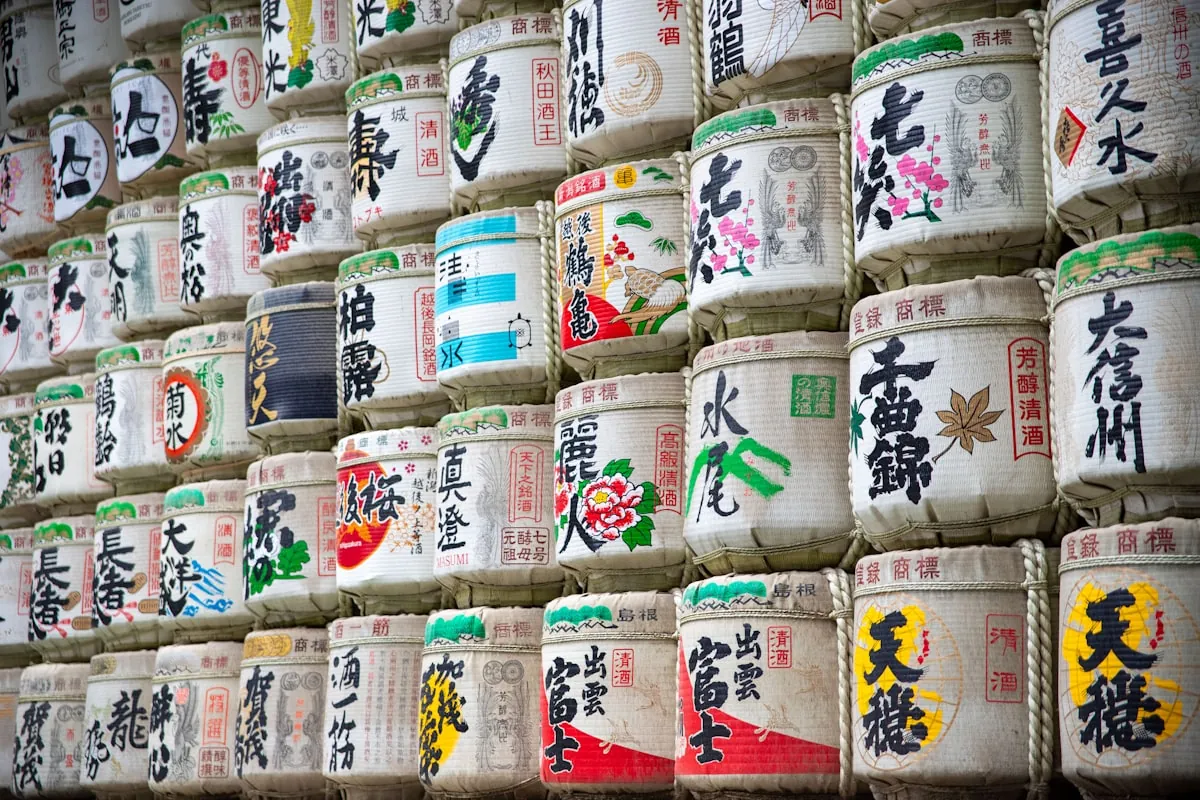
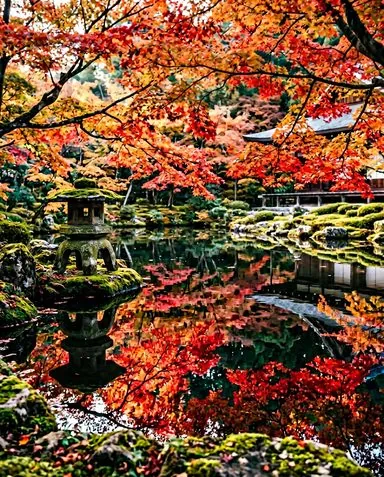

Tokushima is Shikoku's most rugged prefecture — Iya Valley's near-vertical gorges hide thatched-roof villages and the famous Kazurabashi vine bridges, the Iya Valley itself was a samurai refuge after the 12th century Genji-Heike war, the great Naruto Whirlpools form daily in the strait separating Shikoku from Awaji, the Shikoku 88-temple pilgrimage starts at Ryōzenji Temple, and the steep mountain hamlet of Ochiai Village climbs 400m in vertical farms. Plus the wild Awa Odori dance festival every August.
Cities & Towns
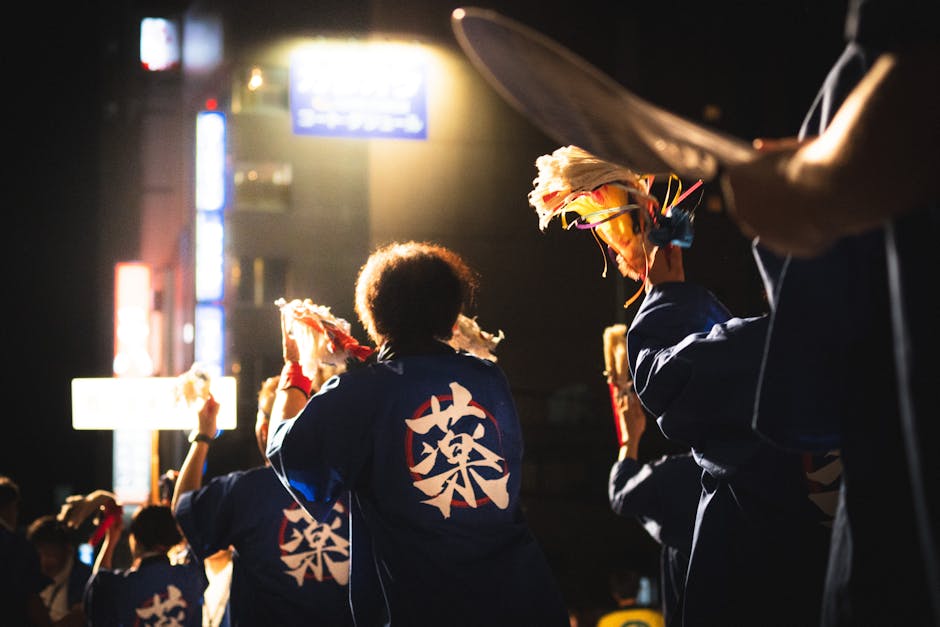
Tokushima City
Capital — Awa Odori Festival headquarters in mid-August, Mount Bizan ropeway, and access to the start of the 88-temple pilgrimage
Capital and dance festival
- Awa Odori festival
- Mount Bizan ropeway
- Tokushima Castle Park
Naruto
Coastal city famous for the giant tidal whirlpools in the Naruto Strait between Shikoku and Awaji Island
Tidal whirlpools city
- Naruto Whirlpools
- Onaruto Bridge
- Otsuka Museum of Art
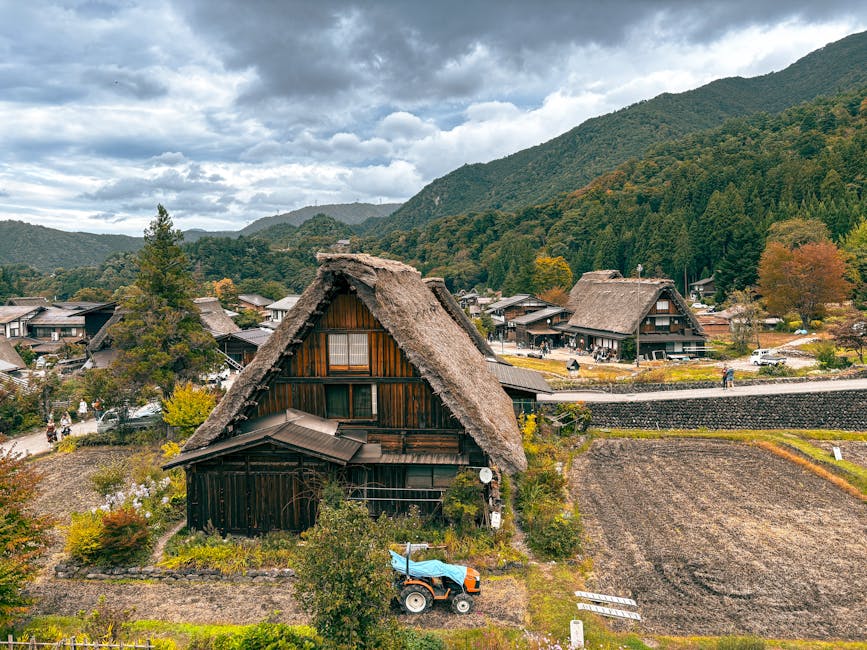
Miyoshi (Iya region)
Mountain town spanning the dramatic Iya Valley and Oboke Gorge — vine bridges, thatched villages, and rafting
Iya Valley gateway
- Kazurabashi vine bridges
- Oboke Gorge rafting
- Ochiai village
Top Attractions
Naruto Whirlpools
Daily 4-13m-wide tidal whirlpools in the Naruto Strait — viewable from sightseeing boats or the glass-floor walkway under Onaruto Bridge
Tidal whirlpools
- 4-13m diameter whirlpools
- Sightseeing boats
- Glass-floor bridge walk
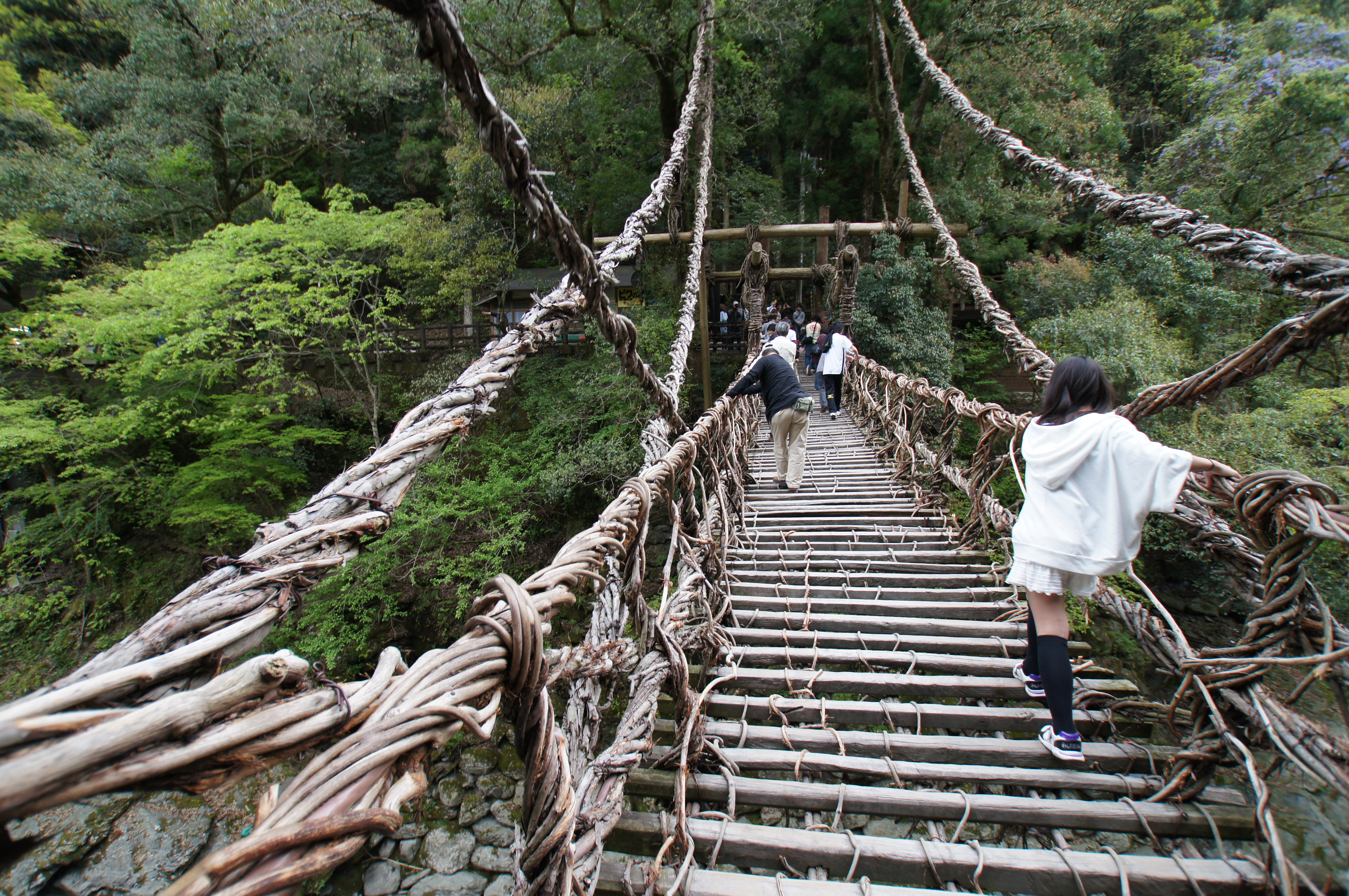
Kazurabashi vine bridges
12th-century-style vine-and-cedar pedestrian bridges across Iya Valley gorges — sway underfoot 14m above the river
Vine bridges over gorge
- 12th-century design
- 14m above river
- Iya region
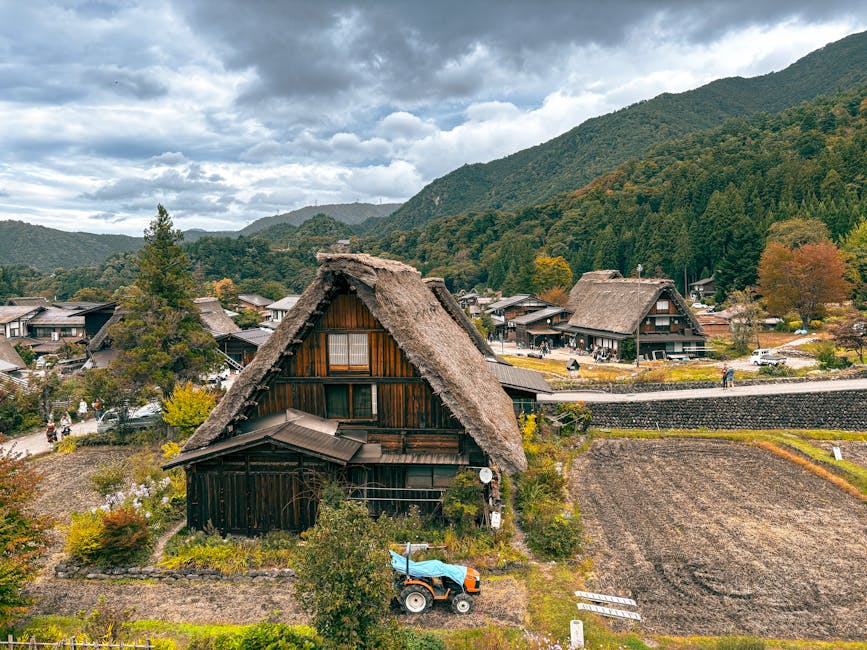
Iya Valley
Deep V-shaped river valley with thatched-roof villages clinging to vertical slopes — once a samurai refuge, now Japan's wildest interior
Wild thatched-village valley
- 12th-c samurai refuge
- Vertical farms
- Manning Pissing Boy statue
Ryōzenji Temple
Temple #1 on the Shikoku 88-temple pilgrimage — pilgrims start their 1,200km circuit here, picking up white robes and conical hats
88-temple pilgrimage start
- Pilgrimage start temple
- White-robed pilgrims
- Henro shop on site
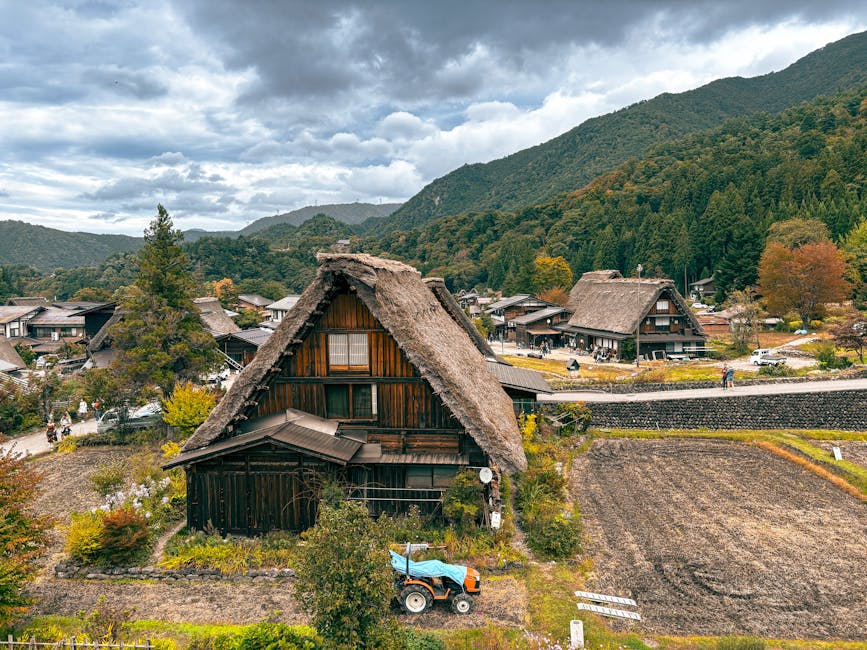
Ochiai Village
Thatched-roof mountain hamlet climbing 400m vertically up the slopes of Iya Valley — restored as a guesthouse-and-museum complex by the architect-author Alex Kerr
Vertical thatched village
- 400m vertical farms
- Alex Kerr restoration
- Stays in old farmhouses
Hidden Gems
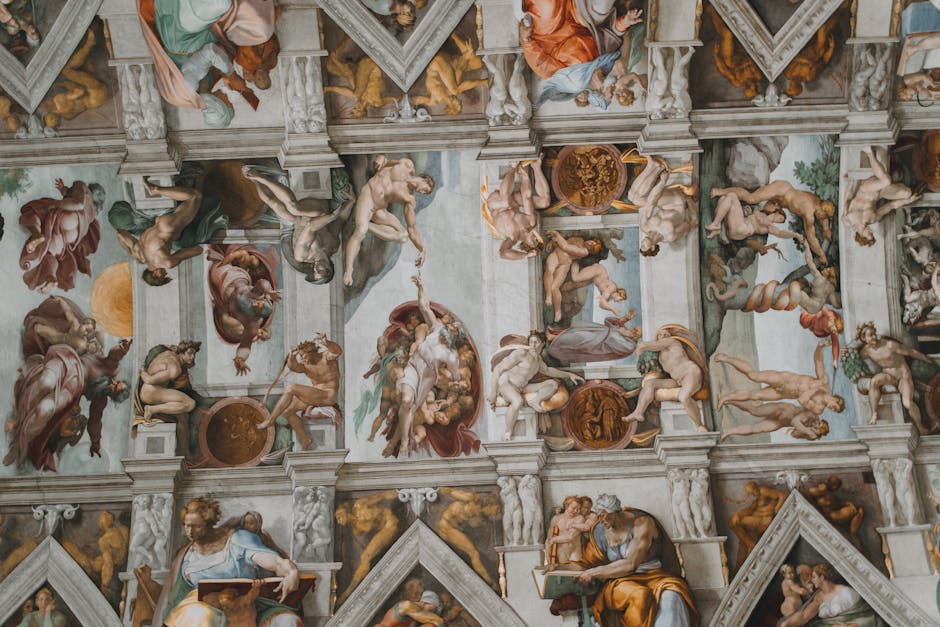
Otsuka Museum of Art
Five-storey ceramic-tile museum near Naruto displaying full-size reproductions of 1,000 Western masterpieces — Sistine Chapel ceiling included
Reproduction art museum
- Sistine Chapel reproduction
- 1,000 masterpieces
- Ceramic-tile durability
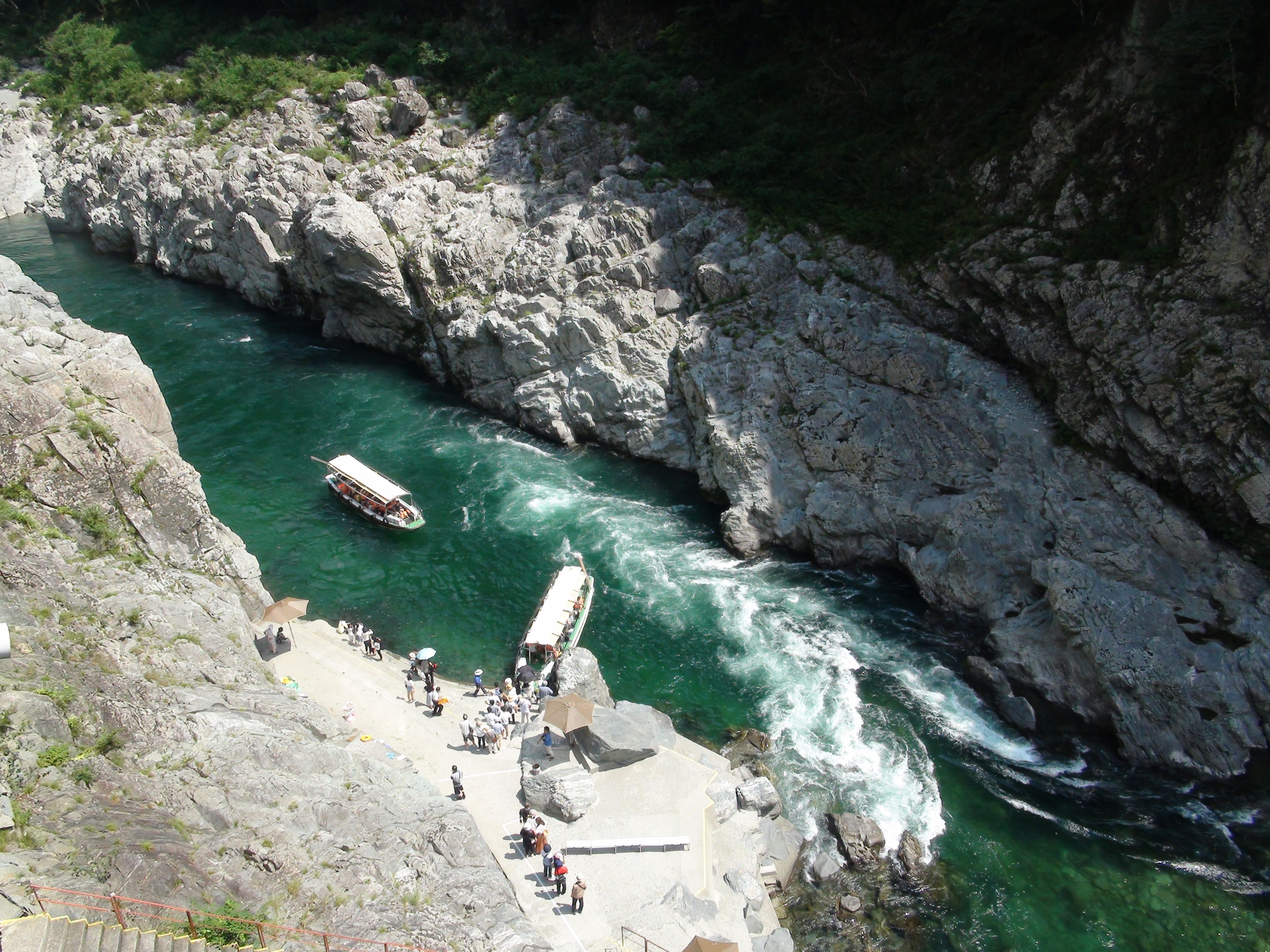
Oboke Gorge
8km gorge of the Yoshino River with emerald rapids, geological observation cruise, and white-water rafting
Rafting river gorge
- 8km gorge
- Sightseeing boats
- Rafting
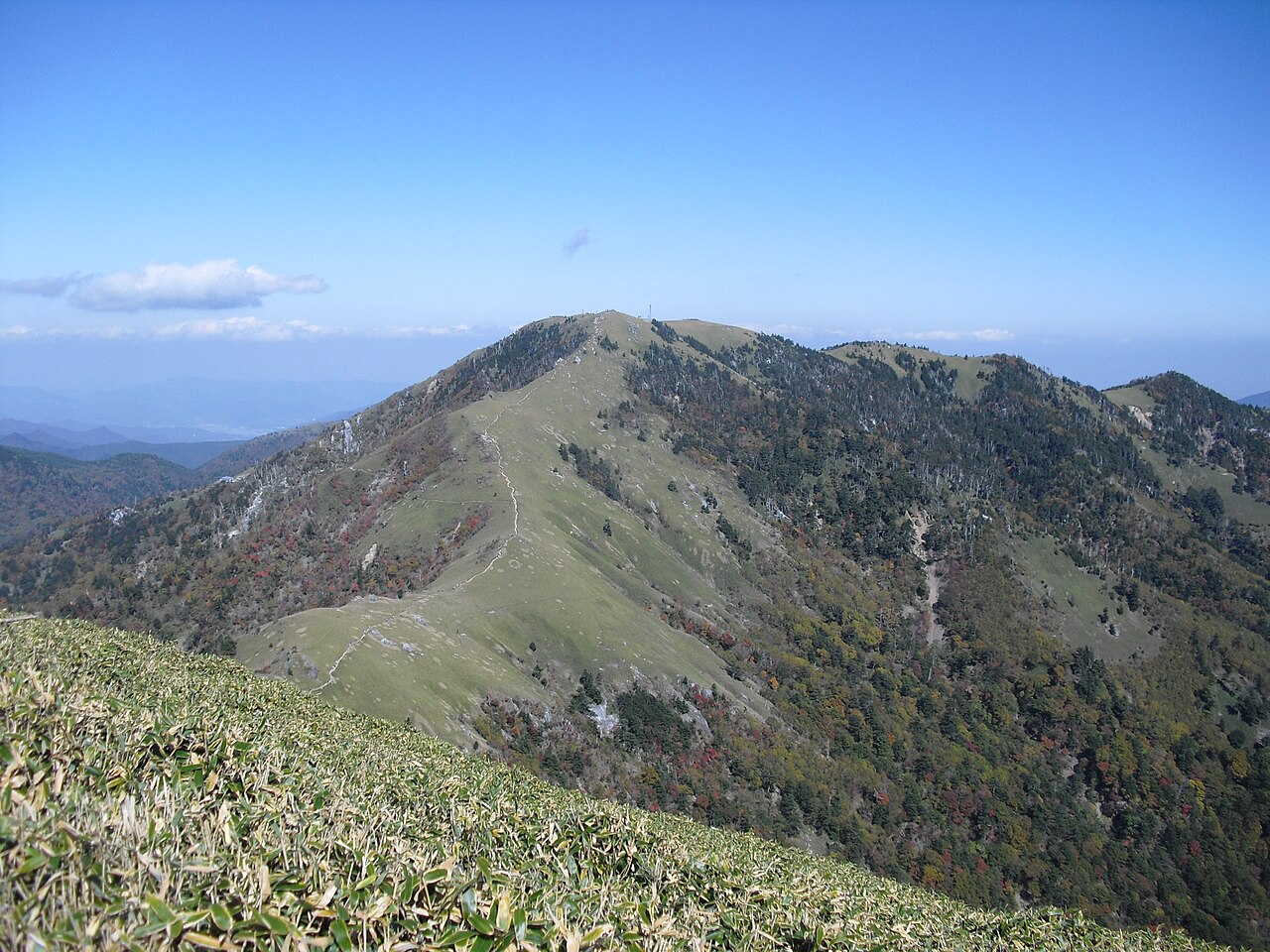
Mount Tsurugi
Western Shikoku's second-tallest peak (1,955m) — chair-lift access to within 20 min of summit, with pilgrim shrine on top
Sacred mountain summit
- 1,955m peak
- Chairlift access
- Summit shrine
When to Visit
Springharu
Mar – May10–22°CModerate crowds
Springharu
- Cherry blossoms at Tokushima Castle Park
- Iya Valley waterfalls full from snow melt
- Pilgrimage season opens
- Mild Naruto whirlpool boats
Summernatsu
Jun – Aug22–32°CHigh crowds
Summernatsu
- Awa Odori Festival August 12-15
- Iya Valley rafting peak
- Mt Tsurugi hiking
- Naruto biggest whirlpools (spring/autumn equinoxes)
Autumnaki
Sep – Nov11–24°CModerate crowds
Autumnaki
- Foliage at Iya Valley and Oboke late October to mid-November
- Ochiai village at peak colour
- Comfortable for pilgrim trail
- Whirlpool tours peak
Winterfuyu
Dec – Feb3–11°CLow crowds
Winterfuyu
- Mild and dry coastal weather
- Snow in higher Iya passes
- Indoor Otsuka Museum
- Quietest pilgrim months
Suggested Itineraries
FAQ
How do I get to Tokushima?
Domestic flight from Tokyo Haneda to Tokushima Airport (70 min, 30-min bus to city). From Osaka: 90-min bus via the Awaji Bridge to Tokushima. From Okayama: JR Limited Express Tsurugi-san to Awa-Ikeda for the Iya region.
When are the biggest Naruto whirlpools?
The whirlpools form daily, but biggest at the spring (mid-March to mid-April) and autumn (mid-September to mid-October) equinoxes when tidal differences are largest. Sightseeing boats run year-round; check tide tables for daily peaks.
Is the Iya Valley accessible without a car?
Difficult but doable. Bus from Awa-Ikeda Station to Kazurabashi (90 min, infrequent). Most travellers rent a car at Awa-Ikeda or stay overnight at Iya Onsen Hotel which provides shuttles. Independent exploration of Ochiai or Mt Tsurugi requires a car.
What is Tokushima best known for?
The Awa Odori dance festival, the Naruto Whirlpools, the Iya Valley vine bridges, the Shikoku 88-temple pilgrimage start at Ryōzenji, and indigo dyeing (Aizome) heritage in the prefecture's plains.
How many days do I need in Tokushima?
One day for Naruto Whirlpools and Tokushima City. Two days adds the Iya Valley vine bridges. Three days lets you stay in Ochiai or summit Mt Tsurugi.
What are Tokushima's hidden gems?
The Otsuka Museum of Art's ceramic-tile reproductions of 1,000 Western masterpieces, the Oboke Gorge sightseeing-and-rafting river, and the vertically farmed Ochiai Village high in the Iya Valley.
What surrounds the headline spots?
Beyond the obvious draws, Uzu-no-Michi, Awa Odori Kaikan, Oku-Iya Kazurabashi, Biwa-no-Taki reward travelers willing to step off the main route — local pace, fewer crowds, and a closer feel for the everyday rhythms of the region.