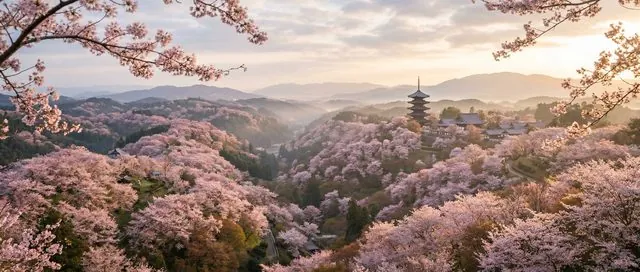
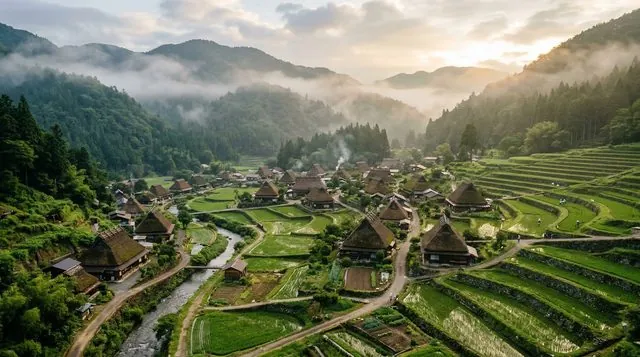
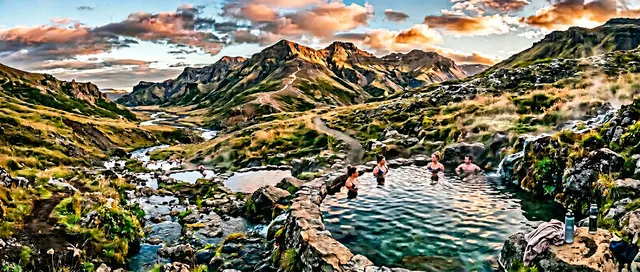
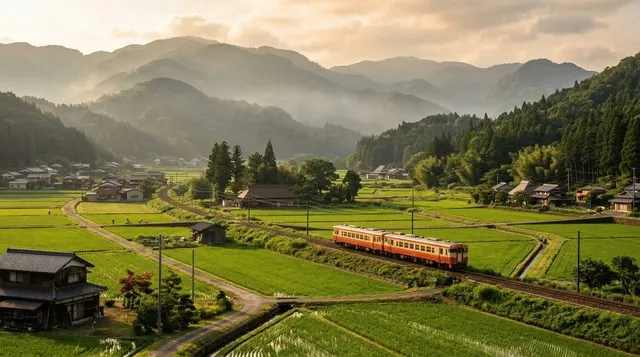
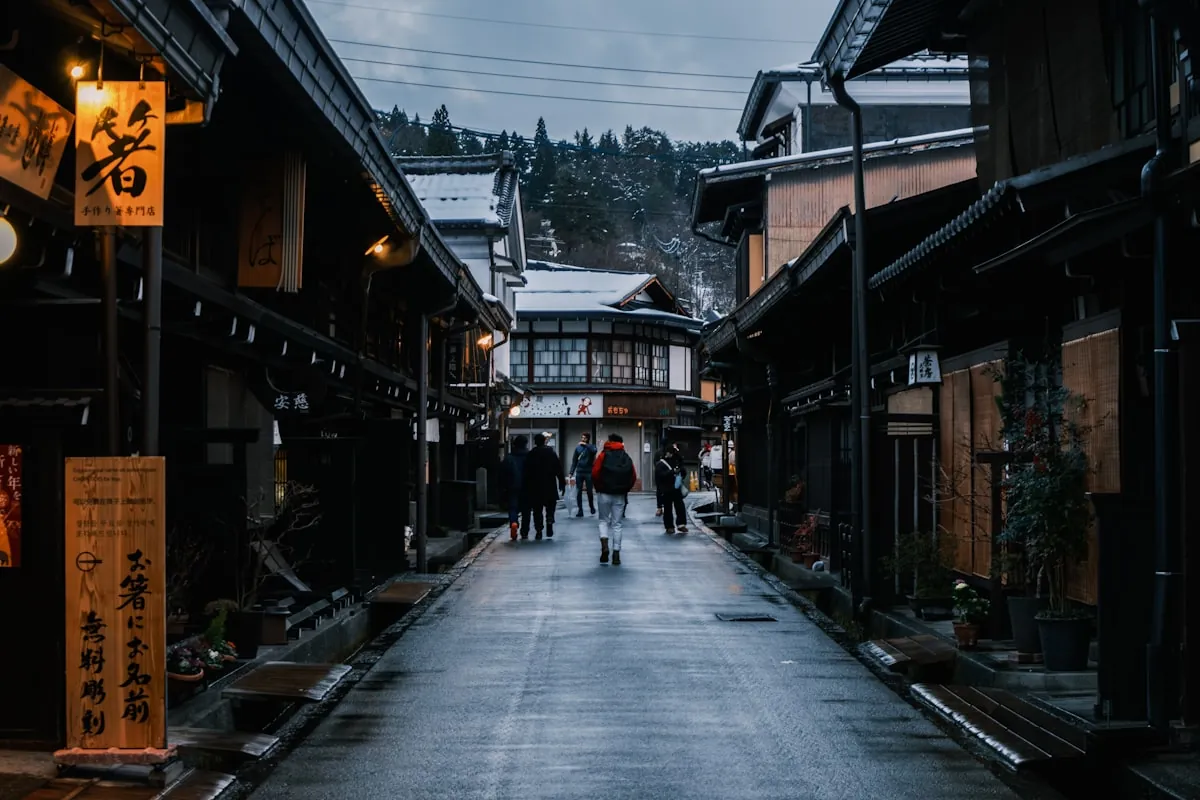
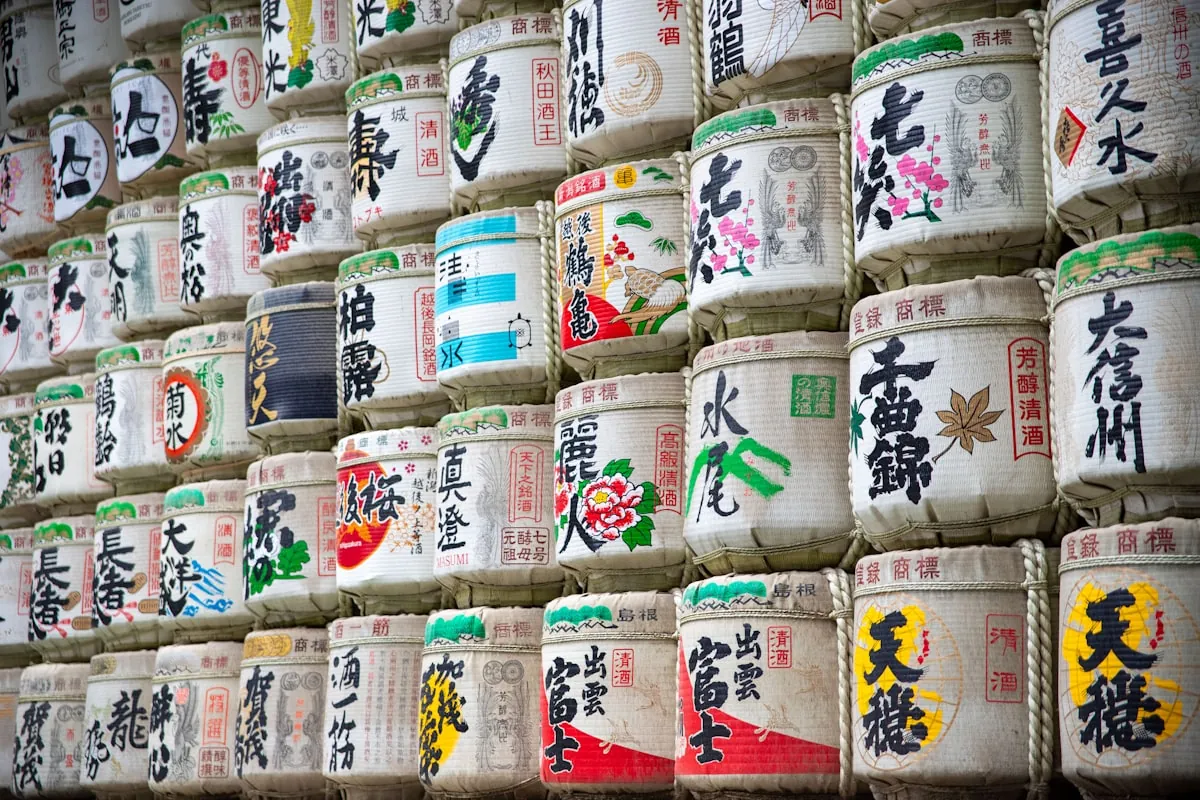
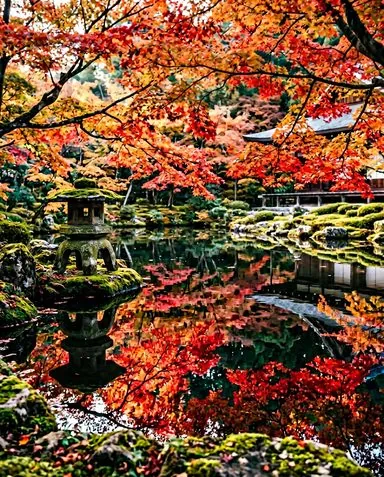

Kochi is Shikoku's largest and least-visited prefecture — Japan's most ardent samurai-rebel land (Sakamoto Ryōma was born here) and home to the country's clearest rivers. The headline draws are the original-keep Kochi Castle, the lively food-stall Hirome Market, the surf-and-statue beach of Katsurahama Beach, the dramatic Cape Ashizuri at Shikoku's southern tip, and the 38th-temple Kongōfukuji Temple on the henro pilgrim trail.
Cities & Towns
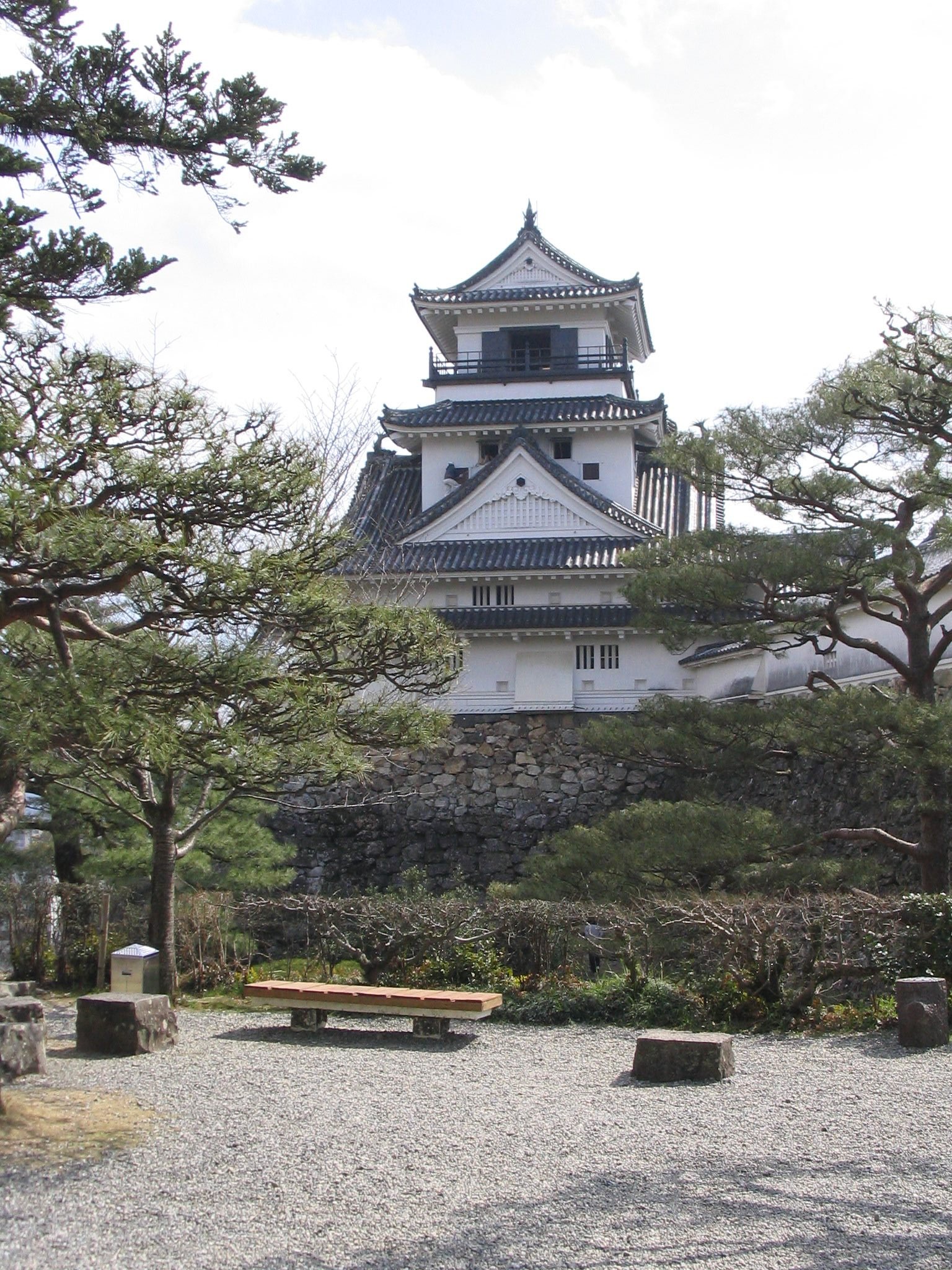
Kochi City
Capital — original Kochi Castle, the Hirome Market food hall, and the Sakamoto Ryōma birthplace and statue
Capital and Ryōma city
- Kochi Castle
- Hirome Market
- Sakamoto Ryōma sites
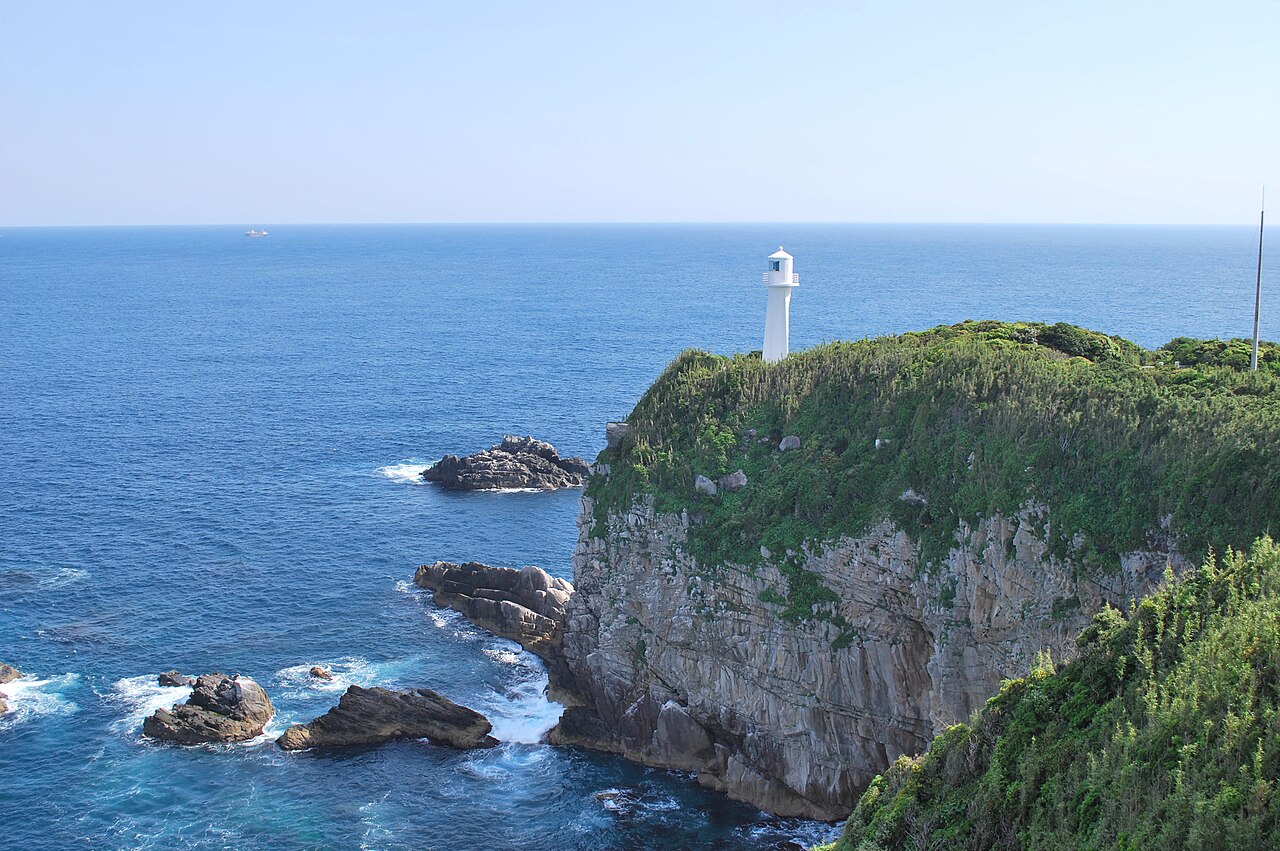
Tosashimizu
Southernmost coastal town — gateway to Cape Ashizuri, the lighthouse cliffs, and the 38th pilgrim temple Kongōfukuji
Southernmost cape town
- Cape Ashizuri
- Kongōfukuji
- Tatsukushi marine park
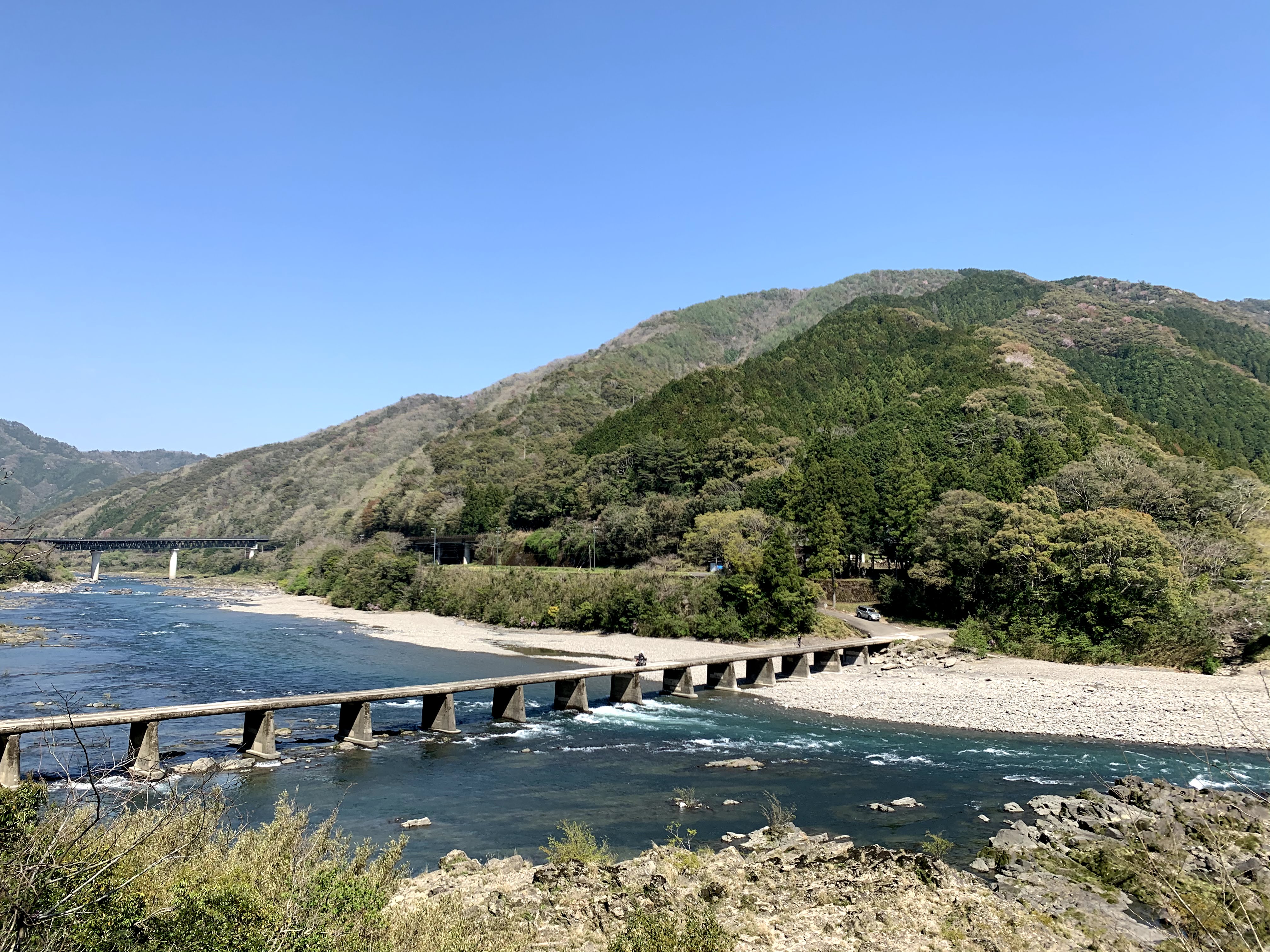
Shimanto
Inland river town along Japan's clearest river — bicycle rentals along the riverside, plus chinkabashi sinking-bridges
Clearest river town
- Japan's clearest river
- Chinkabashi sinking bridges
- River cycling
Top Attractions
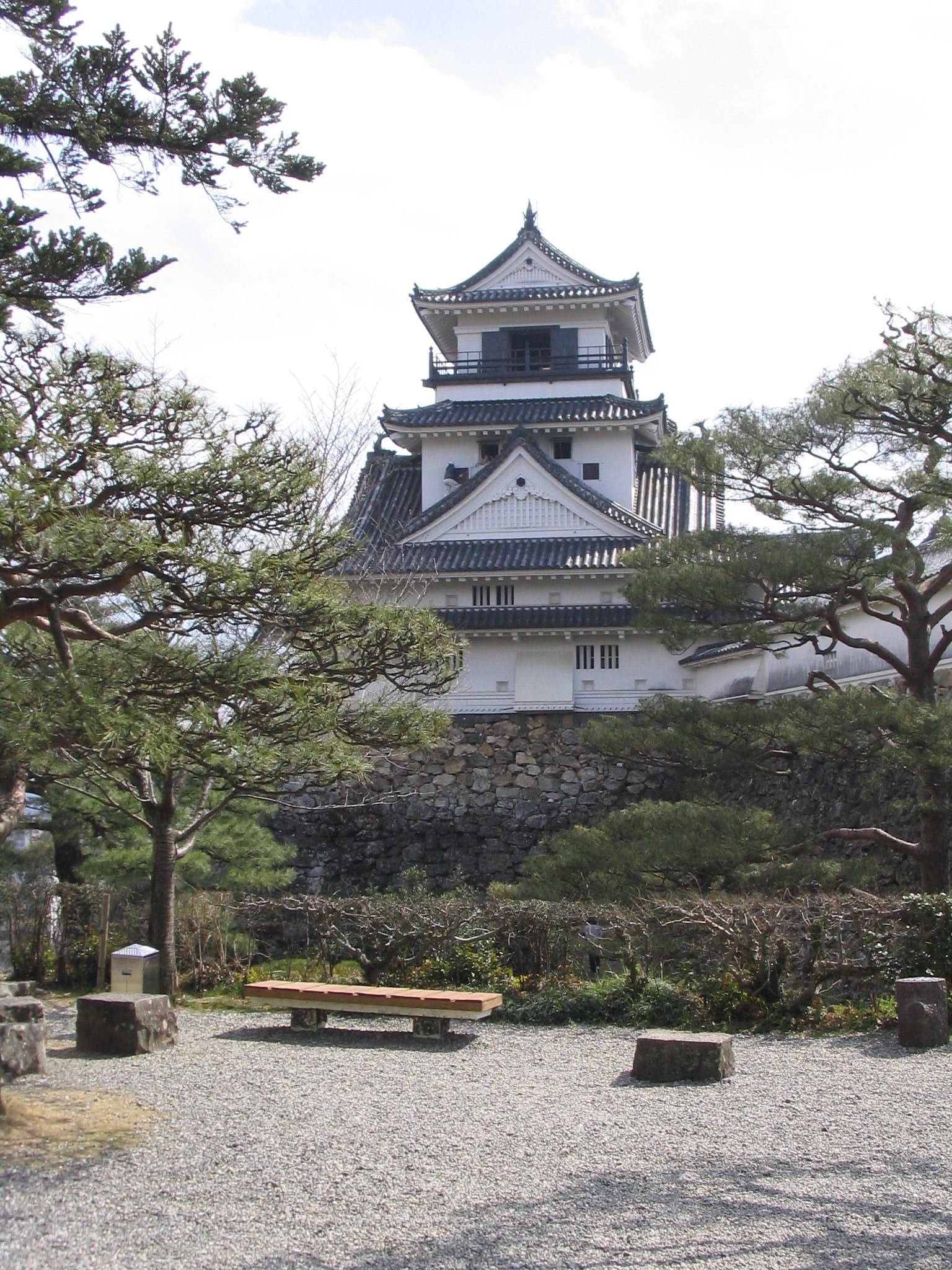
Kochi Castle
1601 castle with the only original Honmaru palace remaining in Japan — full set of original Edo-period buildings inside the keep
Only original Honmaru palace
- Original 1601 keep
- Only original Honmaru palace
- Cherry-blossom park
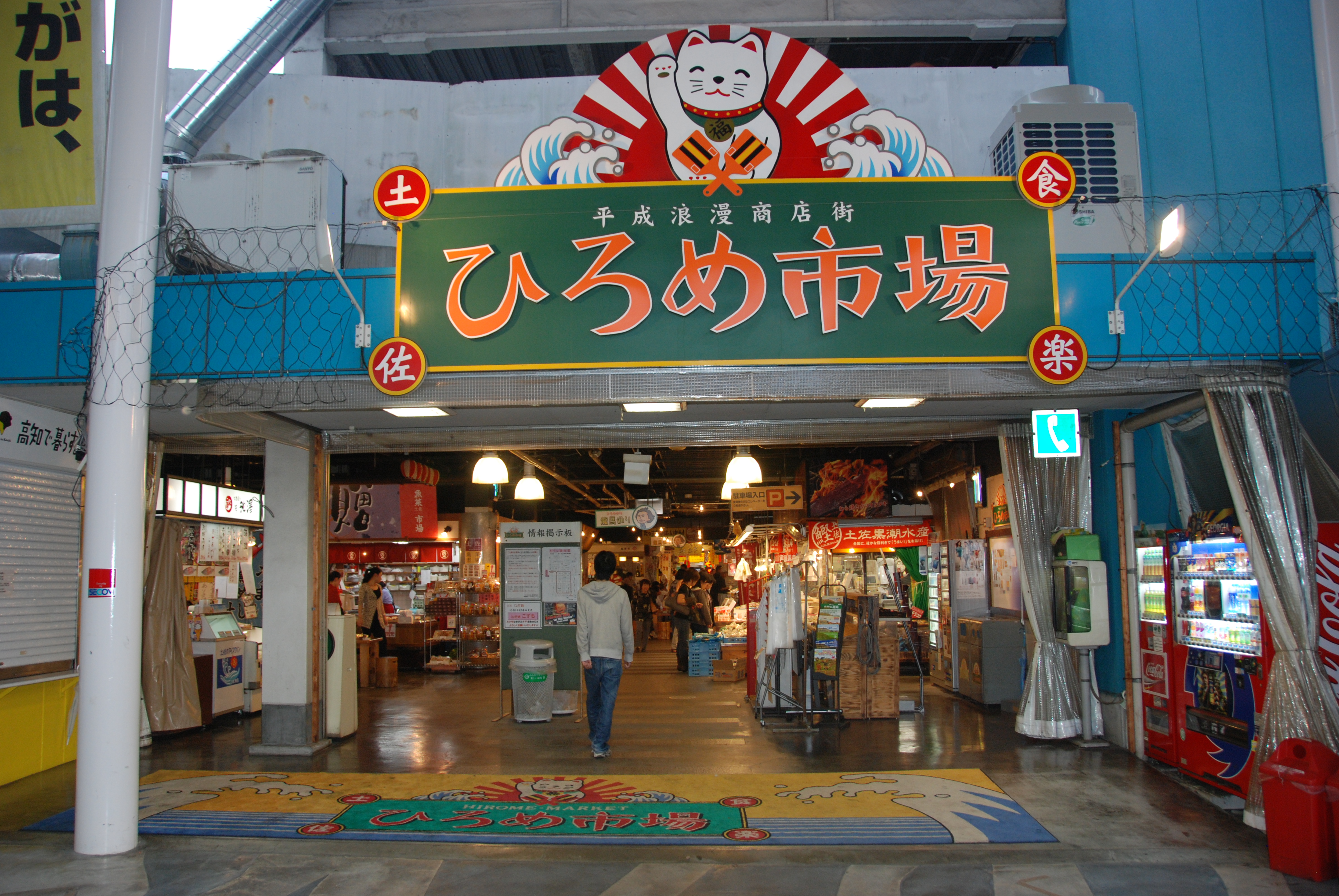
Hirome Market
Indoor food-stall hall — bonito-tataki seared over straw, fresh sashimi, and Kochi's strong sake culture, all at communal tables
Indoor food-stall hall
- Bonito tataki
- Communal tables
- 60+ food stalls
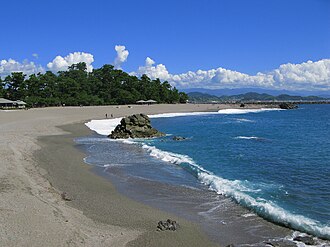
Katsurahama Beach
Crescent of black-and-white pebbles south of Kochi City — Sakamoto Ryōma statue gazes out to sea, plus aquarium and dog-fight stadium
Pebble beach + Ryōma statue
- Pebble crescent beach
- Ryōma statue
- Tosa Inu fights venue
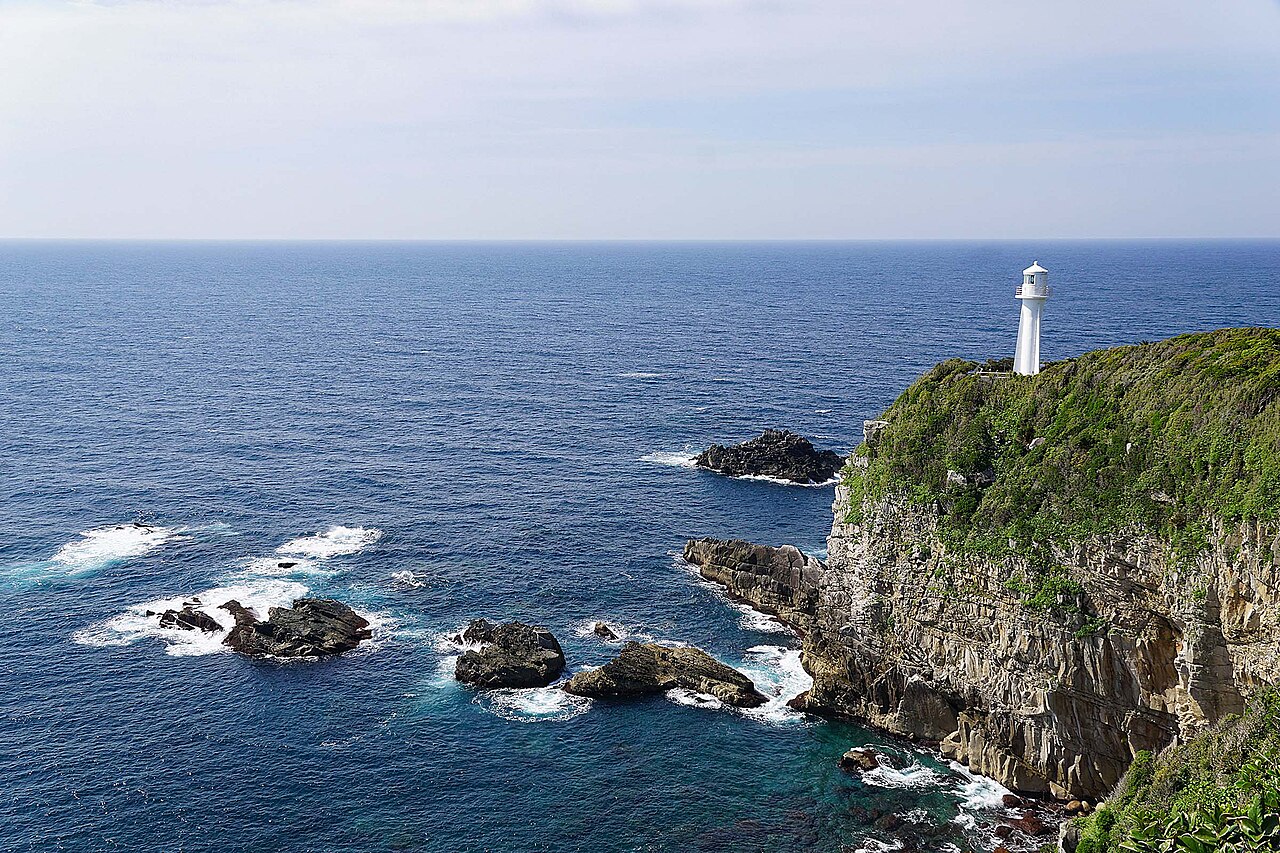
Cape Ashizuri
Dramatic Pacific cape at Shikoku's southern tip — 80m white lighthouse, basalt sea cliffs, and 270-degree ocean views
Shikoku's southern cape
- Shikoku's southern tip
- 80m lighthouse
- Sub-tropical climate
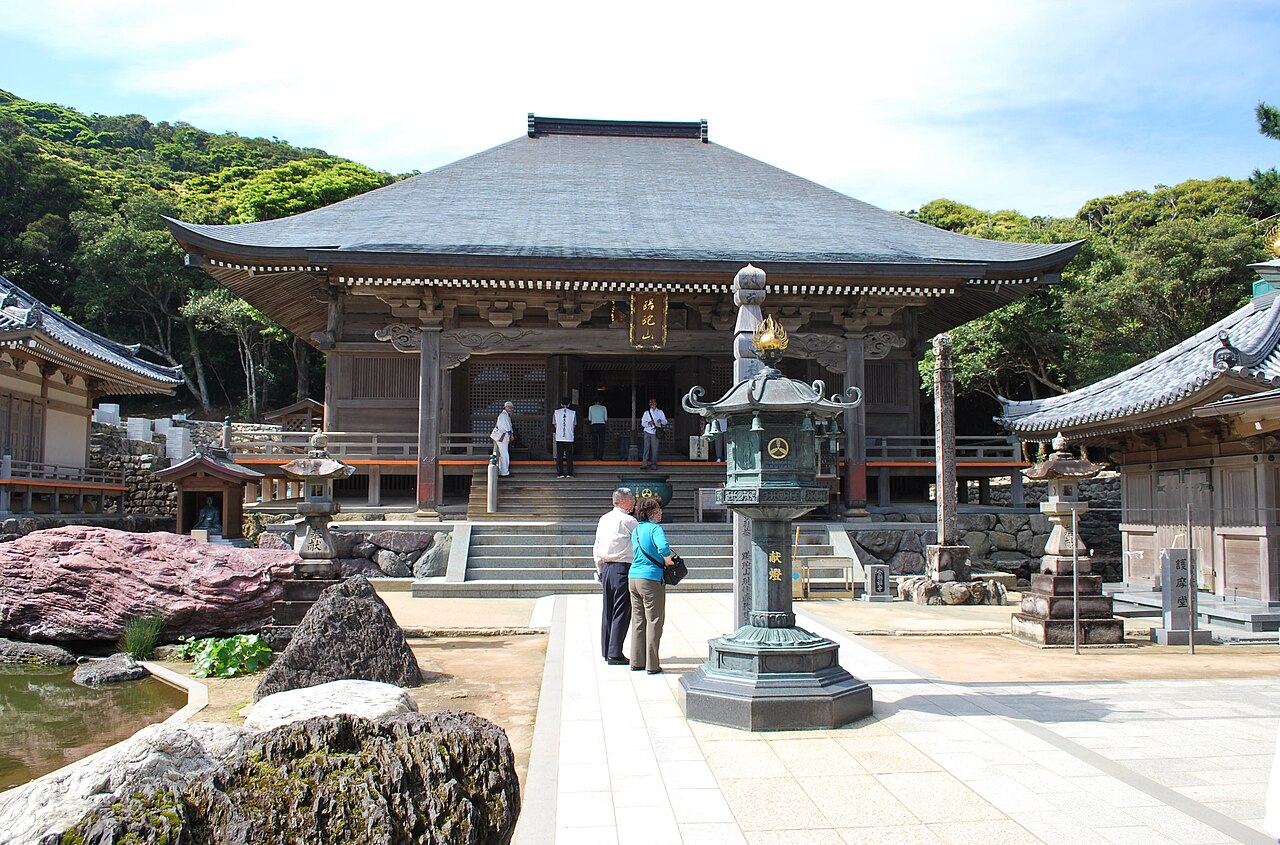
Kongōfukuji Temple
38th temple on the Shikoku 88-temple pilgrimage — sacred site of Kobo Daishi, dramatic clifftop setting at Cape Ashizuri
Pilgrim temple #38
- 88-temple pilgrim site
- Founded 822 AD
- Cape Ashizuri setting
Hidden Gems
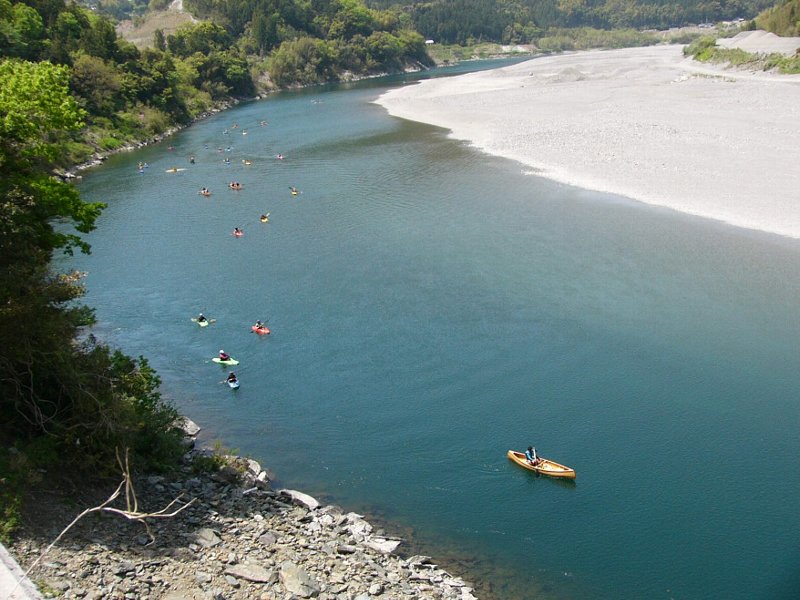
Niyodo River
Emerald-green inland river often called Japan's clearest — kayaking, swimming, and the Nakatsu Gorge basin
Emerald clear river
- Emerald water clarity
- Kayak and swim
- Nakatsu Gorge
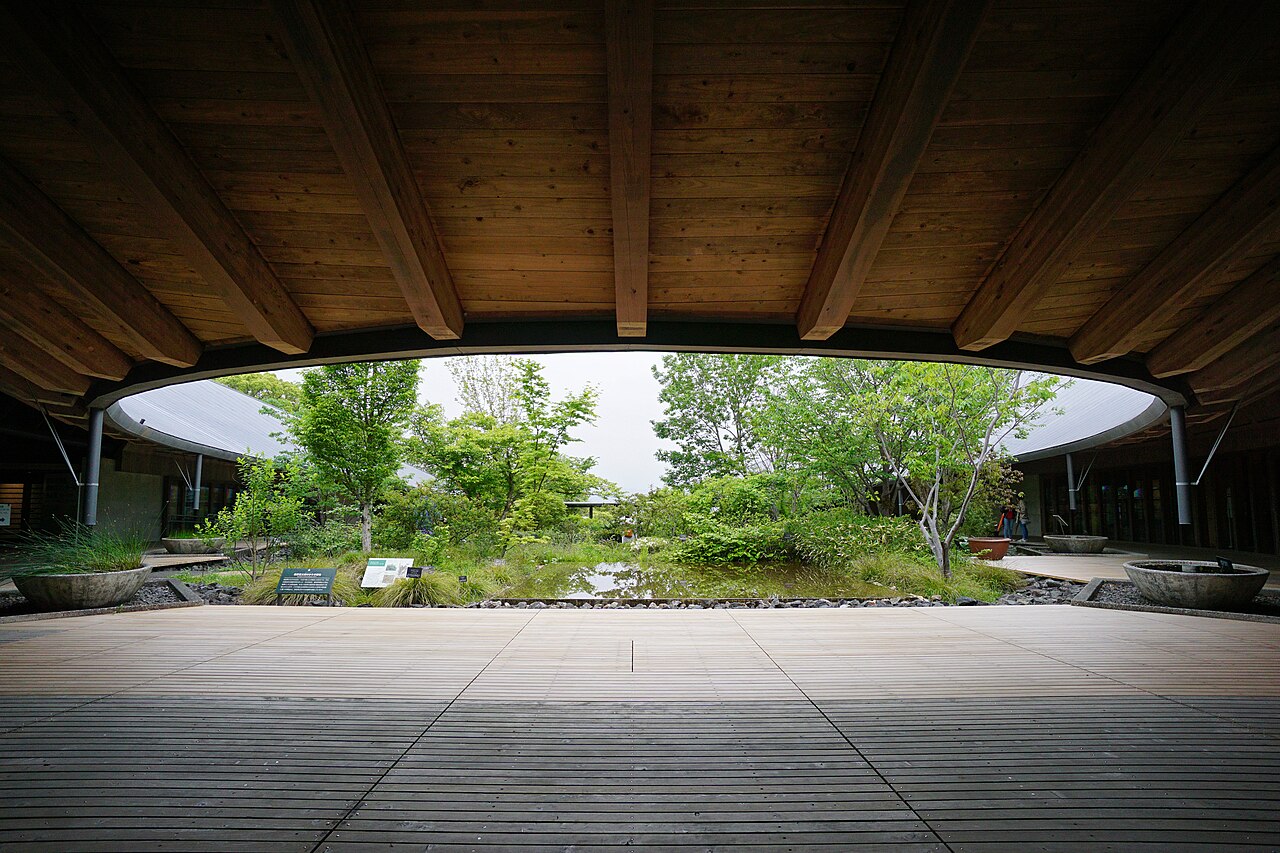
Makino Botanical Garden
Hilltop garden in Kochi City honouring Tomitaro Makino, the father of Japanese botany — 3,000 plant species across nine hectares
Botanical garden
- 3,000 plant species
- Tomitaro Makino tribute
- Greenhouse and pond
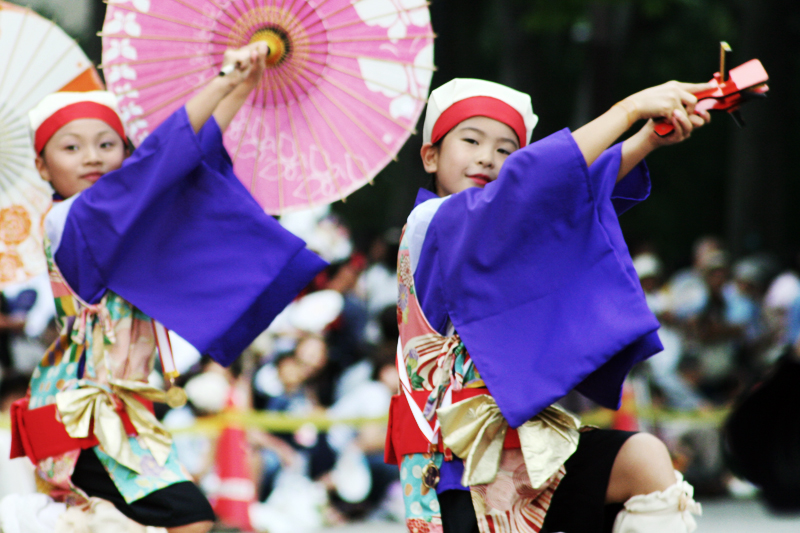
Yosakoi Festival
Wild August dance festival originating in Kochi — drums, choreographed dance teams, and feathered fans, now a national tradition
Kochi-origin dance festival
- August 9-12
- Originated Kochi
- Big national festival
When to Visit
Springharu
Mar – May11–22°CModerate crowds
Springharu
- Cherry blossoms at Kochi Castle late March
- Mild Cape Ashizuri weather
- Pilgrim season opens
- Niyodo River swimming starts late May
Summernatsu
Jun – Aug23–33°CHigh crowds
Summernatsu
- Yosakoi Festival August 9-12
- Niyodo and Shimanto river peak season
- Pacific surfing
- Sub-tropical Cape Ashizuri
Autumnaki
Sep – Nov12–25°CModerate crowds
Autumnaki
- Bonito-tataki season peak (Hirome Market)
- Comfortable for pilgrim trail
- Foliage in mountain valleys
- Light typhoon risk through October
Winterfuyu
Dec – Feb5–13°CLow crowds
Winterfuyu
- Mild Pacific coast — rarely freezing
- Sub-tropical Cape Ashizuri stays warm
- Quiet Hirome Market
- Citrus and yuzu harvest peak
Suggested Itineraries
FAQ
How do I get to Kochi?
Domestic flight from Tokyo Haneda to Kochi Ryōma Airport (80 min, 30-min bus). From Okayama: JR Limited Express Nampu (2.5 hours, JR Pass valid). Direct bus from Osaka (5 hours).
Is Kochi worth the detour?
For travellers willing to step off the Tokyo-Kyoto-Osaka spine, very much yes. The Hirome Market food culture, the original Kochi Castle palace, the wild Cape Ashizuri, and Japan's clearest rivers are unique. Less convenient than Ehime but more rewarding for off-beaten-path travellers.
What is Kochi best known for?
Sakamoto Ryōma (the Bakumatsu rebel born here), the Yosakoi dance festival, bonito tataki (seared bonito), Japan's clearest rivers (Shimanto and Niyodo), and Kochi Castle's original Honmaru palace.
How many days do I need in Kochi?
Two days for Kochi City (castle, Hirome, Katsurahama). Three days adds Cape Ashizuri or the Shimanto River. A week opens up the full Pacific coast plus inland Niyodo gorges.
When is Cape Ashizuri at its best?
Spring through autumn for clear Pacific views. Sub-tropical climate keeps it warmer than mainland Japan; even December is mild. Sunrise from the lighthouse cliffs is the photographer's draw.
What are Kochi's hidden gems?
The Niyodo River's emerald-green clarity (kayaking, swimming), the Makino Botanical Garden in Kochi City, and the chinkabashi sinking-bridges of the Shimanto River.
What surrounds the headline spots?
Beyond the obvious draws, Ryugado Cave, Kongōfukuji Temple, Yanase Cedar Forest, Cape Muroto reward travelers willing to step off the main route — local pace, fewer crowds, and a closer feel for the everyday rhythms of the region.
What surrounds the headline spots?
Beyond the obvious draws, Kongofukuji Temple reward travelers willing to step off the main route — local pace, fewer crowds, and a closer feel for the everyday rhythms of the region.