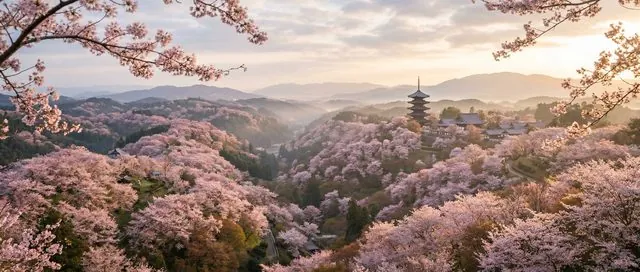
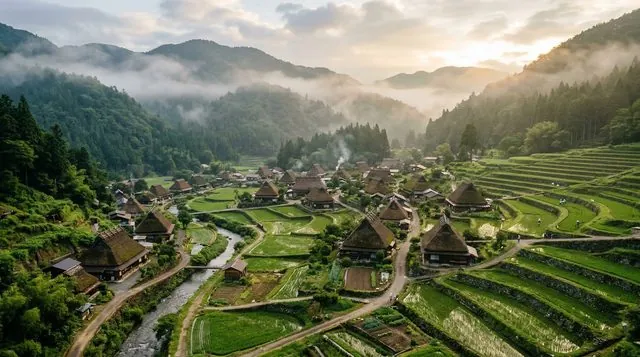
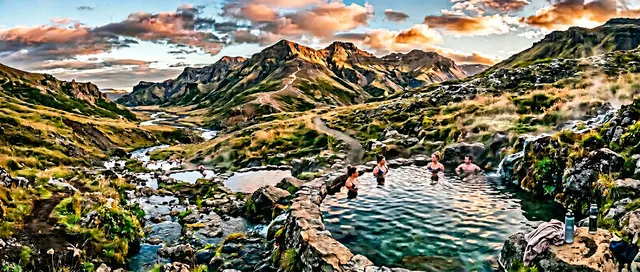
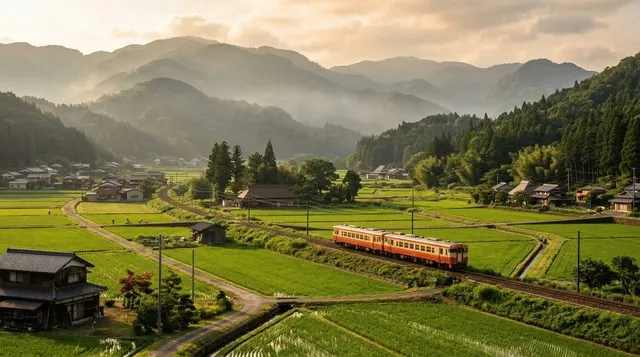
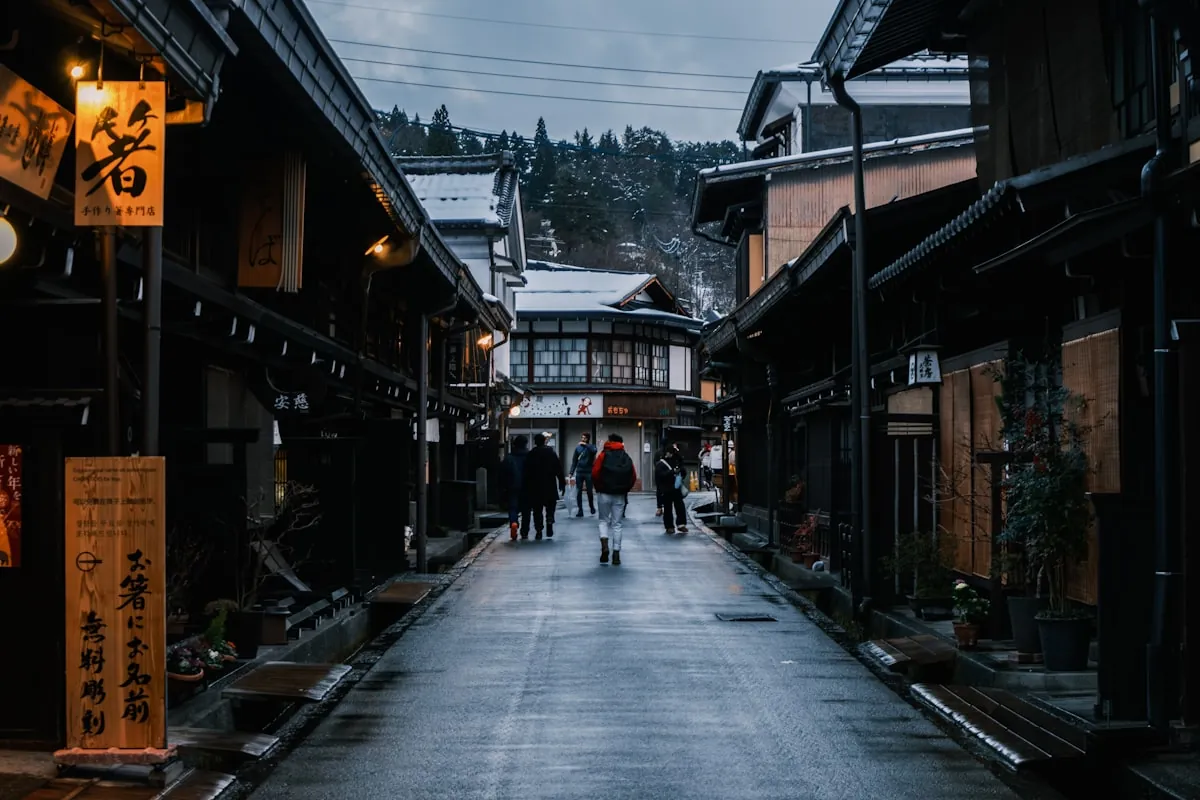
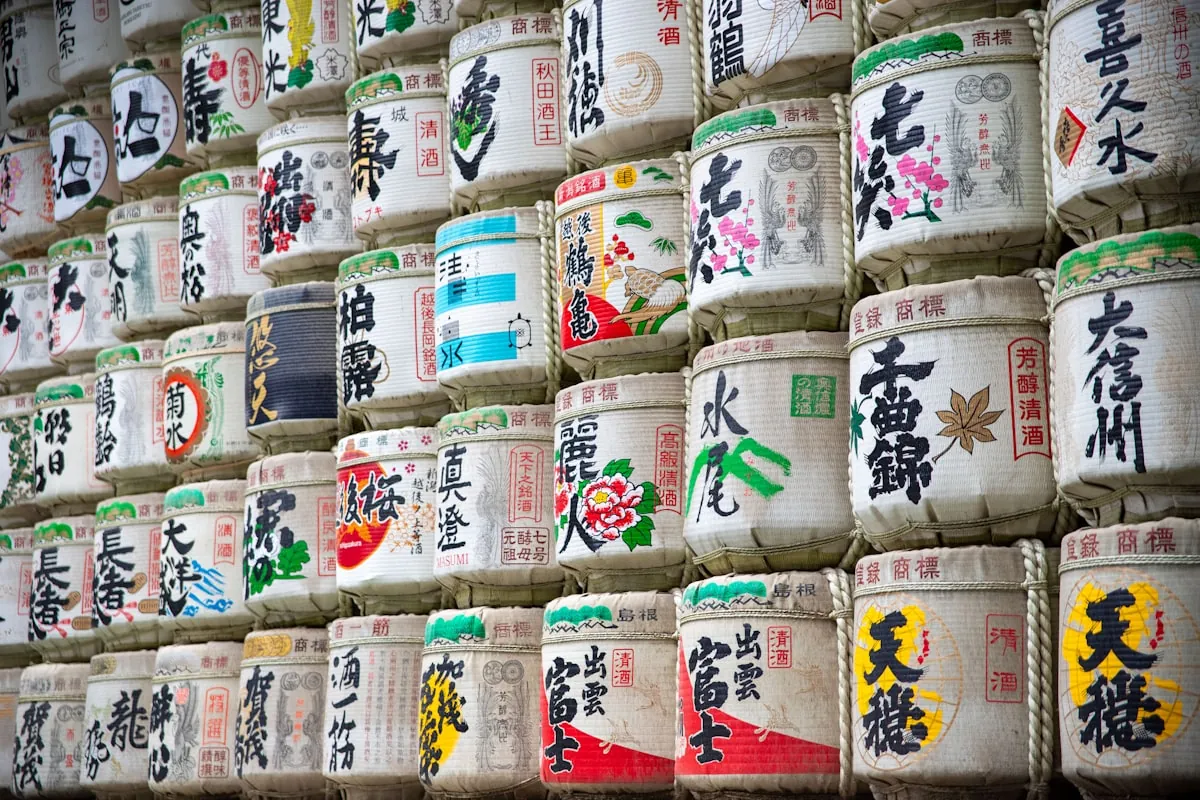
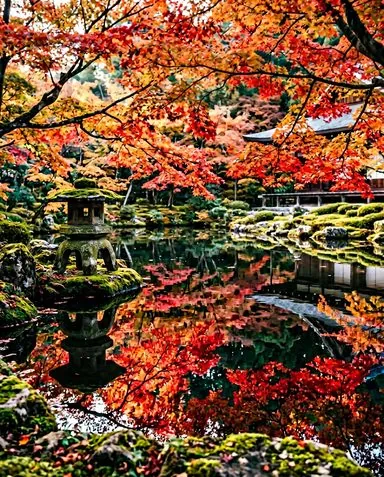

Japan sits on a tectonic seam, and the result is more than 27,000 hot-spring sources across 3,000 onsen towns. Onsen-going is not a special occasion here — it is what people do on Friday night, what families do on holidays, what salarymen do after work in their own neighbourhood. The first time is the only time it feels foreign. Five minutes after you walk into the changing room you understand the system: leave clothes in a basket, wash sitting down, soak silently, get out before you cook. That is it. The water does the rest.
What an onsen actually is
An onsen is a bath using mineral water from a natural hot spring (≥25°C, with a defined mineral content under Japanese law). A sento is a public neighbourhood bath using heated tap water. Onsen come in two main flavours: uchiyu (indoor bath, often in a ryokan or onsen hotel) and rotenburo (open-air, often outside on a mountain or by a river). Most onsen are sex-segregated; a small number of remote ones still permit konyoku mixed bathing. Day-use is common at ¥500–1,500; staying overnight at an onsen ryokan starts at ¥15,000 and includes dinner.
The 6-step etiquette in 60 seconds
- Take your shoes off at the entrance, slippers on, walk to the changing room.
- Pick a basket or locker — strip completely naked. Onsen are not swimsuit baths.
- Bring the small modesty towel (modani-tenugui) into the bathing area, leave the large towel.
- Wash sitting down at a station — soap, shampoo, rinse. Rinse the stool when done.
- Step into the bath. The towel either folds on top of your head or sits on the rocks beside the bath; do not put it in the water.
- Soak for 5–10 minutes. Get out before you feel dizzy. Drink water. Re-enter or finish.
The tattoo question
Old rule: tattoos = no entry, because of historical association with yakuza. Current rule (2026): the policy is local. Almost all rural onsen and modern hotel onsen accept any size of tattoo. Many traditional Kyoto / Osaka onsen still refuse, but small concealment stickers (¥500 from any drugstore) work everywhere except the strictest few. From an actual half-sleeve who has never been refused over twenty visits — the tattoo discussion is mostly outdated, and a polite ask at the desk works almost every time.
Where to onsen — five regions, five flavours
- Hakone (Kanagawa) — the easiest weekend onsen from Tokyo. Multiple ryokan with rotenburo facing Mt. Fuji. Hakone Free Pass covers the trip.
- Kusatsu (Gunma) — sulphur water so strong it will eat aluminium foil. Yubatake hot-water field in the village centre. Kanto's most authentic.
- Kinosaki (Hyogo) — seven public onsen along a wooden-bridge river; the entire town is the experience, walk between them in your yukata.
- Beppu (Oita) — eight different onsen districts, mud baths, sand baths, steam baths. The largest output of any onsen town in the country.
- Noboribetsu (Hokkaido) — “Hell Valley” rotenburo at altitude, snow on the rocks in winter, the most cinematic onsen experience in Japan.
What to read next
The cross-linked Onsen-tagged articles below cover specific locations and detailed how-to advice. Start with the first-timer's full-walkthrough practical guide, then pick a destination by season.