

`, then the prefecture-blurb, then `
Fukuoka City Guide
`. I'll fix that to a single ``.
The fix instructions point to slug/geo_tags issues that are resolved outside the article HTML (in the CMS/routing layer), but I should ensure the prefecture-blurb marker is correct and the article is clean. Let me also add the missing `ai-summary` comment marker that should precede the article.
Here is the repaired article:
Fukuoka City Guide
Fukuoka is closer to Seoul and Shanghai than to Tokyo — and that continental pull defines everything, from the rich tonkotsu broth at its nightly yatai stalls to Japan's first Zen temple tucked into the Hakata backstreets. Kyushu's largest city grew from two towns fused in 1889: the merchant port of Hakata and the castle town of Fukuoka. The result is a compact, fast-moving city where serious food culture, a 13th-century shrine district most tourists never find, and easy access to coastal day trips make it one of Japan's most underrated stops.
When to Visit
Fukuoka's mild climate makes it comfortable year-round, but spring and autumn offer the best balance of weather and crowds.
Springharu
Mar – May10–22°CModerate crowds
- Cherry blossoms in Ohori Park and Maizuru Park
- Comfortable temperatures for walking Hakata's temple district
- Golden Week crowds at Dazaifu Tenmangu
Summernatsu
Jun – Aug25–33°CModerate crowds
- Hakata Gion Yamakasa festival float race in July
- Rainy season through mid-July
- Peak yatai season along the Naka River
Autumnaki
Sep – Nov12–25°CModerate crowds
- Comfortable walking weather across the city
- Autumn foliage at Dazaifu and Ohori Park
- Fewer international visitors than Kansai
Winterfuyu
Dec – Feb3–10°CLow crowds
- Fewest tourists of any season
- Steaming yatai bowls hit different in the cold
- Easy day trips without crowds
What to Do in Fukuoka
Fukuoka rewards walkers and eaters in equal measure. Start in the Hakata temple district, then work outward.
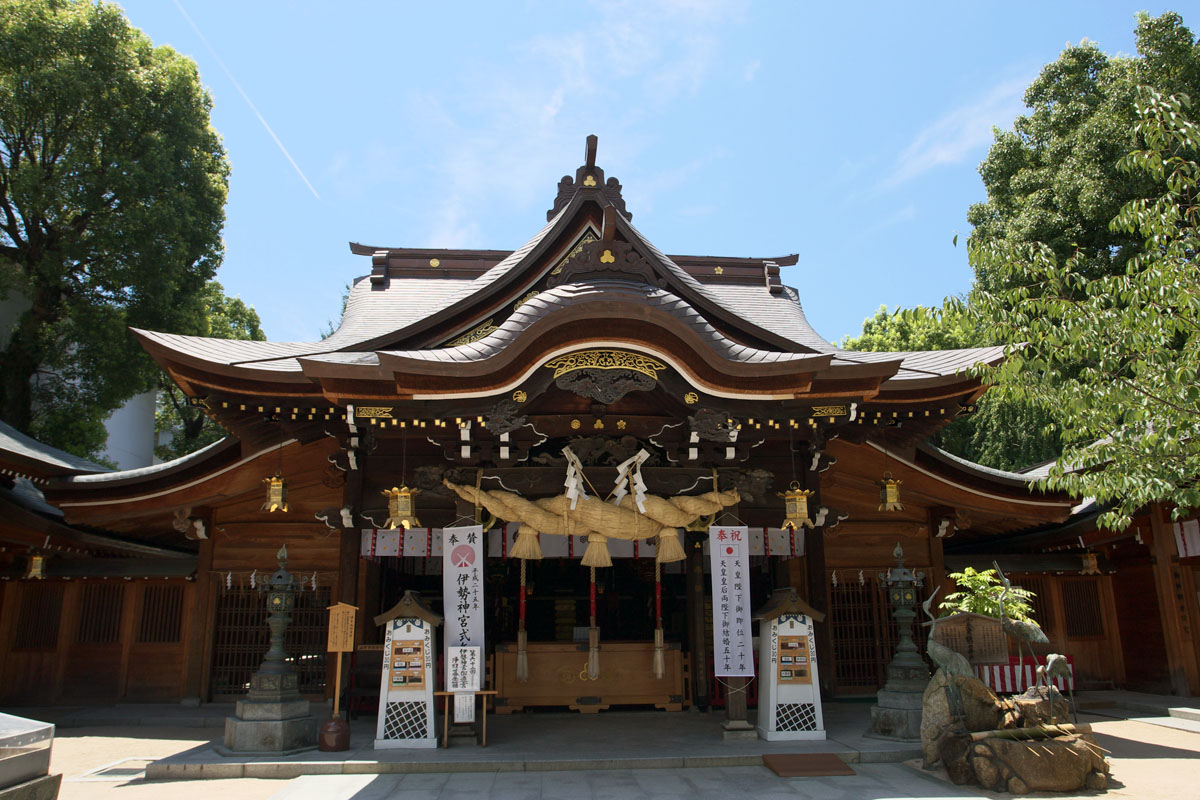 Kushida Shrine
Hakata's 8th-century guardian shrine — locals call it Okushida-san
Hakata's guardian shrine
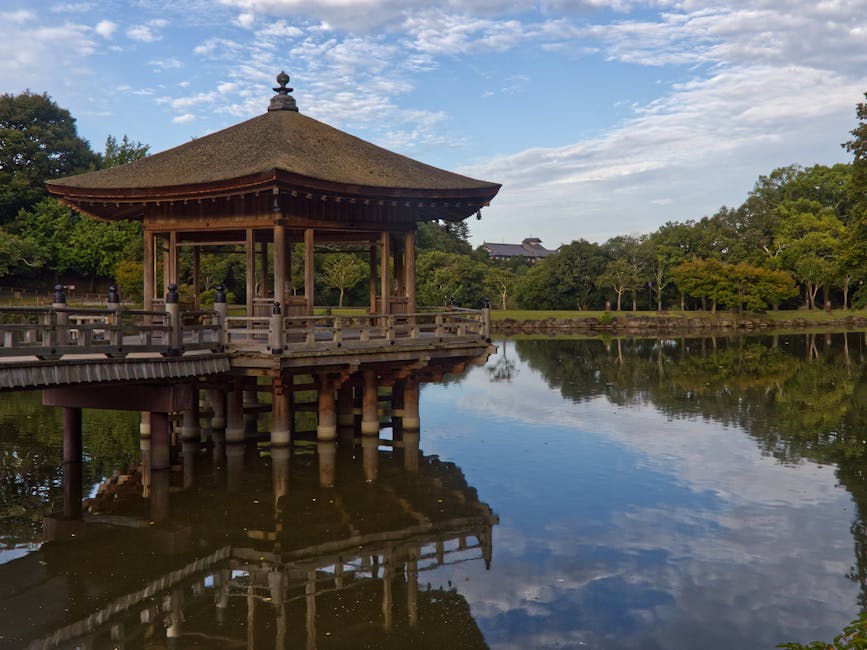 Ohori Park
A lake-centered city park with islands, walking paths, and a Japanese garden on the southern edge
Lakeside park and garden
Fukuoka Yatai StallsOpen-air food stalls line the riverbanks nightly — Fukuoka's most iconic eating experience
Nightly riverside food stalls
Fukuoka Castle RuinsStone walls and panoramic city views from what was once Kyushu's largest castle
Castle ruins with city views
Hidden GemShofukuji TempleJapan's first Zen temple, founded in the 12th century — still standing in the quiet Hakata backstreets
Japan's first Zen temple
Hidden GemAtago ShrineA hilltop shrine with sweeping views over the city and bay — worth the 15-minute climb from Muromi station
Hilltop shrine, city views
Hidden GemHakata Gion DistrictFukuoka's temple quarter — the same name as Kyoto's Gion, without any of the crowds
Quiet temple quarter
Skip the Crowds
- Swap Kushida for Shofukuji: Japan's first Zen temple sits a few minutes' walk from Kushida Shrine in the same Hakata district, yet draws a fraction of the foot traffic. [v2]
- Hakata's Gion district over Tenjin: The temple-lined streets around Kocho-ji and Kushida Shrine are largely devoid of tourists — a stark contrast to Kyoto's Gion namesake.
- Atago Shrine for the view: Take the subway to Muromi Station, walk uphill for 15 minutes, and get a panoramic sweep of the city and Hakata Bay without another tourist in sight. [v8]
- Ohori Park on weekday mornings: The lake path and Japanese garden are near-empty before 9am — a different experience from the weekend picnic crowds. [v3]
- Yatai timing: The riverside stalls peak around 20:00–21:00. Arrive at 18:00 or after 22:00 for open seats and unhurried conversation with the cook.
Food & Drink
Fukuoka is a ramen city first, but the yatai stalls and backstreet izakaya push well beyond tonkotsu. If you want a guided introduction to the city's food scene, booking a Fukuoka yatai food tour through Viator is a good way to get the context and the best seats in one evening.
restaurantShin Shin Ramen (博多めん処 新新)$
One of Fukuoka's most reliable tonkotsu spots, with a permanent queue that moves fast
TenjinCheck availability →
 restaurant
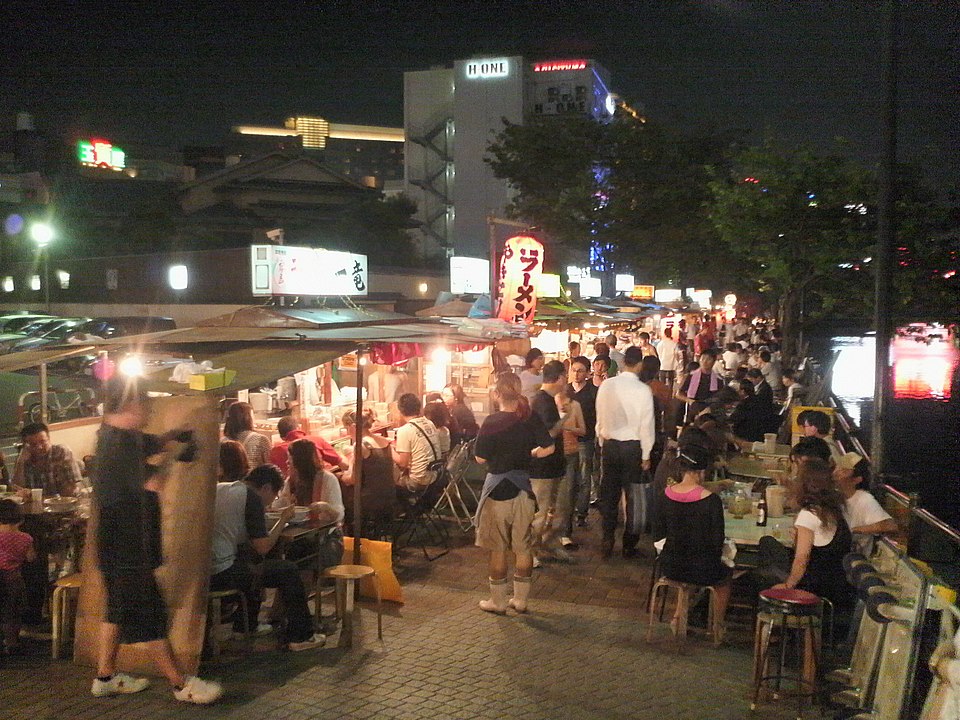
Nakasu Yatai Stalls
A small row of food stalls on Nakasu island — arrive by 18:00 or after 22:00 to skip the wait
NakasuCheck availability →
 restaurant
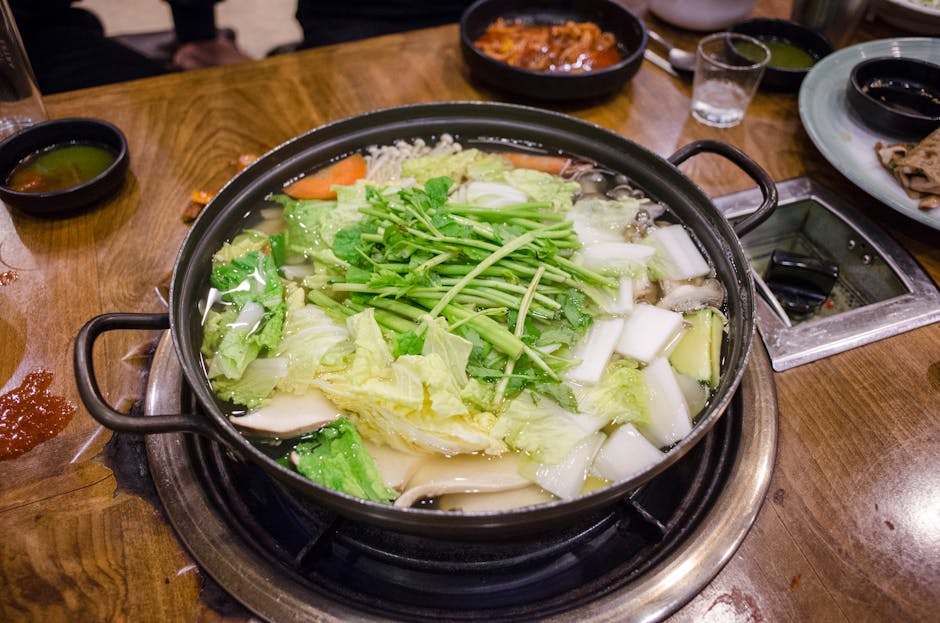
Hakata Motsunabe Ooyama (博多もつ鍋おおやま)
A local favourite for motsunabe with multiple locations around Hakata and Tenjin
HakataCheck availability →
Where to Stay
Hakata Station is the most practical base — direct shinkansen access, subway lines, and yatai stalls within walking distance. You can compare hotels near Hakata Station on Booking.com to find the right fit across all budgets.
hotelWith The Style Fukuoka$$$
4-star boutique with garden, sauna, and hot tub near Otowa Park
HakataCheck availability →
hotelTokyu Stay Hakata$$
Reliable mid-range option steps from Hakata Station with solid breakfast
HakataCheck availability →
hostelWeBase Hakata$
Clean, social hostel — a good budget base for solo travellers exploring Kyushu
HakataCheck availability →
Day Trips
Fukuoka's position on the northern Kyushu coast puts historic towns, coastal scenery, and sacred shrines within easy reach. Dazaifu and Itoshima are the easiest half-day options from the city; if you'd prefer a guided outing, Klook's Dazaifu day tours include transport and a local guide.
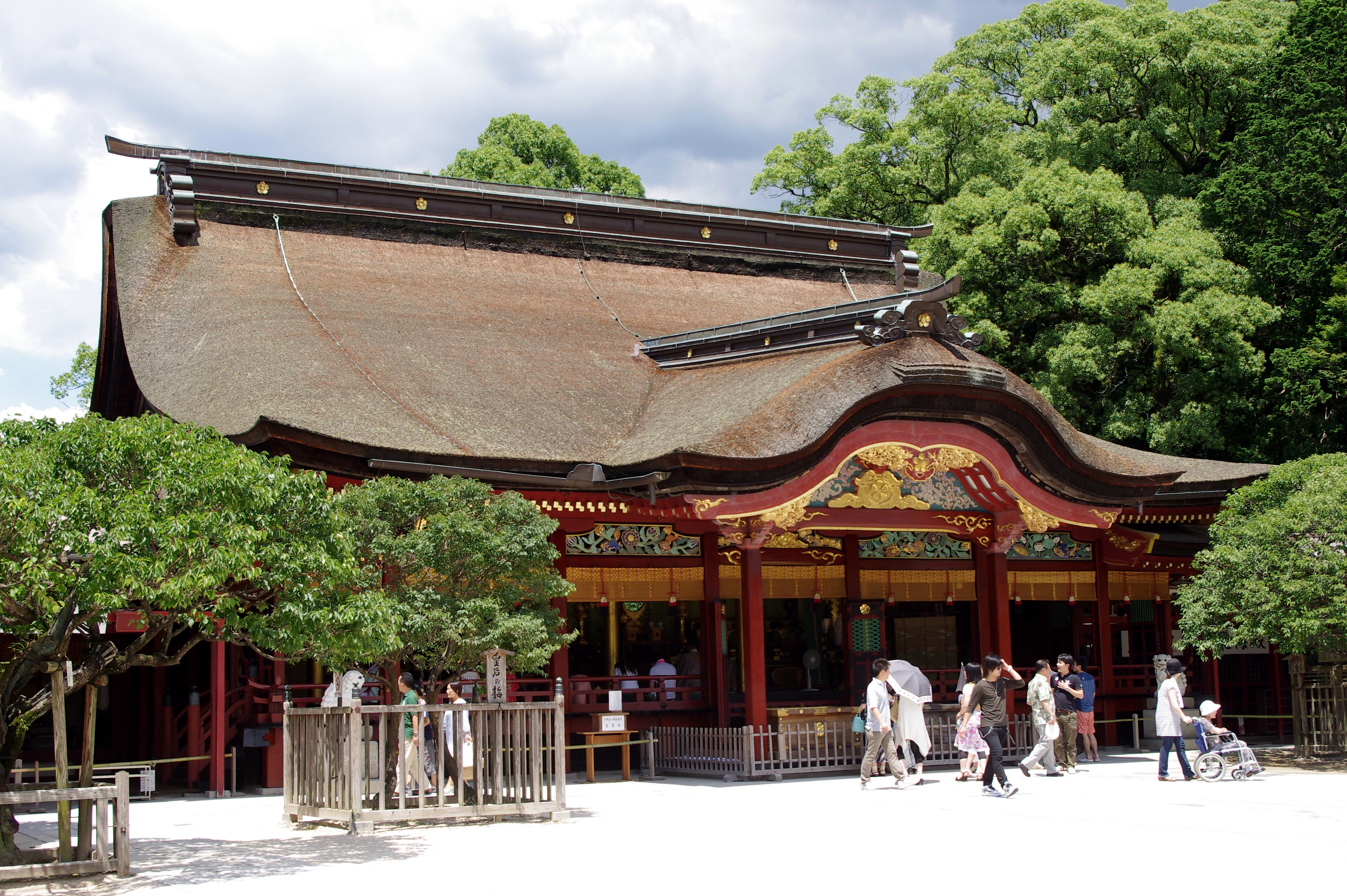
Dazaifu
Historic shrine town 30 minutes south — one of Japan's most important Tenmangu shrines and a leafy escape from the city
Shrine town and scholar's sanctuary
- Tenmangu shrine and two on-site museums
- Cypress-lined grounds
- 30 min by bus from Hakata
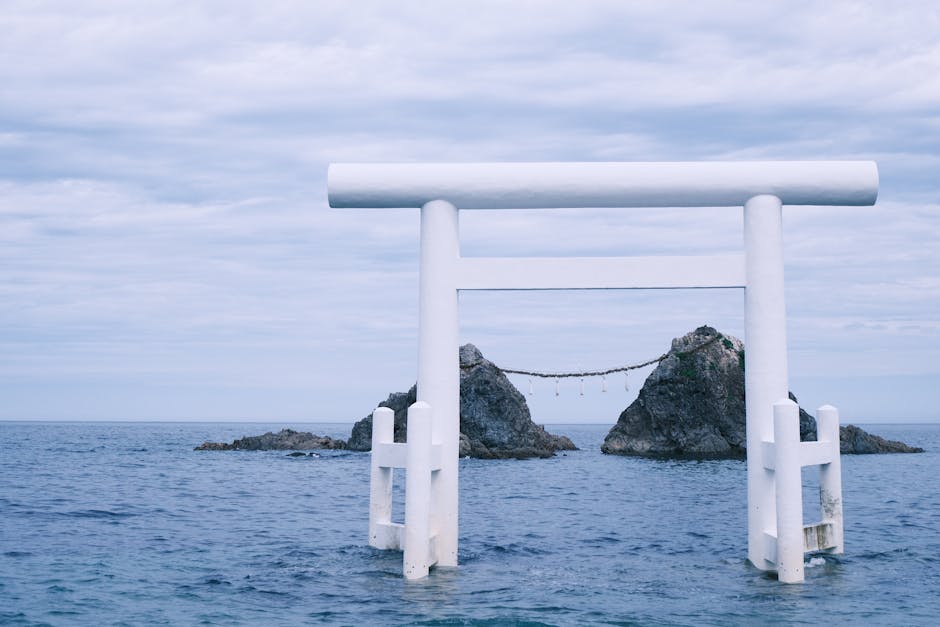
Itoshima
Laid-back coastal town with beaches, cafés, and the photogenic Sakurai Futamigaura sea shrine
Beaches and sea shrine
- Sakurai Futamigaura seaside shrine
- Beach cafés and craft shops
- 30 min by bus from Hakata
Karatsu
Castle town in Saga Prefecture known for centuries-old pottery tradition and a pine-fringed bay
Castle town and pottery
- Karatsu Castle hilltop views
- Karatsu-yaki pottery workshops
- Nijinomatsubara pine grove
Munakata Taisha
UNESCO-listed shrine complex with three sanctuaries and a sacred island off-limits to visitors
UNESCO triple shrine
- Three shrines across land and sea
- Sacred off-limits island of Okinoshima
- Far fewer visitors than Dazaifu
How to Get There
Getting There
- 1Take Tokaido/Sanyo Shinkansen (Nozomi) → Hakata Station
- 2Covered by Japan Rail Pass (Hikari/Kodama services only — Nozomi requires separate ticket)
- 1Take Sanyo Shinkansen (Nozomi or Sakura) → Hakata Station
- 1Take Fukuoka City Subway (Kuko Line) → Hakata Station
- 1Fly to Fukuoka Airport (FUK) — direct flights from major Asian hubs; from London, connect via Tokyo, Osaka, Seoul, or Shanghai → Fukuoka Airport
- 2Take Fukuoka City Subway (Kuko Line) to Hakata Station
Tips for Visiting
- Get an IC card immediately: Sugoca, Nimoca, or Hayakaken work on all city subways, buses, and at convenience stores. Pick one up at Hakata Station on arrival — or pre-order a Fukuoka IC card through Klook to skip the machine queue.
- Subway over taxi: Fukuoka's two-line subway covers Hakata, Tenjin, Ohori Park, and the airport. The Kuko Line alone handles most visitor needs.
- Yatai etiquette: Order at least one drink and one dish per person — these are small operations with limited seats. Don't linger once you've finished if others are waiting.
- Airport proximity: Fukuoka Airport is five minutes by subway from Hakata Station. Schedule accordingly — you can check out late and still make an afternoon flight.
- Cash still matters: Yatai stalls and smaller temples are cash-only. Carry at least ¥5,000 in small bills for evening eating.
- Check seasonal schedules: Kawachi Wisteria Garden and some shrine festivals operate on narrow seasonal windows. Verify dates before building a day around them.
FAQ
How many days do you need in Fukuoka?
Two to three days is the sweet spot. That gives you time for the Hakata temple district, a full evening of yatai stalls, and a day trip to Dazaifu or Itoshima.
Is the JR Pass worth it for getting to Fukuoka?
If you're travelling from Tokyo or Osaka, yes — the shinkansen to Hakata is covered. Note that Nozomi services require a separate ticket; JR Pass holders should take Hikari or Sakura trains instead. Compare JR Pass options and buy online.
What is Fukuoka best known for?
Food — specifically Hakata ramen and the nightly yatai open-air food stalls along the Naka River. The city is also home to Japan's first Zen temple and the spectacular Hakata Gion Yamakasa festival in July.
How do you get from Fukuoka Airport to the city centre?
Take the Fukuoka City Subway (Kuko Line) from the airport to Hakata Station. It takes five minutes and costs ¥260.
Is Fukuoka worth visiting compared to Osaka or Kyoto?
Different experience entirely. Fukuoka is smaller, more relaxed, and far less crowded. The food scene rivals Osaka's without the tourist markup, and day trips to Dazaifu and Itoshima offer variety Kansai can't match at this scale.
What are yatai and where do you find them?
Yatai are open-air food stalls serving ramen, yakitori, gyoza, and oden from small counters. The main clusters sit along the Naka River on Nakasu island and near Tenjin. They open nightly from around 18:00.
Fukuoka City Guide
Fukuoka is closer to Seoul and Shanghai than to Tokyo — and that continental pull defines everything, from the rich tonkotsu broth at its nightly yatai stalls to Japan's first Zen temple tucked into the Hakata backstreets. Kyushu's largest city grew from two towns fused in 1889: the merchant port of Hakata and the castle town of Fukuoka. The result is a compact, fast-moving city where serious food culture, a 13th-century shrine district most tourists never find, and easy access to coastal day trips make it one of Japan's most underrated stops.
When to Visit
Fukuoka's mild climate makes it comfortable year-round, but spring and autumn offer the best balance of weather and crowds.
Springharu
Mar – May10–22°CModerate crowds
Springharu
- Cherry blossoms in Ohori Park and Maizuru Park
- Comfortable temperatures for walking Hakata's temple district
- Golden Week crowds at Dazaifu Tenmangu
Summernatsu
Jun – Aug25–33°CModerate crowds
Summernatsu
- Hakata Gion Yamakasa festival float race in July
- Rainy season through mid-July
- Peak yatai season along the Naka River
Autumnaki
Sep – Nov12–25°CModerate crowds
Autumnaki
- Comfortable walking weather across the city
- Autumn foliage at Dazaifu and Ohori Park
- Fewer international visitors than Kansai
Winterfuyu
Dec – Feb3–10°CLow crowds
Winterfuyu
- Fewest tourists of any season
- Steaming yatai bowls hit different in the cold
- Easy day trips without crowds
What to Do in Fukuoka
Fukuoka rewards walkers and eaters in equal measure. Start in the Hakata temple district, then work outward.
Hakata's 8th-century guardian shrine — locals call it Okushida-san
Hakata's guardian shrine
A lake-centered city park with islands, walking paths, and a Japanese garden on the southern edge
Lakeside park and garden
Open-air food stalls line the riverbanks nightly — Fukuoka's most iconic eating experience
Nightly riverside food stalls
Stone walls and panoramic city views from what was once Kyushu's largest castle
Castle ruins with city views
Japan's first Zen temple, founded in the 12th century — still standing in the quiet Hakata backstreets
Japan's first Zen temple
A hilltop shrine with sweeping views over the city and bay — worth the 15-minute climb from Muromi station
Hilltop shrine, city views
Fukuoka's temple quarter — the same name as Kyoto's Gion, without any of the crowds
Quiet temple quarter
Skip the Crowds
- Swap Kushida for Shofukuji: Japan's first Zen temple sits a few minutes' walk from Kushida Shrine in the same Hakata district, yet draws a fraction of the foot traffic. [v2]
- Hakata's Gion district over Tenjin: The temple-lined streets around Kocho-ji and Kushida Shrine are largely devoid of tourists — a stark contrast to Kyoto's Gion namesake.
- Atago Shrine for the view: Take the subway to Muromi Station, walk uphill for 15 minutes, and get a panoramic sweep of the city and Hakata Bay without another tourist in sight. [v8]
- Ohori Park on weekday mornings: The lake path and Japanese garden are near-empty before 9am — a different experience from the weekend picnic crowds. [v3]
- Yatai timing: The riverside stalls peak around 20:00–21:00. Arrive at 18:00 or after 22:00 for open seats and unhurried conversation with the cook.
Food & Drink
Fukuoka is a ramen city first, but the yatai stalls and backstreet izakaya push well beyond tonkotsu. If you want a guided introduction to the city's food scene, booking a Fukuoka yatai food tour through Viator is a good way to get the context and the best seats in one evening.
Shin Shin Ramen (博多めん処 新新)$
One of Fukuoka's most reliable tonkotsu spots, with a permanent queue that moves fast
TenjinCheck availability →Nakasu Yatai Stalls
A small row of food stalls on Nakasu island — arrive by 18:00 or after 22:00 to skip the wait
NakasuCheck availability →Hakata Motsunabe Ooyama (博多もつ鍋おおやま)
A local favourite for motsunabe with multiple locations around Hakata and Tenjin
HakataCheck availability →Where to Stay
Hakata Station is the most practical base — direct shinkansen access, subway lines, and yatai stalls within walking distance. You can compare hotels near Hakata Station on Booking.com to find the right fit across all budgets.
With The Style Fukuoka$$$
4-star boutique with garden, sauna, and hot tub near Otowa Park
HakataCheck availability →Tokyu Stay Hakata$$
Reliable mid-range option steps from Hakata Station with solid breakfast
HakataCheck availability →WeBase Hakata$
Clean, social hostel — a good budget base for solo travellers exploring Kyushu
HakataCheck availability →Day Trips
Fukuoka's position on the northern Kyushu coast puts historic towns, coastal scenery, and sacred shrines within easy reach. Dazaifu and Itoshima are the easiest half-day options from the city; if you'd prefer a guided outing, Klook's Dazaifu day tours include transport and a local guide.
Dazaifu
Historic shrine town 30 minutes south — one of Japan's most important Tenmangu shrines and a leafy escape from the city
Shrine town and scholar's sanctuary
- Tenmangu shrine and two on-site museums
- Cypress-lined grounds
- 30 min by bus from Hakata
Itoshima
Laid-back coastal town with beaches, cafés, and the photogenic Sakurai Futamigaura sea shrine
Beaches and sea shrine
- Sakurai Futamigaura seaside shrine
- Beach cafés and craft shops
- 30 min by bus from Hakata
Karatsu
Castle town in Saga Prefecture known for centuries-old pottery tradition and a pine-fringed bay
Castle town and pottery
- Karatsu Castle hilltop views
- Karatsu-yaki pottery workshops
- Nijinomatsubara pine grove
Munakata Taisha
UNESCO-listed shrine complex with three sanctuaries and a sacred island off-limits to visitors
UNESCO triple shrine
- Three shrines across land and sea
- Sacred off-limits island of Okinoshima
- Far fewer visitors than Dazaifu
How to Get There
Getting There
- 1Take Tokaido/Sanyo Shinkansen (Nozomi) → Hakata Station
- 2Covered by Japan Rail Pass (Hikari/Kodama services only — Nozomi requires separate ticket)
- 1Take Sanyo Shinkansen (Nozomi or Sakura) → Hakata Station
- 1Take Fukuoka City Subway (Kuko Line) → Hakata Station
- 1Fly to Fukuoka Airport (FUK) — direct flights from major Asian hubs; from London, connect via Tokyo, Osaka, Seoul, or Shanghai → Fukuoka Airport
- 2Take Fukuoka City Subway (Kuko Line) to Hakata Station
Tips for Visiting
- Get an IC card immediately: Sugoca, Nimoca, or Hayakaken work on all city subways, buses, and at convenience stores. Pick one up at Hakata Station on arrival — or pre-order a Fukuoka IC card through Klook to skip the machine queue.
- Subway over taxi: Fukuoka's two-line subway covers Hakata, Tenjin, Ohori Park, and the airport. The Kuko Line alone handles most visitor needs.
- Yatai etiquette: Order at least one drink and one dish per person — these are small operations with limited seats. Don't linger once you've finished if others are waiting.
- Airport proximity: Fukuoka Airport is five minutes by subway from Hakata Station. Schedule accordingly — you can check out late and still make an afternoon flight.
- Cash still matters: Yatai stalls and smaller temples are cash-only. Carry at least ¥5,000 in small bills for evening eating.
- Check seasonal schedules: Kawachi Wisteria Garden and some shrine festivals operate on narrow seasonal windows. Verify dates before building a day around them.
FAQ
How many days do you need in Fukuoka?
Two to three days is the sweet spot. That gives you time for the Hakata temple district, a full evening of yatai stalls, and a day trip to Dazaifu or Itoshima.
Is the JR Pass worth it for getting to Fukuoka?
If you're travelling from Tokyo or Osaka, yes — the shinkansen to Hakata is covered. Note that Nozomi services require a separate ticket; JR Pass holders should take Hikari or Sakura trains instead. Compare JR Pass options and buy online.
What is Fukuoka best known for?
Food — specifically Hakata ramen and the nightly yatai open-air food stalls along the Naka River. The city is also home to Japan's first Zen temple and the spectacular Hakata Gion Yamakasa festival in July.
How do you get from Fukuoka Airport to the city centre?
Take the Fukuoka City Subway (Kuko Line) from the airport to Hakata Station. It takes five minutes and costs ¥260.
Is Fukuoka worth visiting compared to Osaka or Kyoto?
Different experience entirely. Fukuoka is smaller, more relaxed, and far less crowded. The food scene rivals Osaka's without the tourist markup, and day trips to Dazaifu and Itoshima offer variety Kansai can't match at this scale.
What are yatai and where do you find them?
Yatai are open-air food stalls serving ramen, yakitori, gyoza, and oden from small counters. The main clusters sit along the Naka River on Nakasu island and near Tenjin. They open nightly from around 18:00.