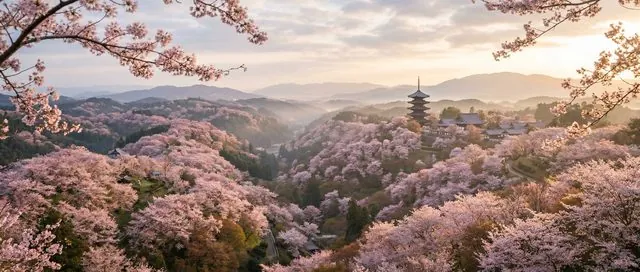
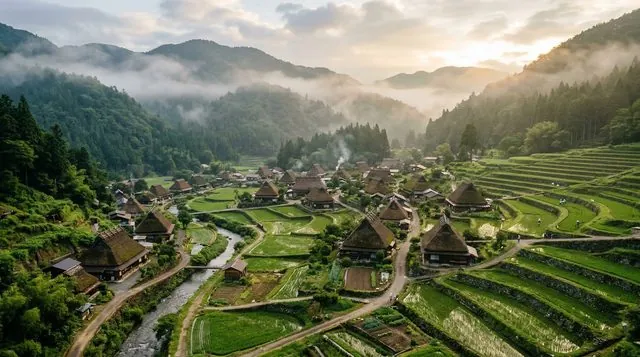
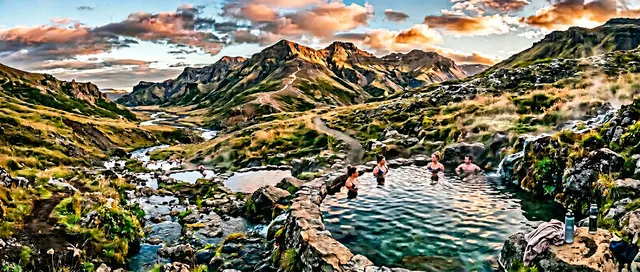
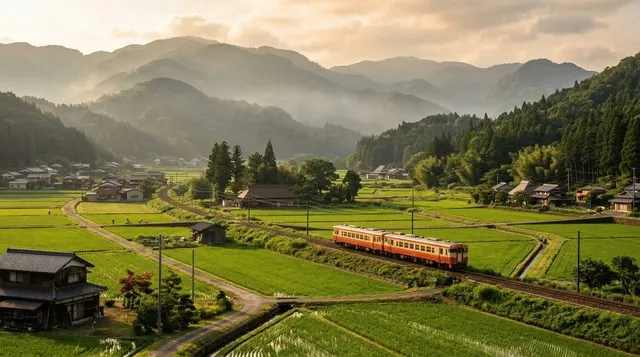

Wakayama Prefecture unfolds south of Osaka as Japan's spiritual heartland — home to the sacred Kumano Kodo pilgrimage trails, the monastic retreat of Mount Koya, and a rugged Pacific coastline where ancient shrines meet pristine beaches. While most travelers rush between Kyoto and Hiroshima, this peninsula holds some of Japan's most profound cultural experiences.
Cities & Towns
From sacred mountain monasteries to coastal fishing villages, Wakayama's settlements reflect centuries of pilgrimage and maritime tradition.
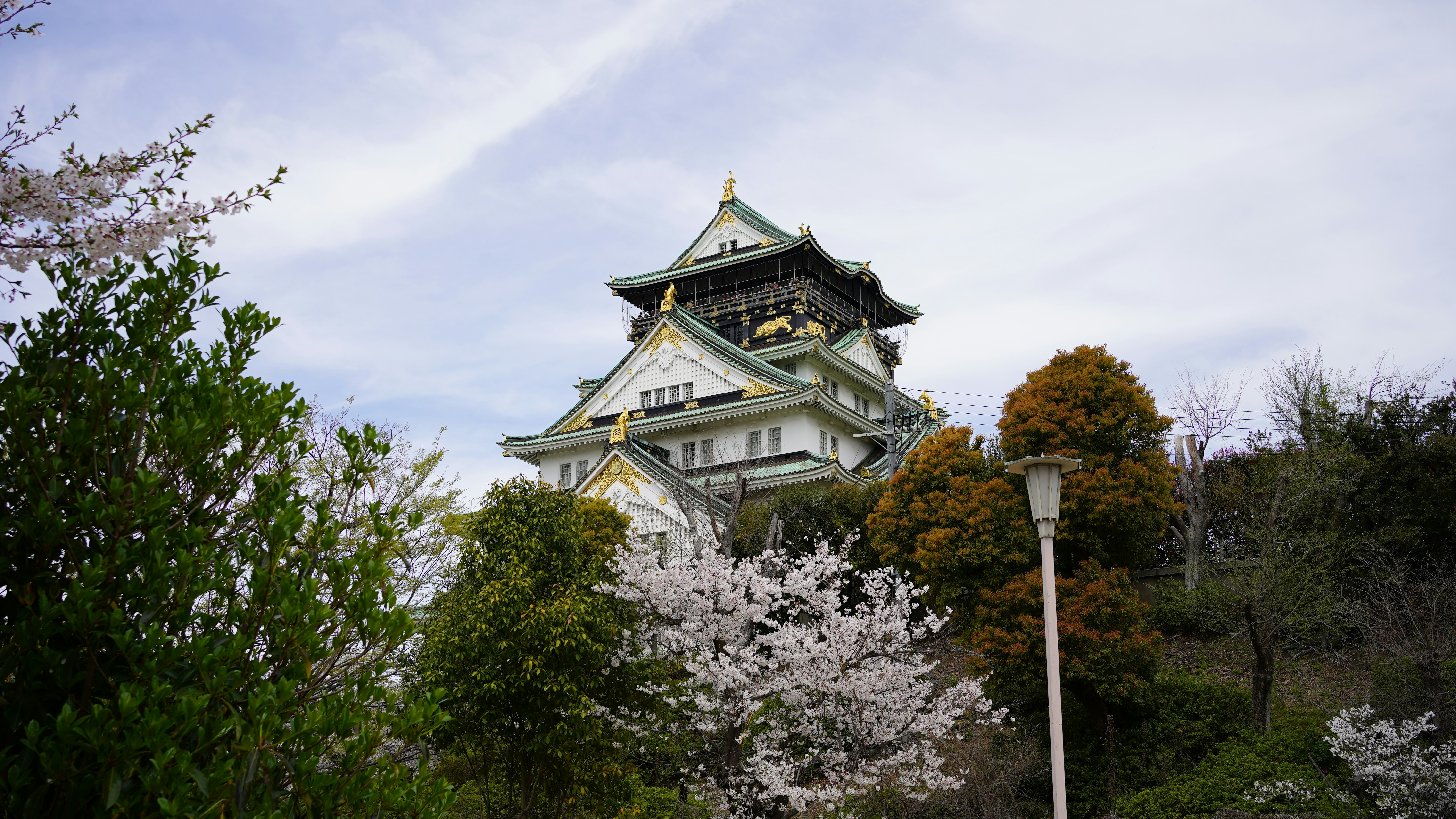
Wakayama City
Castle town turned modern capital with excellent seafood and easy access to Koyasan
Castle town capital
- Wakayama Castle
- Fresh seafood markets
- Gateway to Koyasan
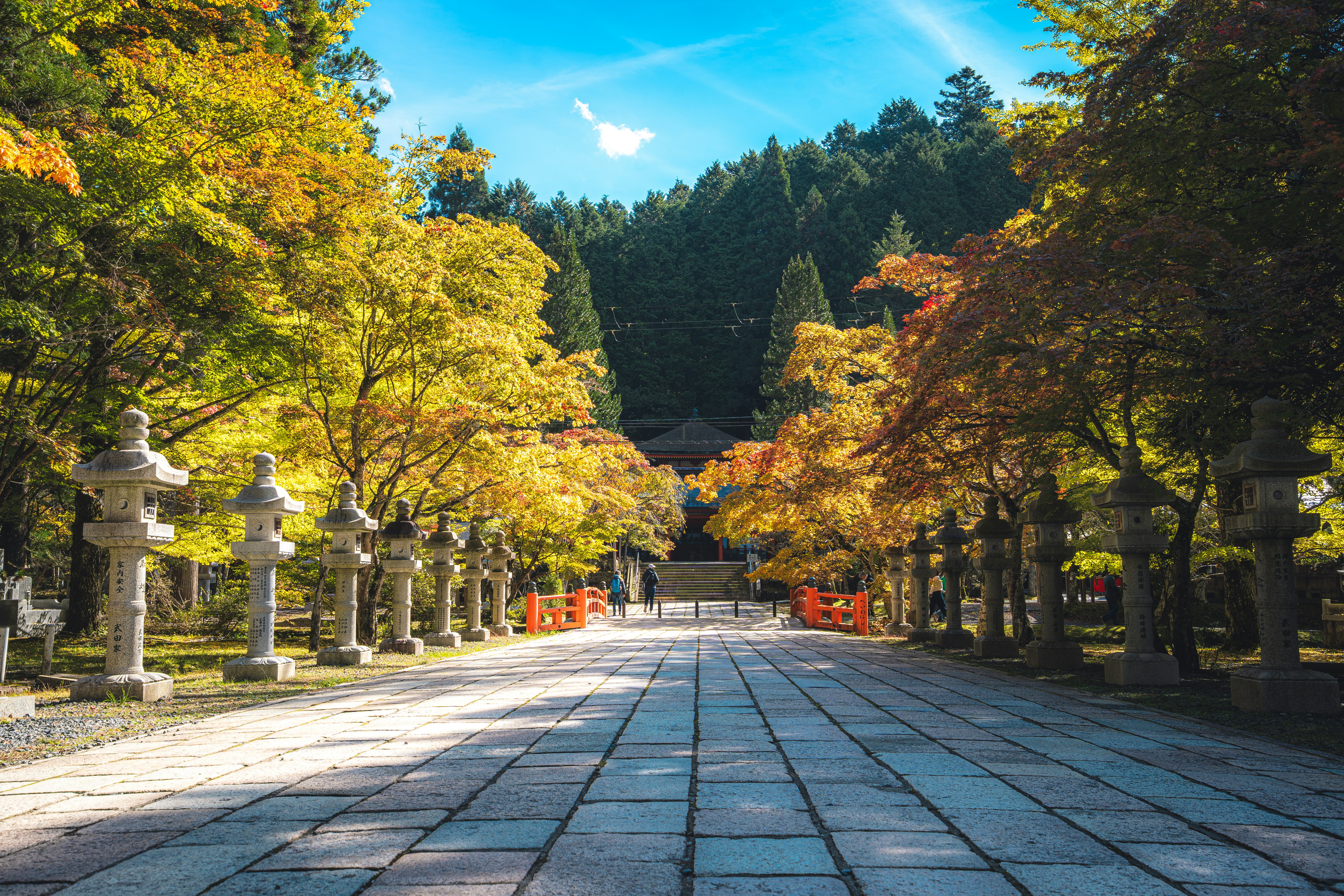
Koyasan
Japan's most sacred Buddhist site where pilgrims sleep in 1,200-year-old temples
Sacred Buddhist mountain
- Temple lodging (shukubo)
- Okunoin cemetery
- Buddhist meditation
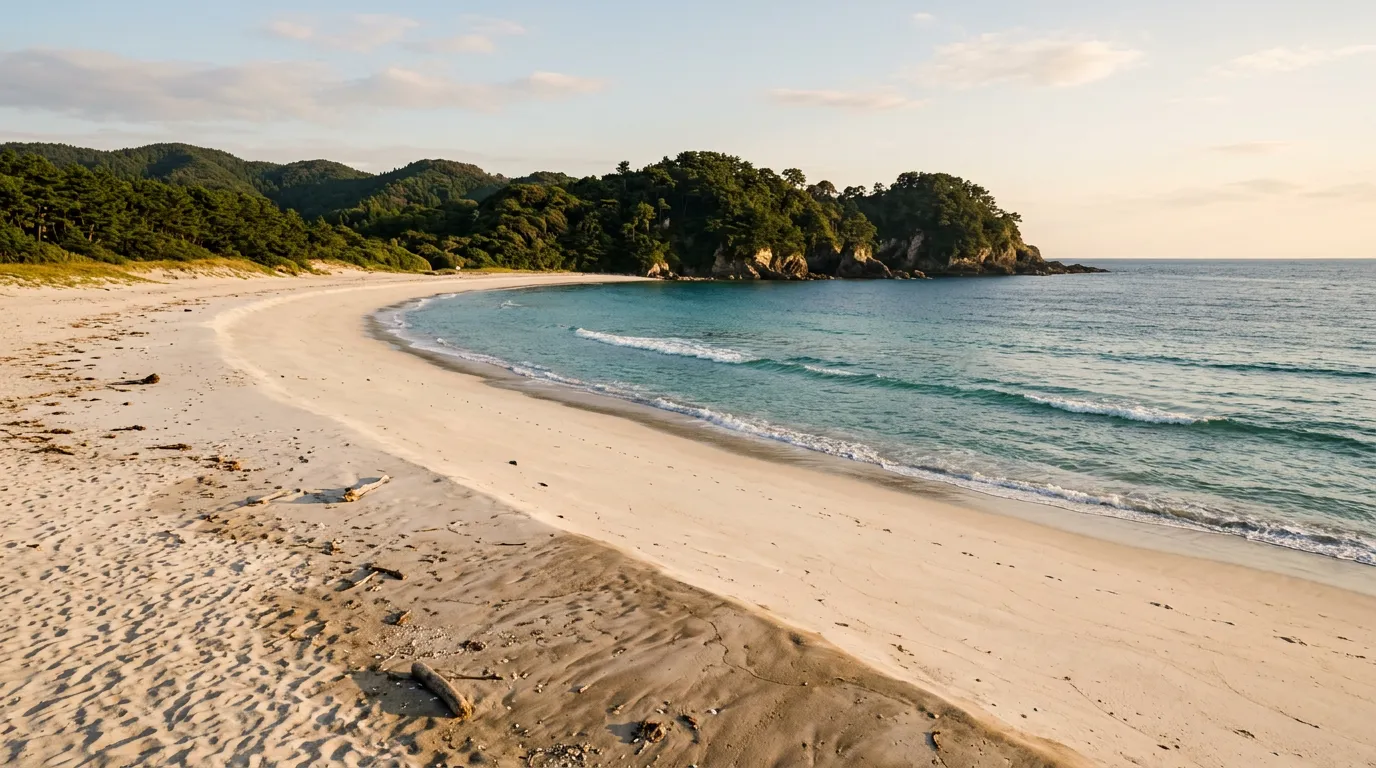
Shirahama
White sand beaches and ancient hot springs — Japan's answer to tropical paradise
Beach resort town
- White sand beaches
- Saki-no-yu onsen
- Adventure World panda park
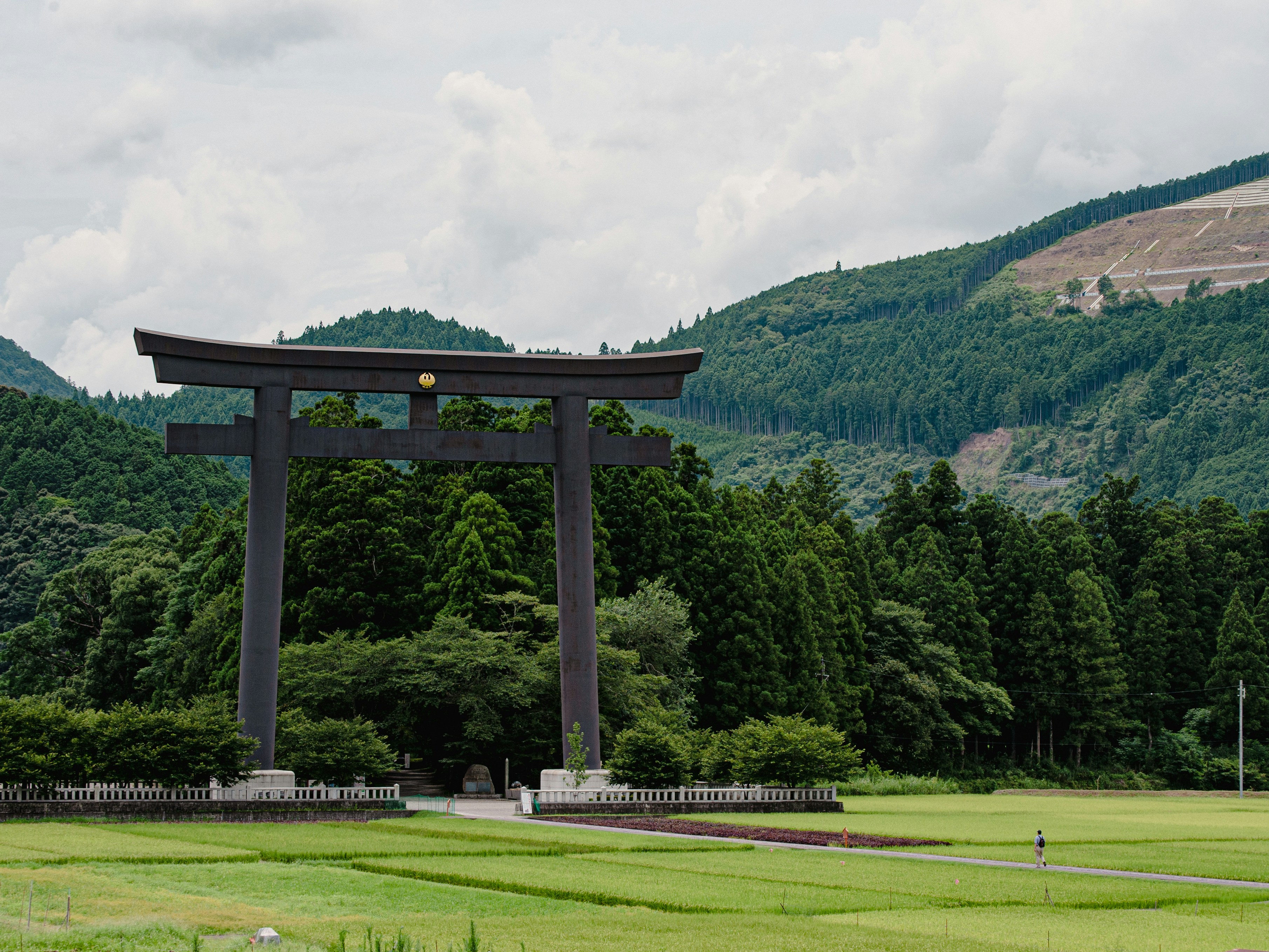
Tanabe
Gateway to the Kumano Kodo pilgrimage trails with traditional ryokan and mountain access
Kumano Kodo gateway
- Kumano Kodo trails
- Traditional ryokan
- Mountain pilgrimage routes
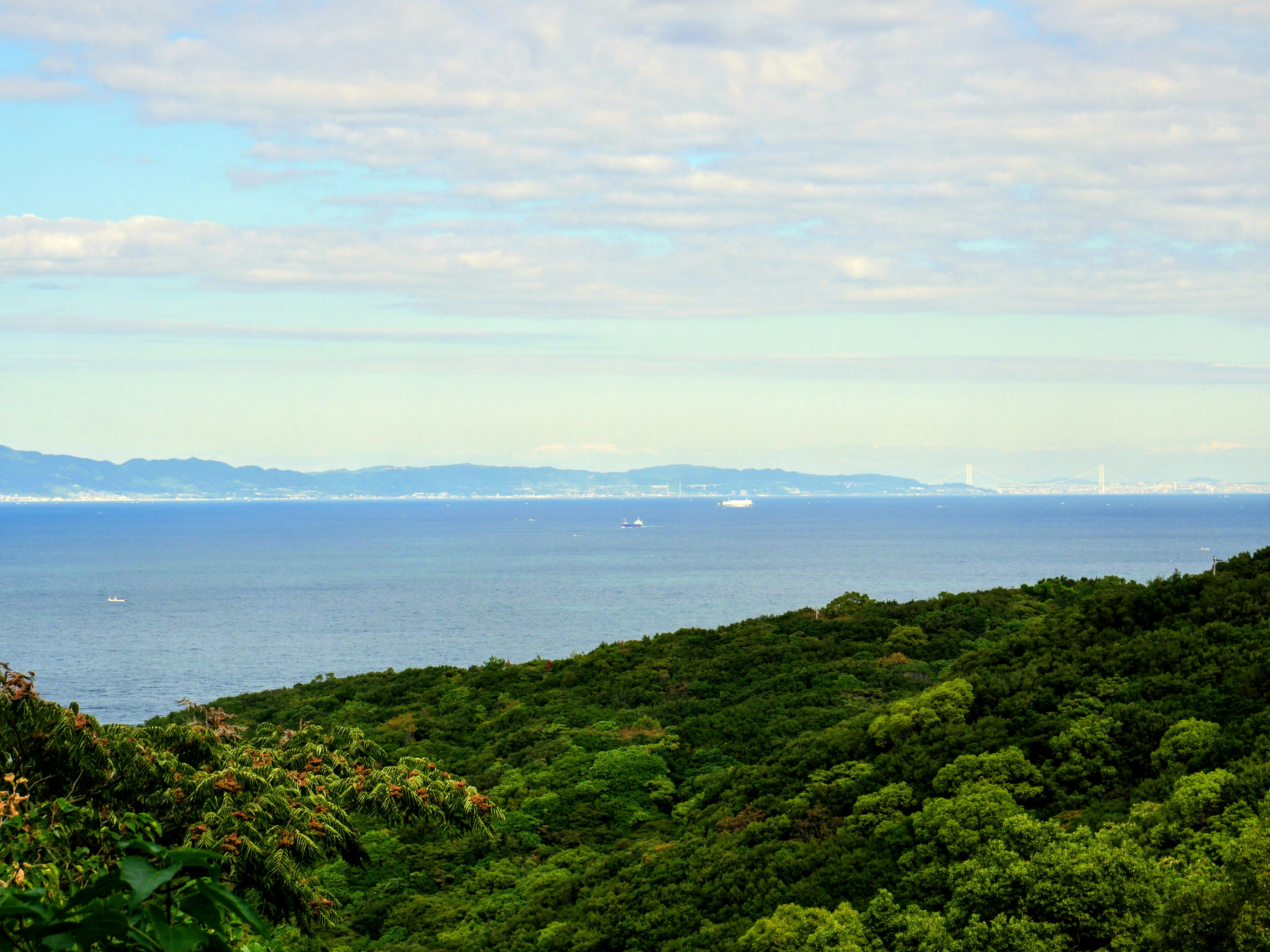
Kushimoto
Japan's southernmost point on Honshu with dramatic coastlines and pristine diving
Southernmost point
- Cape Shionomisaki
- Coral reefs
- Coastal hiking trails
Top Attractions
Sacred mountains, ancient pilgrimage trails, and coastal wonders that define Japan's spiritual landscape.
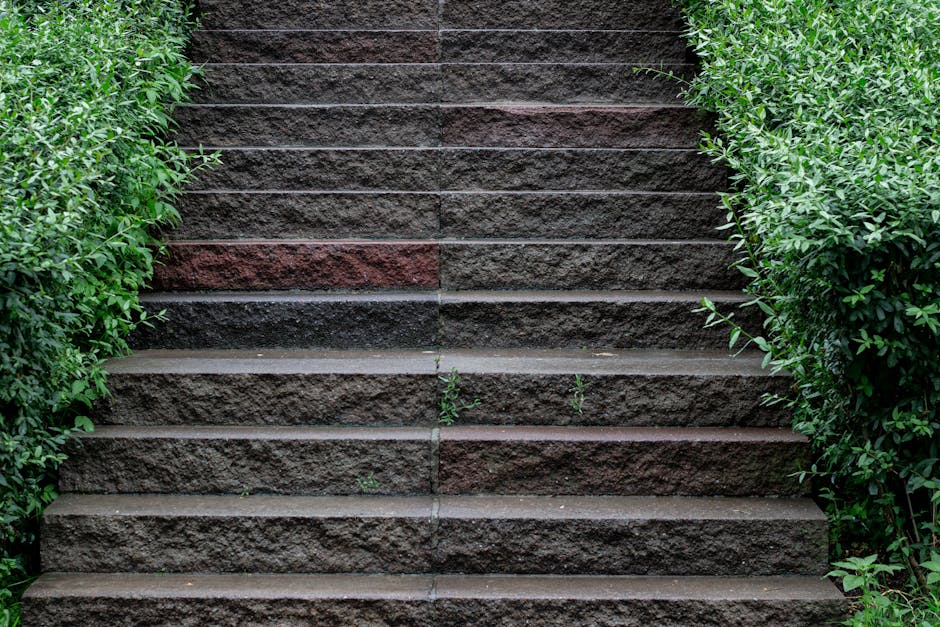
Kumano Kodo Trails
Ancient pilgrimage paths through misty mountains where emperors and commoners sought spiritual awakening
Sacred pilgrimage trails
- UNESCO World Heritage
- Multi-day hiking routes
- Sacred Kumano shrines
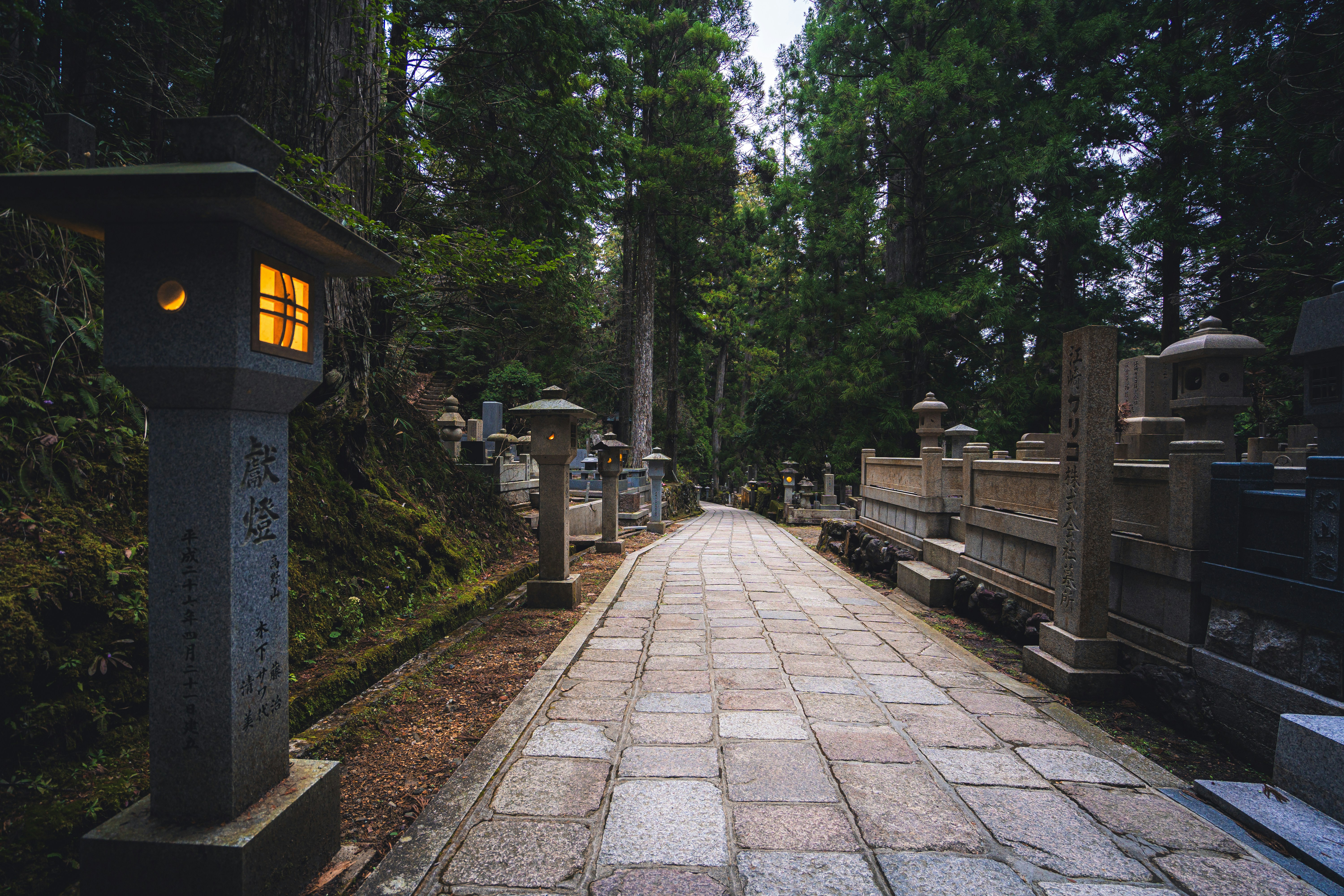
Okunoin Cemetery
Japan's largest cemetery where 200,000 graves create a mystical forest leading to Kobo Daishi's mausoleum
Sacred cemetery forest
- Kobo Daishi mausoleum
- Ancient stone lanterns
- Midnight lantern ceremonies
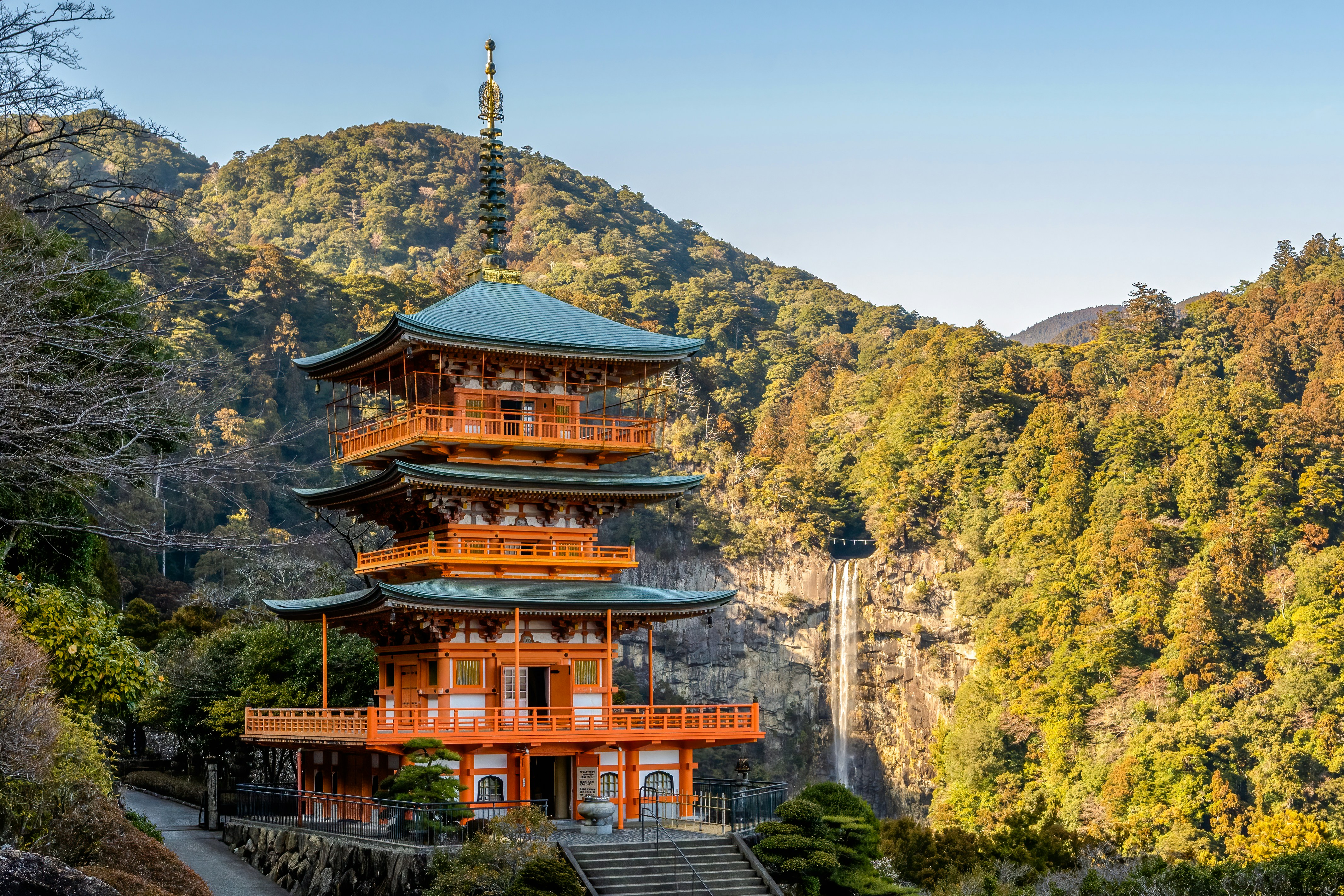
Nachi Falls
Japan's tallest waterfall plunging 133 meters beside a vermillion pagoda in sacred Kumano
Japan's tallest waterfall
- 133-meter waterfall
- Seiganto-ji Temple
- Kumano Nachi Taisha
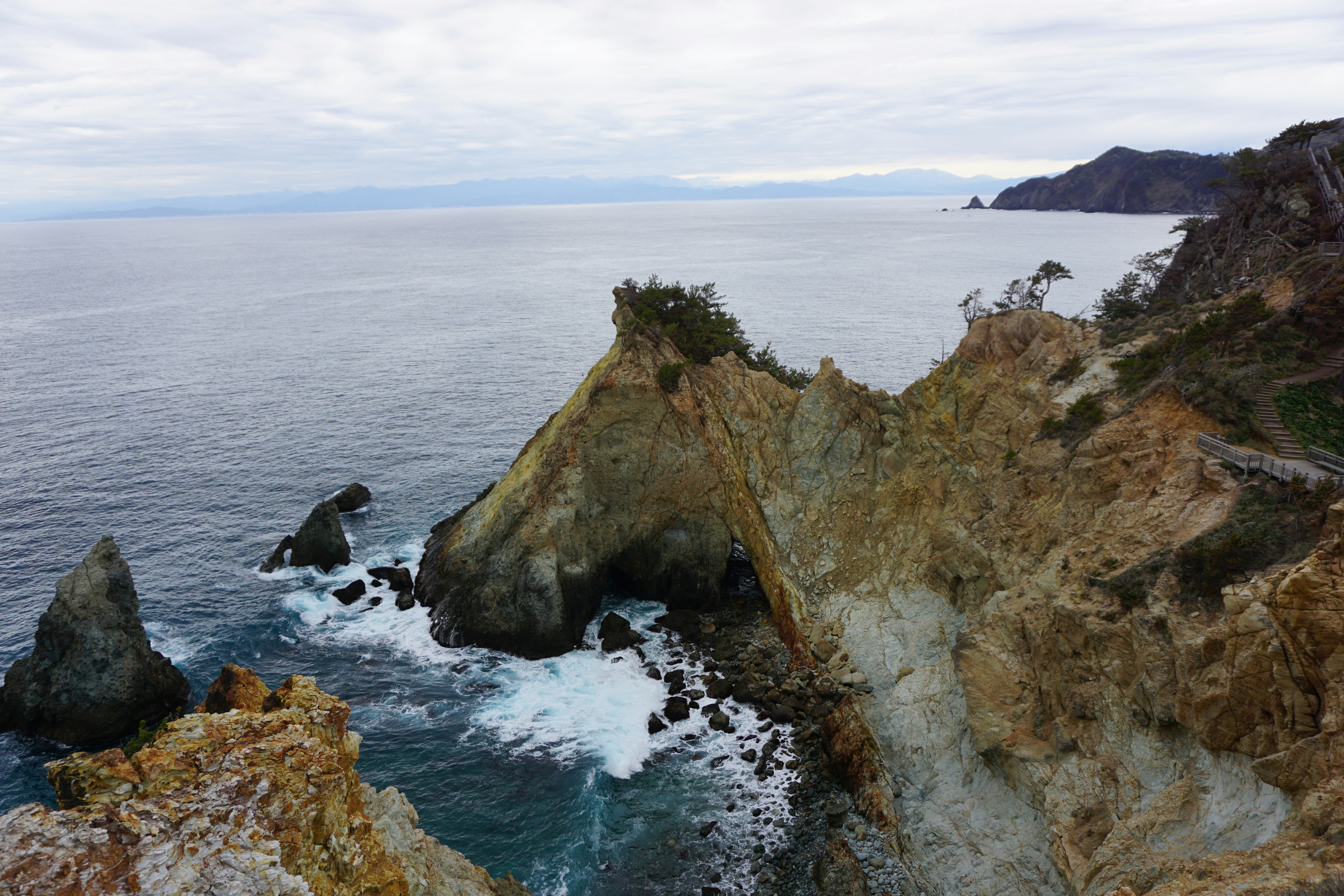
Sandanbeki Cliffs
Dramatic 50-meter sea cliffs hiding underground caves where pirates once sheltered their treasure
Dramatic sea cliffs
- 50-meter sea cliffs
- Underground cave system
- Sunset viewing platform
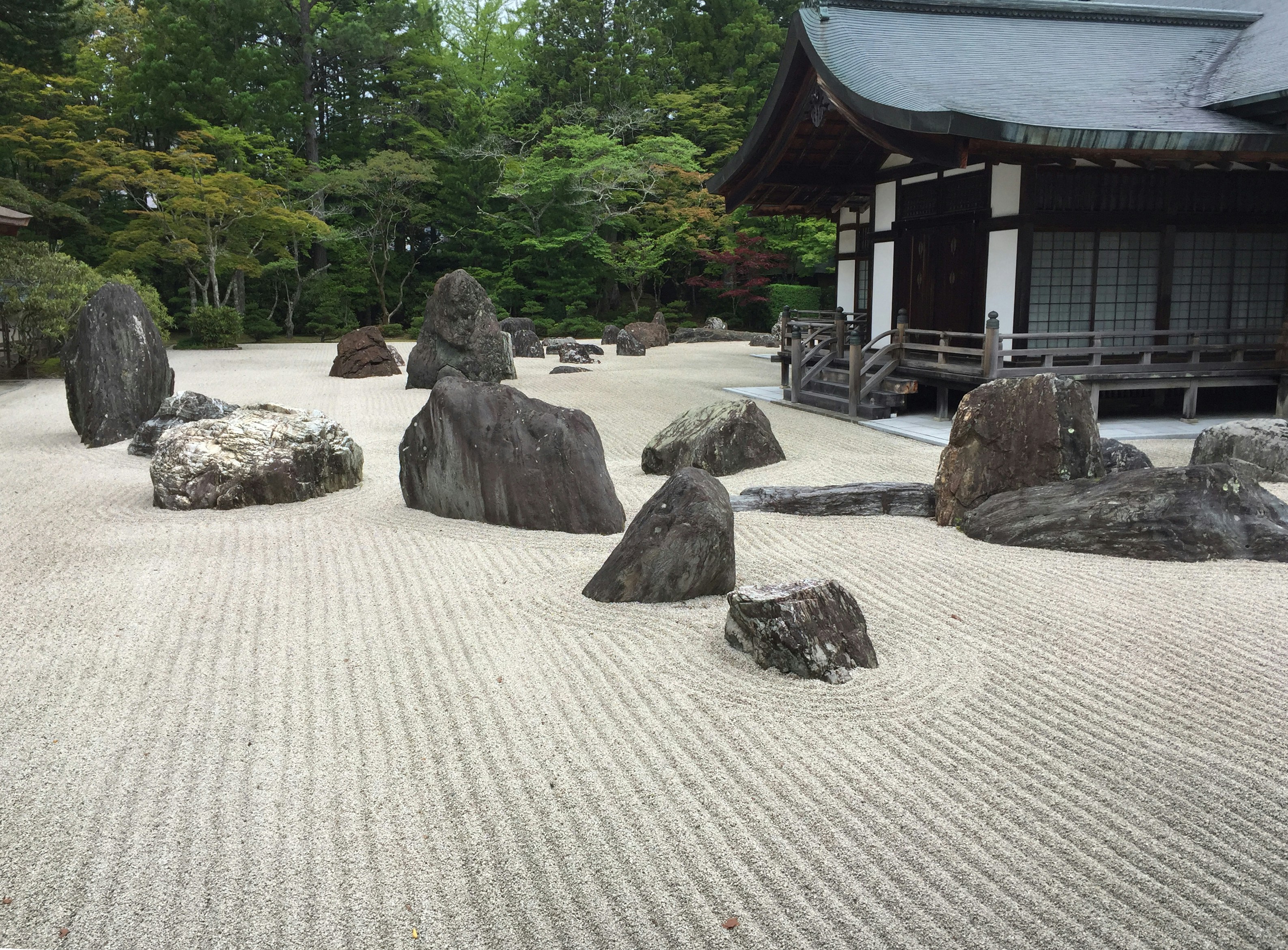
Kongobu-ji Temple
Head temple of Shingon Buddhism with Japan's largest rock garden and 1,200 years of monastic tradition
Shingon Buddhism headquarters
- Largest rock garden
- Shingon Buddhism center
- Traditional temple architecture

Aventureland
Home to Japan's largest panda family with giant pandas, safari experiences, and marine shows
Panda paradise
- Giant panda breeding
- Safari park
- Marine mammal shows
Hidden Gems
Beyond the famous pilgrimage trails lie Wakayama's secret corners — pristine islands, hidden valleys, and coastal villages untouched by mass tourism.
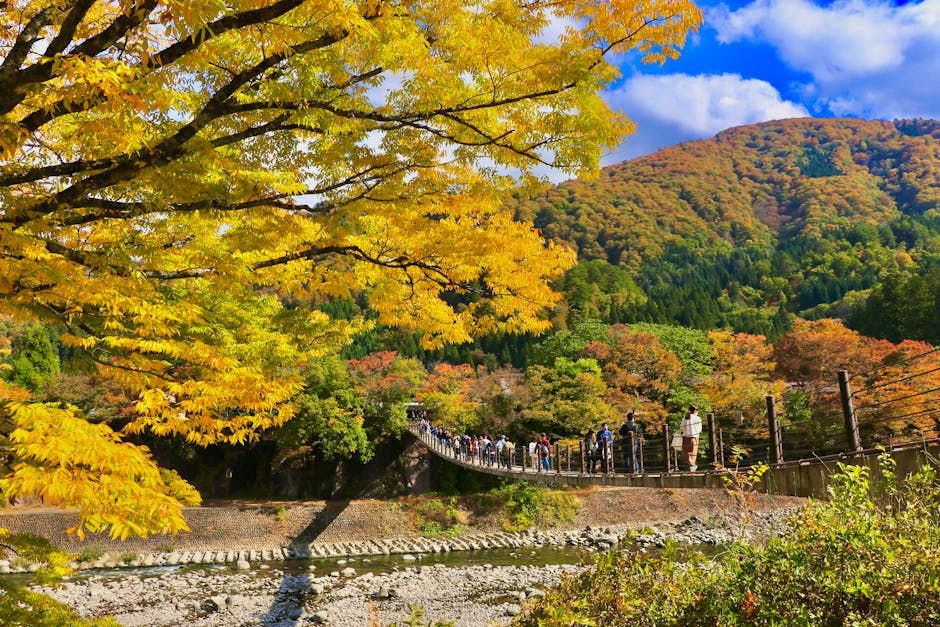
Kozagawa
Remote river valley where ancient suspension bridges span emerald gorges and time moves at mountain pace
Hidden river valley
- Suspension bridge walks
- River gorge hiking
- Mountain village life
Tomogashima Island
Abandoned fortress island with crumbling military ruins and panoramic Inland Sea views just 20 minutes from Wakayama
Fortress island ruins
- Military fortress ruins
- Hiking trails
- Panoramic sea views
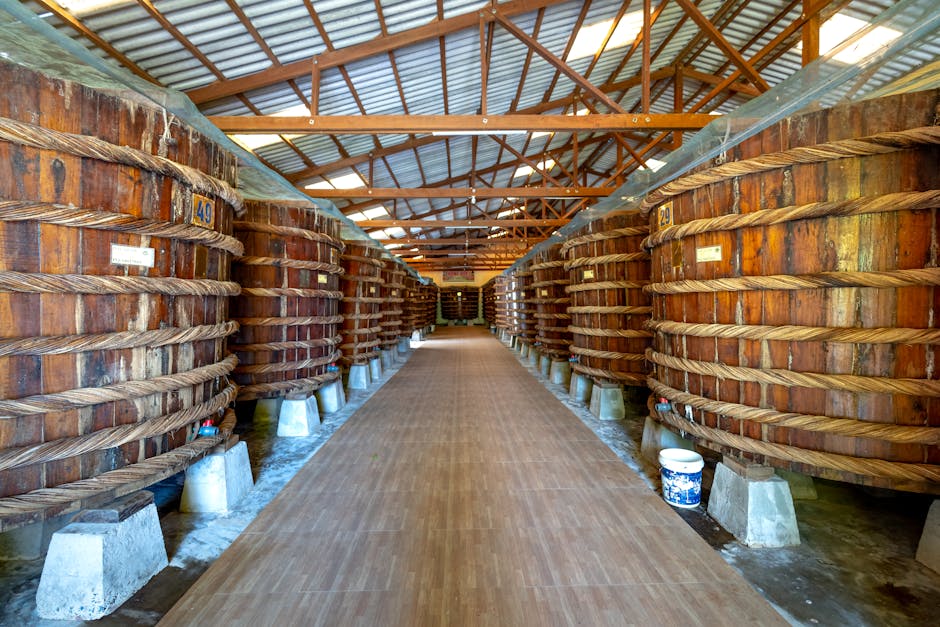
Yuasa
Birthplace of soy sauce where Edo-period breweries still ferment in wooden vats along historic streets
Soy sauce birthplace
- Historic soy sauce breweries
- Edo-period architecture
- Traditional fermentation tours
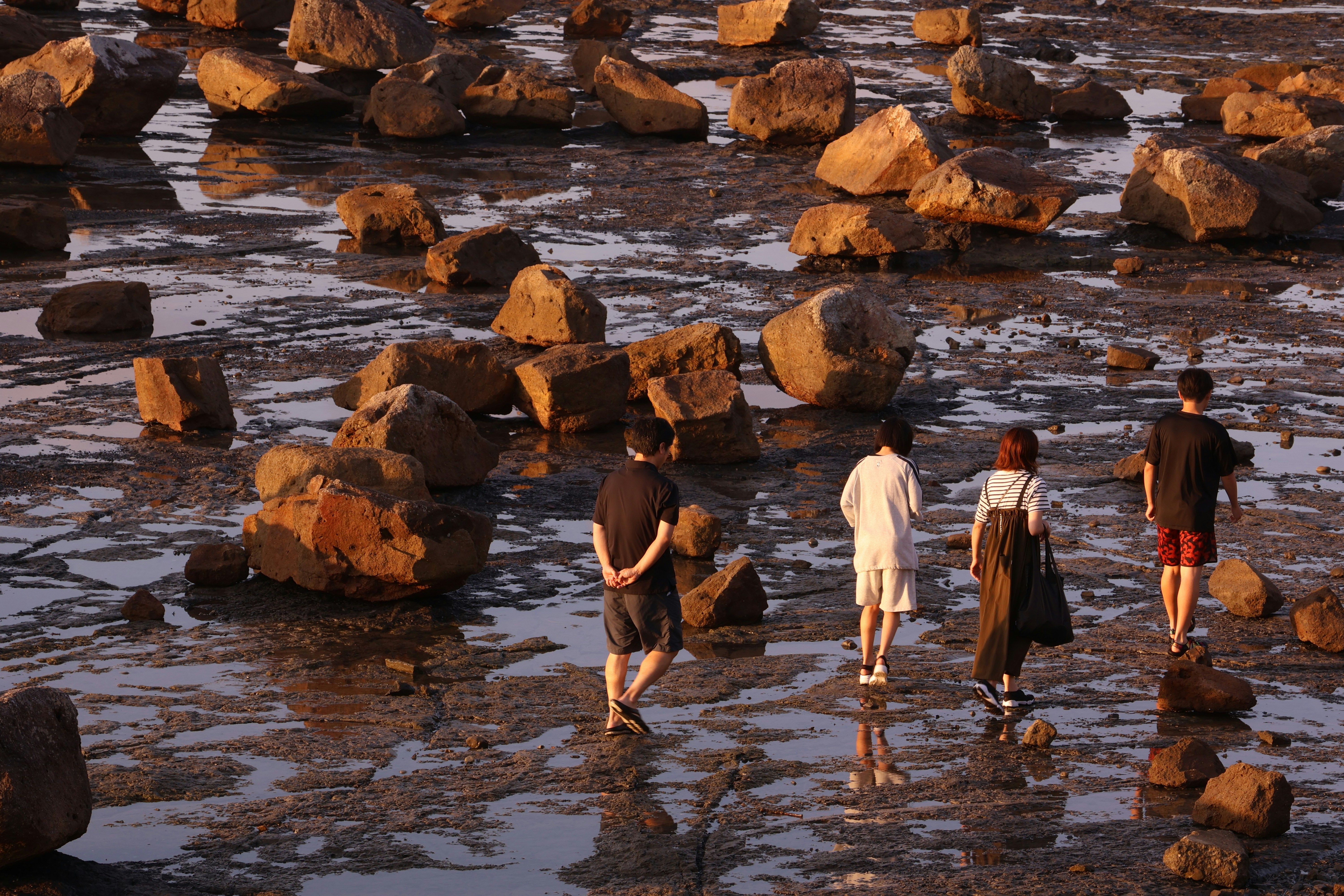
Kushimoto
Japan's southernmost point on Honshu where dramatic rock formations meet the Pacific at Turkey Rock
Southernmost cape
- Hashigui-iwa rocks
- Southernmost lighthouse
- Coastal hiking trails
When to Visit
Wakayama's spiritual sites and coastal beauty shine year-round, but timing affects everything from pilgrimage conditions to beach weather.
Springharu
Mar–May12–21°CModerate crowds
Springharu
- Cherry blossoms at Wakayama Castle
- Perfect hiking weather on Kumano Kodo
- Mild temperatures for temple stays
Summernatsu
Jun–Aug26–32°CHigh crowds
Summernatsu
- Beach season in Shirahama
- Rainy season affects mountain trails
- Festival season across the prefecture
Autumnaki
Sep–Nov12–24°CModerate crowds
Autumnaki
- Spectacular foliage on sacred mountains
- Ideal pilgrimage weather
- Clear coastal views
Winterfuyu
Dec–Feb3–11°CLow crowds
Winterfuyu
- Hot spring season peaks
- Fewer pilgrims on Kumano trails
- Crisp mountain air at Koyasan
Suggested Itineraries
From spiritual mountain retreats to coastal adventures, these curated routes capture Wakayama's sacred and natural highlights.
FAQ
Is the JR Pass worth it for exploring Wakayama?
Probably not. Most of Wakayama's attractions require local trains and buses not covered by the JR Pass. The Nankai Railway to Koyasan and local buses to Kumano Kodo trailheads add up to less than a JR Pass costs. Calculate your specific routes first.
How difficult are the Kumano Kodo trails?
The main Nakahechi route is moderate — well-maintained stone paths with steep sections. Most day hikes take 4-6 hours. The Kohechi route is challenging mountain terrain for experienced hikers only. All trails require proper hiking boots and weather preparation.
Do I need to book temple lodging at Koyasan in advance?
Yes, especially March-November and weekends. Temple lodging (shukubo) fills up weeks ahead during cherry blossom and autumn foliage seasons. Book through the Koyasan Shukubo Association or individual temple websites.
What's the best base for exploring Wakayama Prefecture?
Depends on your focus. Wakayama City for overall access and modern amenities. Koyasan for spiritual experiences but limited dining options. Tanabe for Kumano Kodo access. Shirahama for beaches and hot springs. Most visitors split time between two bases.
Can I visit Wakayama as a day trip from Osaka?
Wakayama City and Koyasan work as long day trips from Osaka (1-2 hours each way). But you'll miss the spiritual depth that comes from staying overnight at temples or completing multi-day Kumano Kodo sections. Plan at least 2-3 days to appreciate what makes Wakayama special.
When do the beaches in Shirahama get crowded?
Peak crowds hit during Golden Week (late April-early May), summer holidays (July-August), and three-day weekends. Early morning and late afternoon offer the best beach experience even in busy seasons. Winter visits mean empty beaches but cold water.