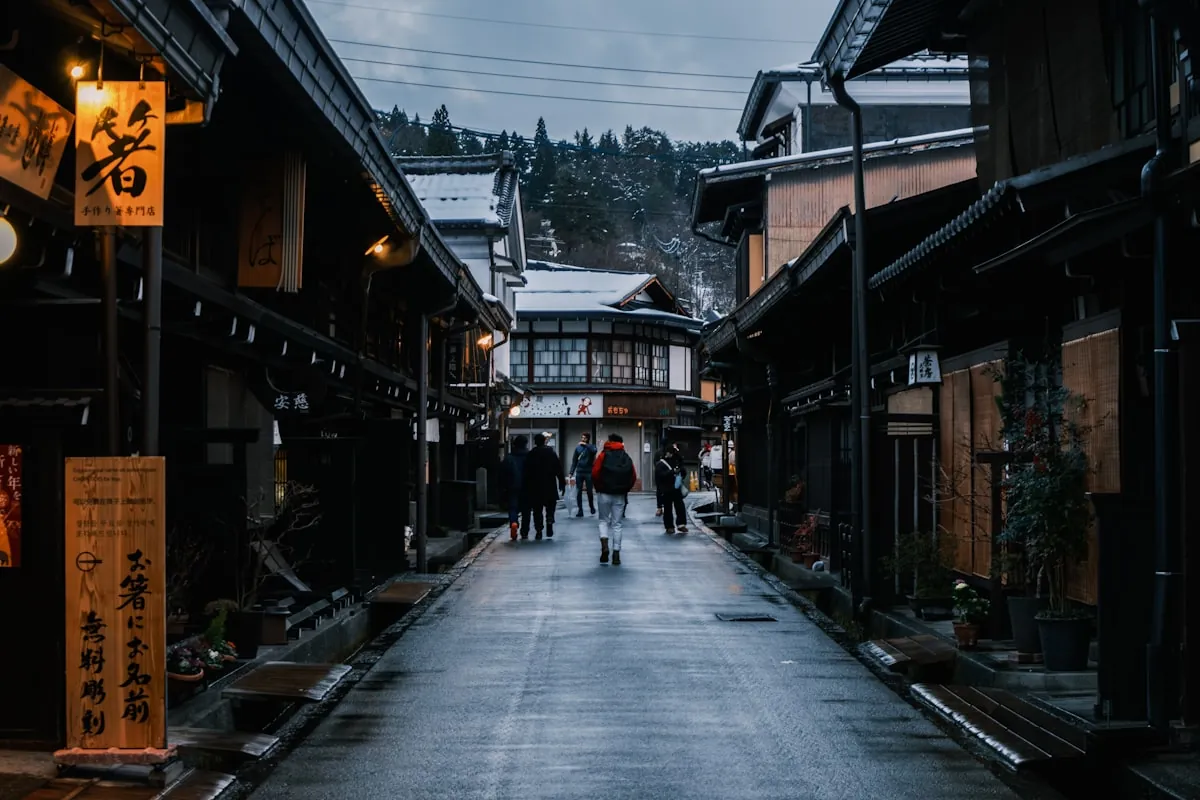
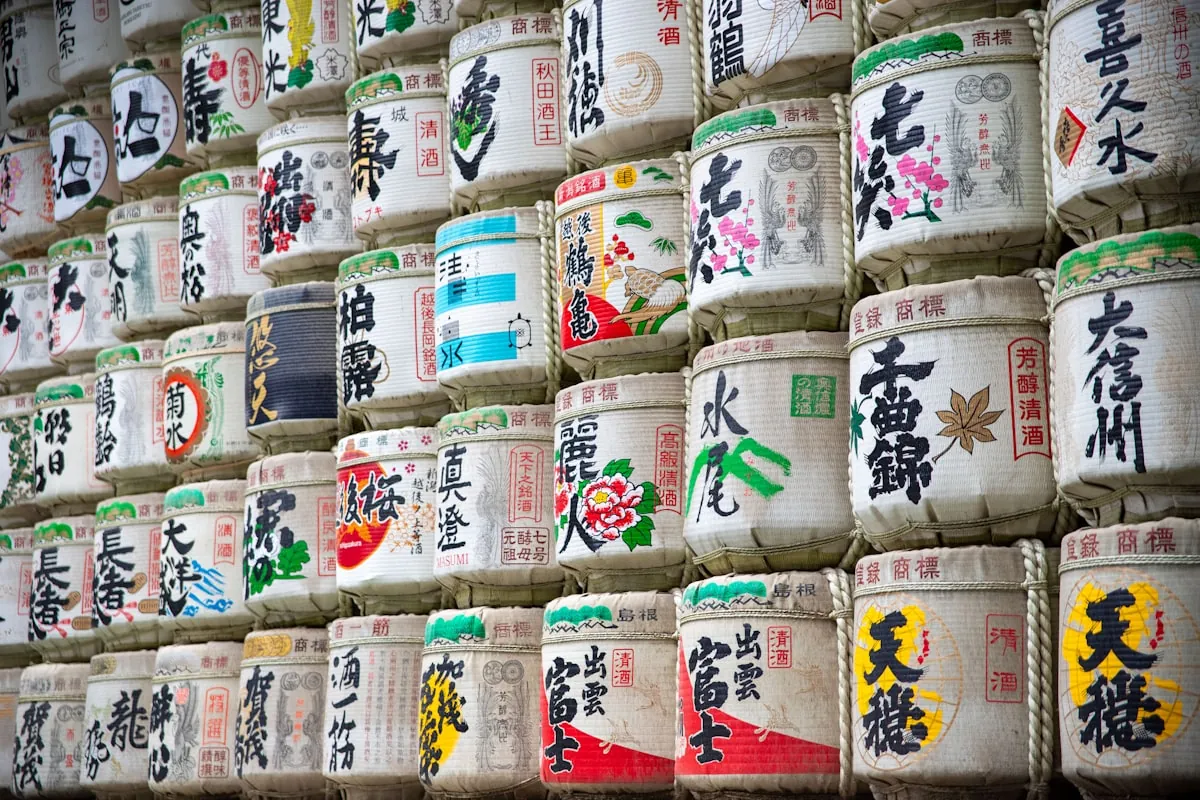
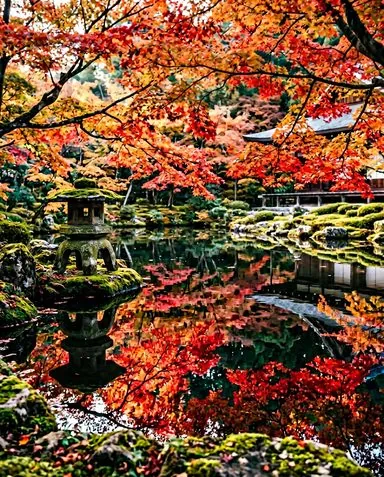

Nara Prefecture is where Japan's story began — home to the ancient capital where deer roam freely through temple grounds and the country's oldest wooden structures still stand. Beyond Nara city's famous temples, this compact prefecture reveals Buddhist mountain monasteries, traditional craft villages, and hiking trails through some of Kansai's most pristine wilderness.
Cities & Towns
From the ancient capital to mountain temple towns, each destination tells part of Japan's founding story.
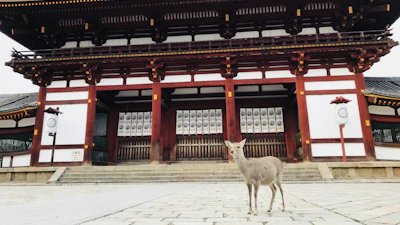
Nara
Japan's first permanent capital where sacred deer wander between UNESCO World Heritage temples
Ancient capital with deer
- Todaiji Temple
- Kasuga Taisha
- Nara Park deer
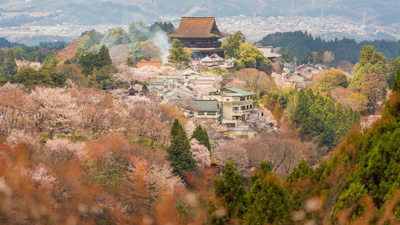
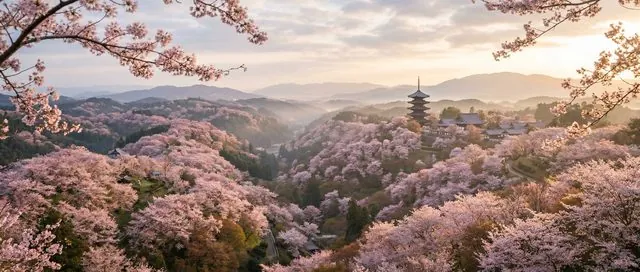
Yoshino
Sacred mountain town famous for 30,000 cherry trees and centuries-old pilgrimage trails
Mountain cherry blossoms
- 30,000 cherry trees
- Kinpusenji Temple
- Kumano Kodo trails
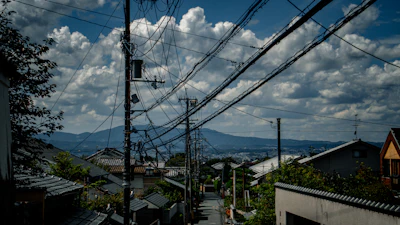
Ikoma
Hillside city between Nara and Osaka with cable cars, temples, and panoramic Kansai views
Mountain views near Osaka
- Hozanji Temple
- Cable car rides
- Kansai plain views
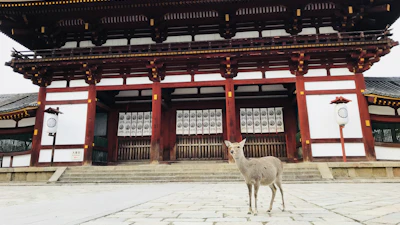
Kashihara
Birthplace of the Japanese empire with ancient burial mounds and the legendary first emperor's shrine
Imperial history
- Kashihara Jingu
- Ishibutai Kofun
- Emperor Jimmu legends
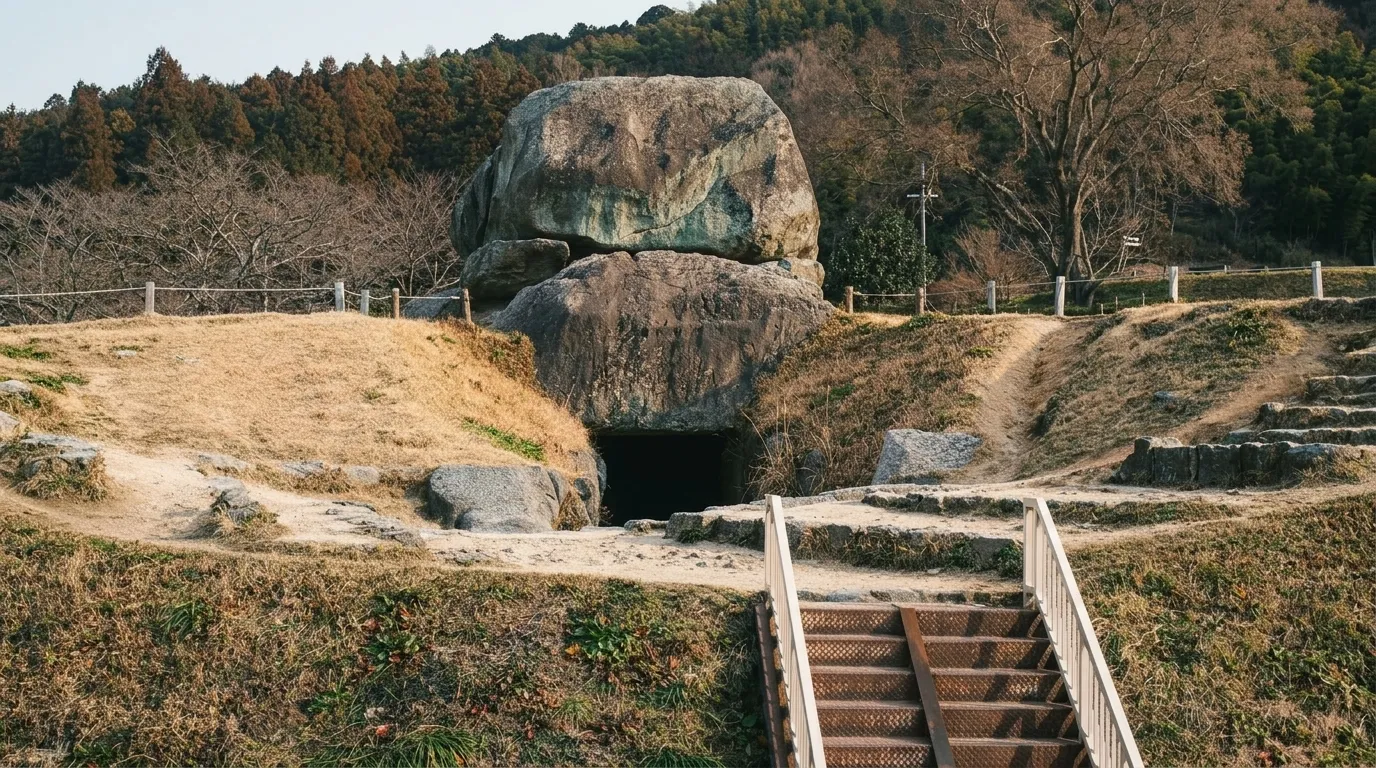
Asuka
Japan's ancient heartland dotted with mysterious stone monuments and the country's oldest Buddhist temple
Ancient stone monuments
- Asuka-dera Temple
- Stone monuments
- Ancient capital ruins
Top Attractions
From UNESCO World Heritage temples to sacred mountain monasteries, these are Nara's unmissable cultural treasures.
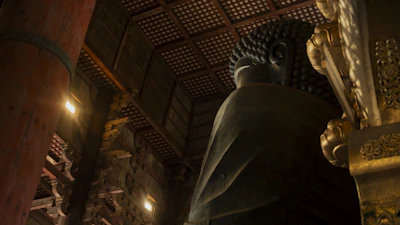
Todaiji Temple
Home to Japan's largest bronze Buddha statue in a wooden hall that defies architectural logic
Giant Buddha statue
- 15m bronze Buddha
- World's largest wooden building
- Nara Park location
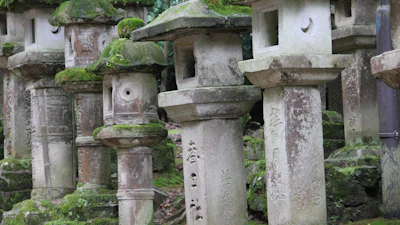
Kasuga Taisha
Vermillion shrine complex where 3,000 stone and bronze lanterns create mystical forest pathways
3,000 lantern shrine
- 3,000 lanterns
- Primeval forest setting
- Shinto architecture
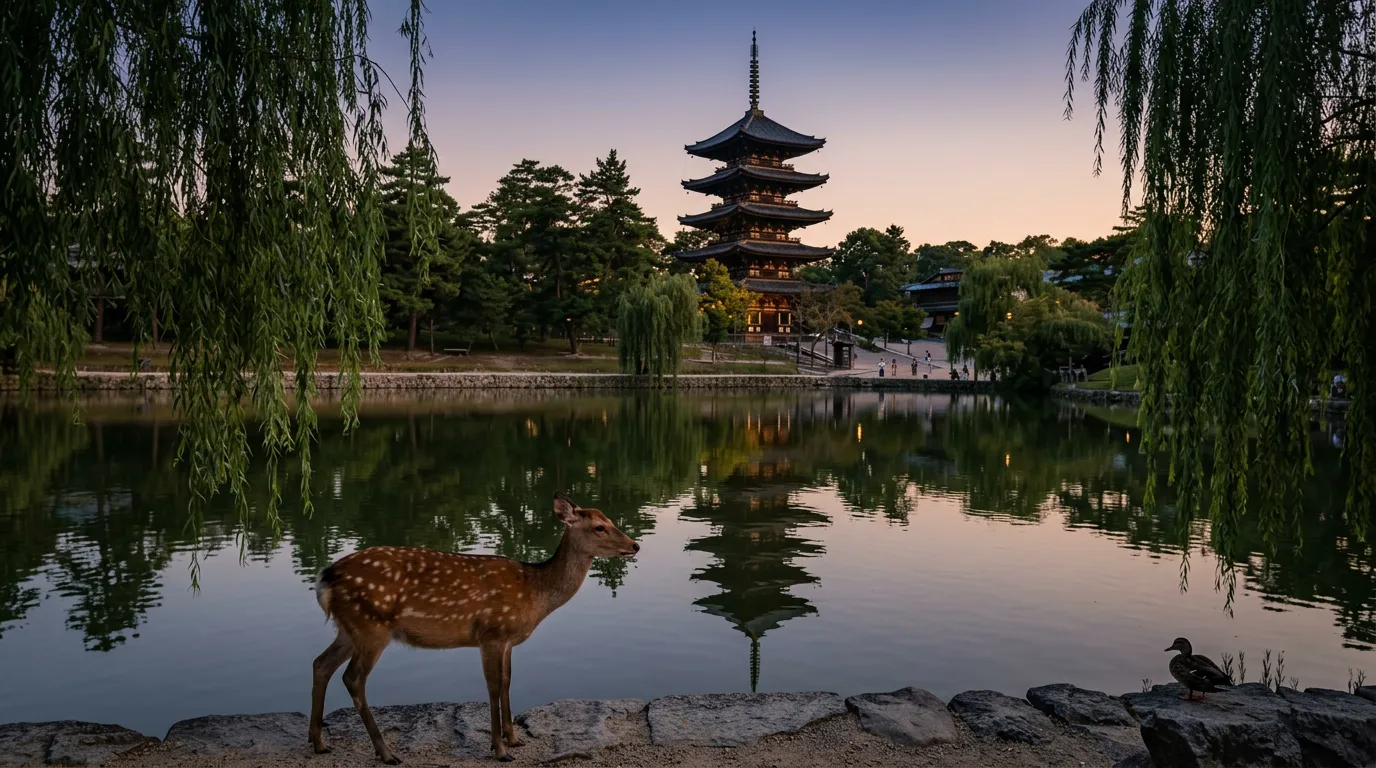
Kofukuji Temple
Five-story pagoda that's been Nara's skyline landmark for over 1,300 years
Iconic five-story pagoda
- Five-story pagoda
- National treasures
- Central Nara location
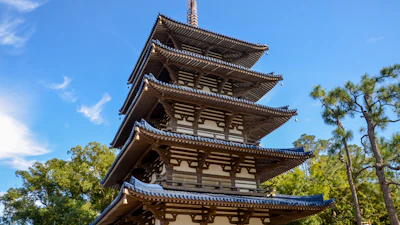
Horyu-ji Temple
World's oldest surviving wooden structures from 607 AD — Buddhism's architectural birthplace in Japan
World's oldest wooden buildings
- 607 AD construction
- UNESCO World Heritage
- Prince Shotoku history
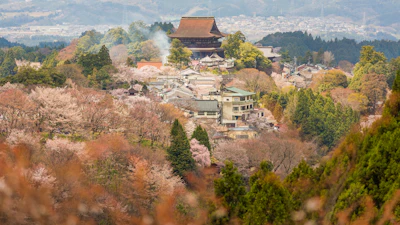
Mount Yoshino
Sacred pilgrimage mountain where 30,000 cherry trees bloom in waves from valley to summit
30,000 cherry trees
- Four bloom levels
- Kumano Kodo trails
- Kinpusenji Temple
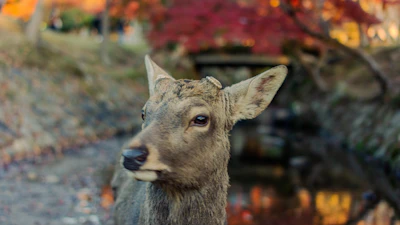
Nara Park
Ancient parkland where 1,200 sacred deer roam freely among temples and autumn maples
Sacred deer park
- 1,200 free-roaming deer
- Temple complex access
- Seasonal beauty
Hidden Gems
Beyond the famous temples, Nara's hidden corners reveal mountain monasteries, traditional craft villages, and pristine wilderness trails.
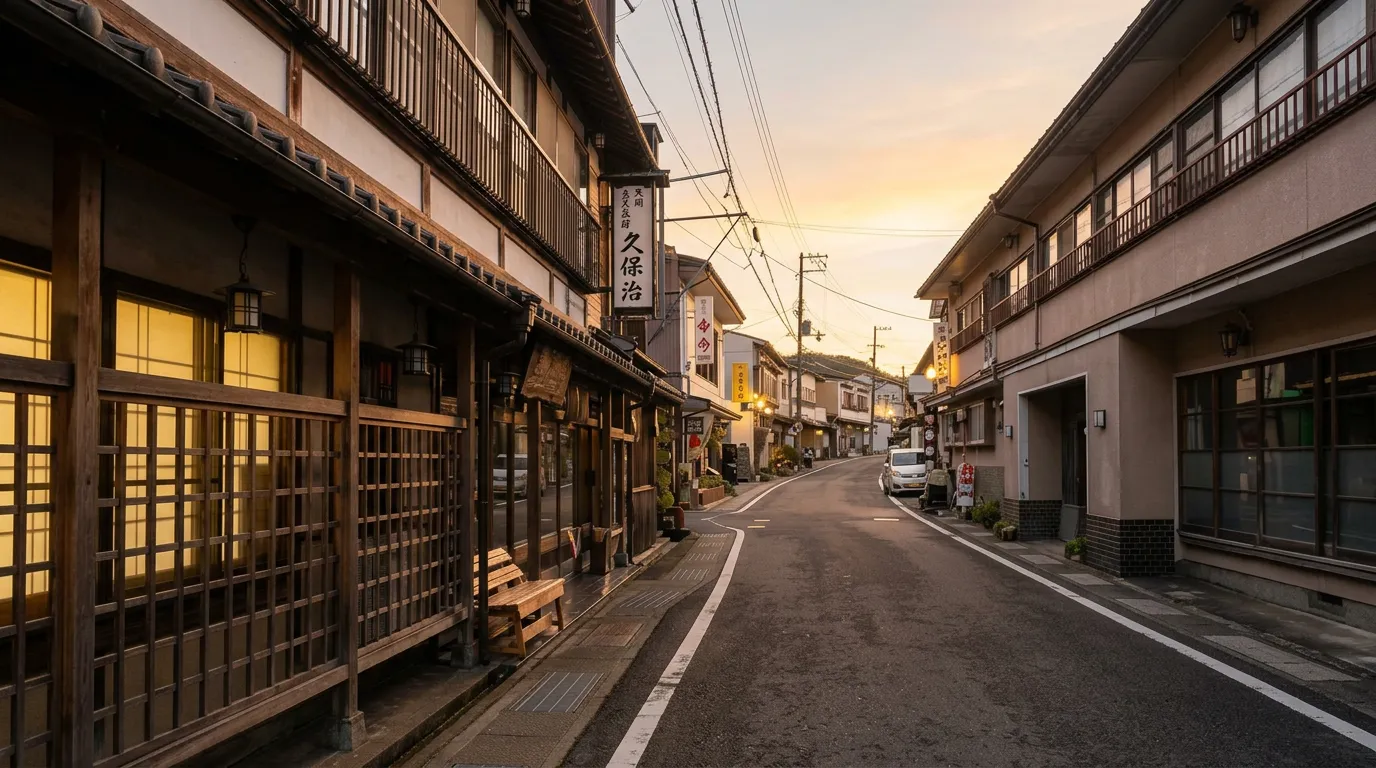
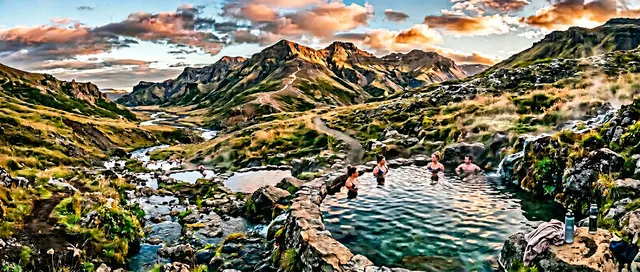
Dorogawa Onsen
Mountain hot spring village nestled in a gorge where pilgrims have soaked for centuries before climbing sacred peaks
Mountain hot springs village
- Historic hot springs
- Omine pilgrimage base
- Mountain gorge setting
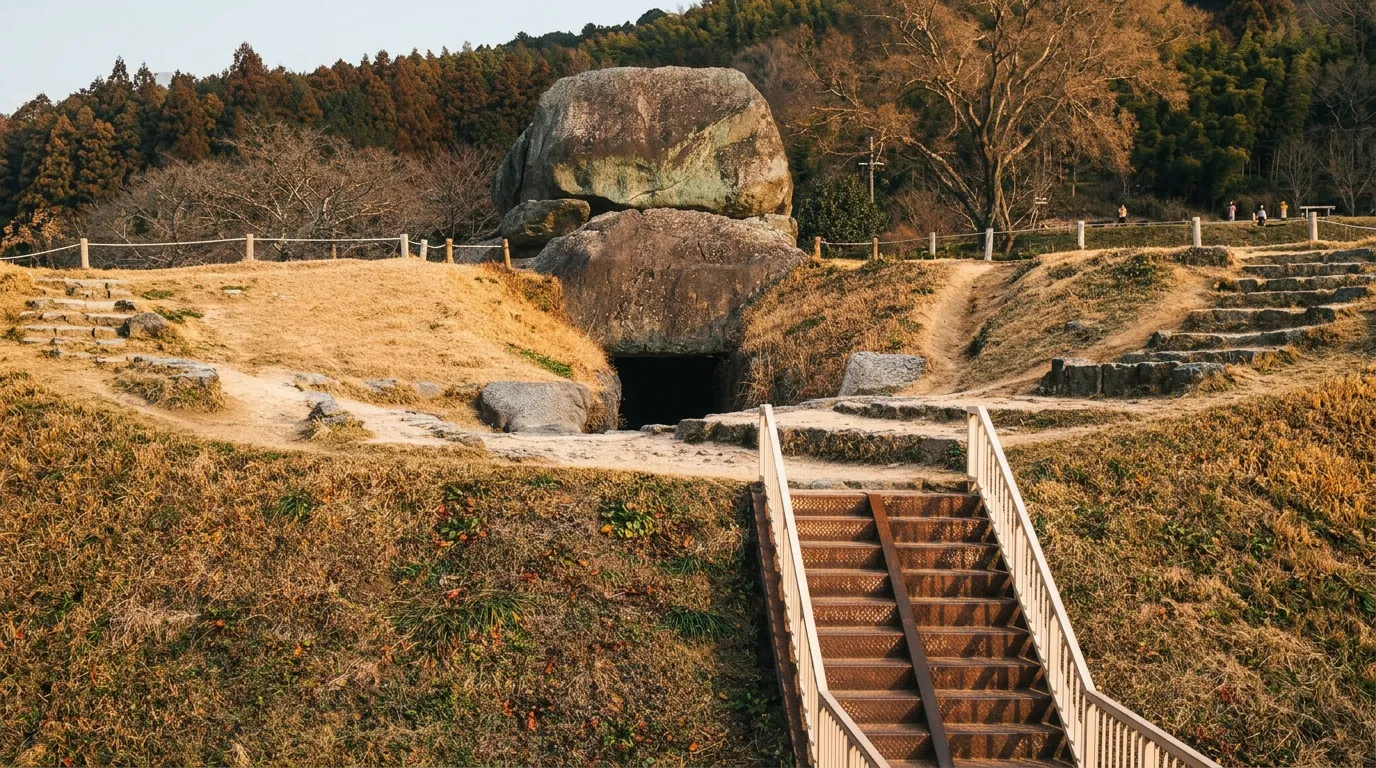
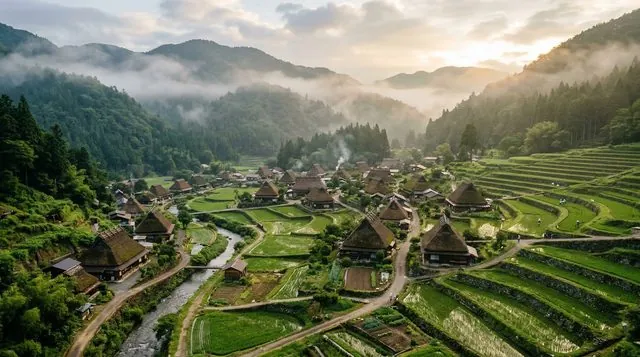
Asuka Village
Ancient capital ruins scattered across rice fields where Japan's imperial history began 1,400 years ago
Ancient imperial ruins
- Takamatsuzuka Tomb
- Stone burial mounds
- Imperial palace ruins
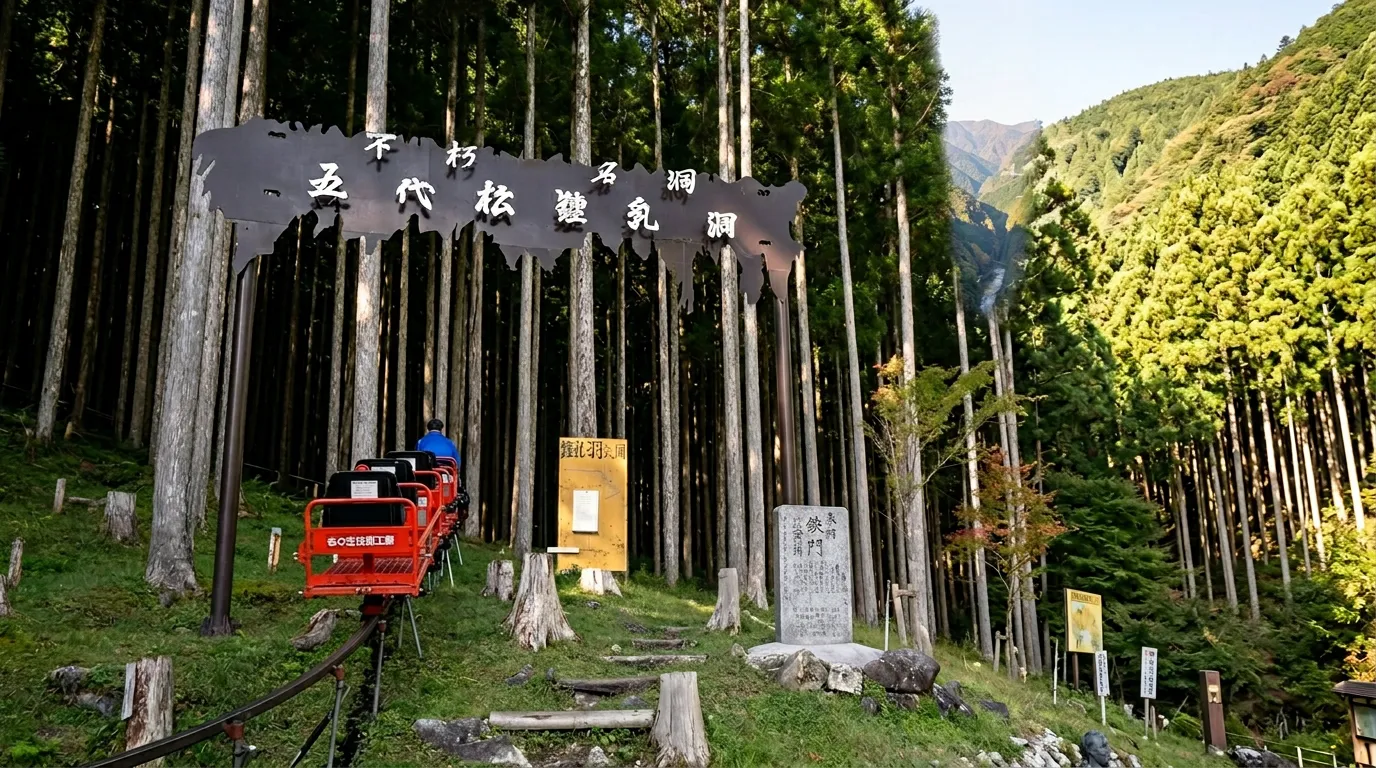
Tenkawa Village
Sacred mountain village where Shugendo monks still practice ancient rituals in untouched forest temples
Sacred mountain temples
- Tenkawa Shrine
- Shugendo practices
- Pristine mountain forests

Kurama-dera to Kibune Trail
Ancient mountain path through cedar forests connecting a fire festival temple to riverside dining pavilions
Mountain hiking trail
- Forest hiking trail
- Kurama Fire Festival
- Kibune river dining
When to Visit
Nara's seasons each offer distinct experiences, from cherry blossom pilgrimages to autumn temple illuminations.
Springharu
Mar–May10–20°CHigh crowds
Springharu
- 30,000 cherry trees bloom in Yoshino
- Deer births in Nara Park
- Perfect temple walking weather
- Golden Week crowds at major sites
Summernatsu
Jun–Aug26–33°CModerate crowds
Summernatsu
- Mountain hiking in Omine range
- Dorogawa Onsen hot springs relief
- Temple festivals and night illuminations
- Humid but fewer international tourists
Autumnaki
Sep–Nov10–22°CHigh crowds
Autumnaki
- Spectacular foliage in temple gardens
- Perfect temperatures for walking
- Persimmon harvest in rural villages
- Peak domestic tourism season
Winterfuyu
Dec–Feb1–9°CLow crowds
Winterfuyu
- Snow-capped mountain monasteries
- Hot spring season in Dorogawa
- Fewer crowds at major temples
- Clear mountain views for hiking
Suggested Itineraries
From ancient capital discoveries to mountain pilgrimage routes, these curated itineraries showcase Nara's depth beyond the famous deer park.
FAQ
Hoe kom je vanuit Osaka of Kyoto in Nara?
Vanuit Osaka: Kintetsu-lijn naar Kintetsu-Nara (45 minuten, ¥560) of JR Yamatoji-lijn naar JR Nara (50 minuten, ¥470). Vanuit Kyoto: Kintetsu-lijn naar Kintetsu-Nara (50 minuten, ¥640). Kintetsu-Nara station ligt dichter bij de tempels dan JR Nara. For convenient travel between cities, consider booking a Kansai Area Pass through Klook which covers multiple train lines in the region.
Kun je de herten in Nara Park voeren?
Ja, maar alleen met officiële shika senbei (hertenkoekjes) die je bij parkverkopers koopt voor ¥200. Geen ander voedsel geven — dat is schadelijk voor de herten. Ze kunnen opdringerig worden, dus houd koekjes verborgen tot je ze geeft.
Hoeveel tijd heb je nodig voor Nara Prefecture?
Voor Nara city alleen: 1 dag voor de hoofdtempels, 2 dagen voor een rustige verkenning. Voor de hele prefectuur inclusief Yoshino en bergdorpen: minimaal 3-4 dagen. Yoshino's kersenbloesems rechtvaardigen een aparte dag in het voorjaar. To explore the region efficiently, book a guided Nara day tour from Osaka for your first visit.
Wanneer is Yoshino het mooist voor kersenbloesems?
Begin tot half april, afhankelijk van het weer. De bloesems beginnen onderaan de berg (Shimo-senbon) en trekken omhoog naar de top (Oku-senbon). Peak is meestal begin april, maar controleer actuele bloesemvoorspellingen voor je bezoek plant.
Is de JR Pass geldig in Nara Prefecture?
Beperkt. JR Pass dekt JR Yamatoji-lijn naar Nara city en enkele lokale JR-lijnen, maar niet de Kintetsu-lijnen naar Yoshino of andere bergdorpen. Voor Yoshino heb je aparte Kintetsu-tickets nodig (¥1,340 vanuit Nara). If you're planning extensive rail travel in Japan, purchase a JR Pass before your trip for significant savings on long-distance routes.
Welke tempels zijn 's avonds verlicht?
Todaiji en Kofukuji hebben regelmatige avondverlichting. Kasuga Taisha verlicht de lantaarns tijdens speciale festivals (februari en augustus). Yoshino's tempels hebben seizoensgebonden illuminaties tijdens de kersenbloesemperiode — check lokale schema's.
Kun je overnachten in bergdorpen zoals Dorogawa Onsen?
Ja, Dorogawa Onsen heeft traditionele ryokan met hot springs (vanaf ¥12,000 per persoon met maaltijden). Reserveer vooraf, vooral in weekend en herfst. Tenkawa heeft beperkte accommodatie — Dorogawa is het beste uitvalspunt voor bergverkenning. Find and book traditional ryokan in Nara Prefecture to experience authentic Japanese hospitality.