
Hyogo Prefecture stretches from Osaka Bay to the Japan Sea, home to cosmopolitan Kobe, ancient Himeji Castle, and the sacred island of Awaji. Beyond the famous ports and castles lie mountain onsen towns, traditional crafts villages, and some of Kansai's most rewarding detours — places where the tour buses don't venture but the authentic Japan experience thrives.
Cities & Towns
From port cities to castle towns, Hyogo's urban centers each tell a different chapter of Japan's story.
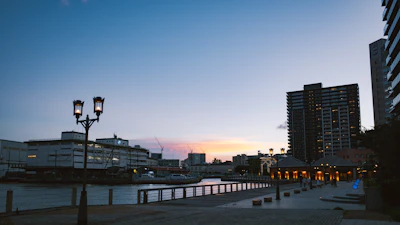
Kobe
Cosmopolitan port city where East meets West — legendary beef, harbor views, and international flair
International port city
- Kobe beef
- Harbor cruises
- Chinatown
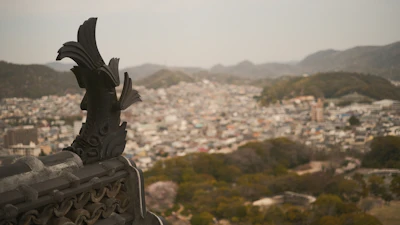
Himeji
Japan's most spectacular original castle dominates this historic city — a UNESCO World Heritage masterpiece
White Heron Castle
- Himeji Castle
- Kokoen Garden
- Castle town streets
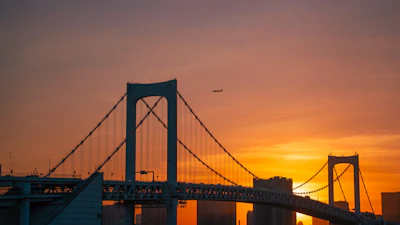
Akashi
Famous for the world's longest suspension bridge and the freshest octopus in Japan
Bridge and octopus
- Akashi Kaikyo Bridge
- Tako (octopus)
- Fish market
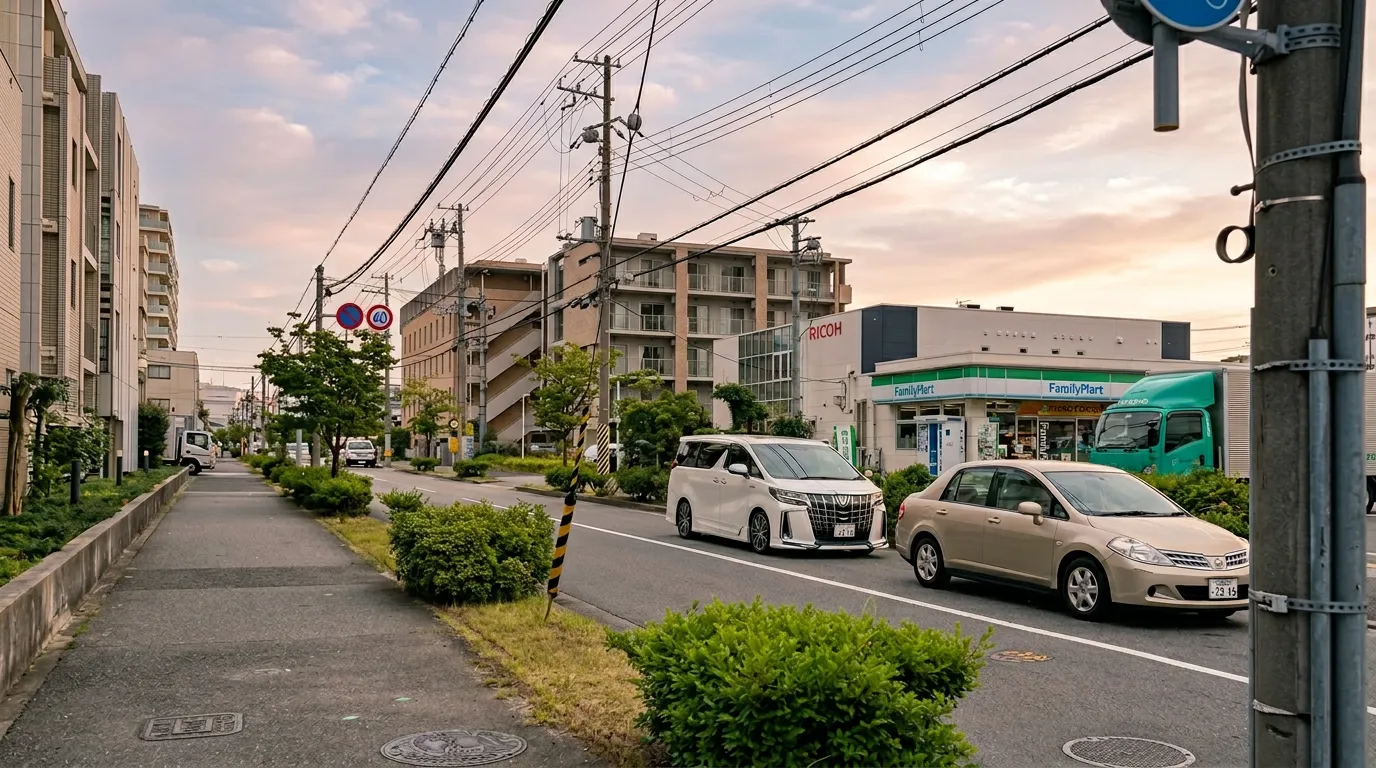
Nishinomiya
Sake brewing heartland between Osaka and Kobe — traditional breweries and shrine festivals
Sake brewing center
- Sake breweries
- Nishinomiya Shrine
- Traditional architecture
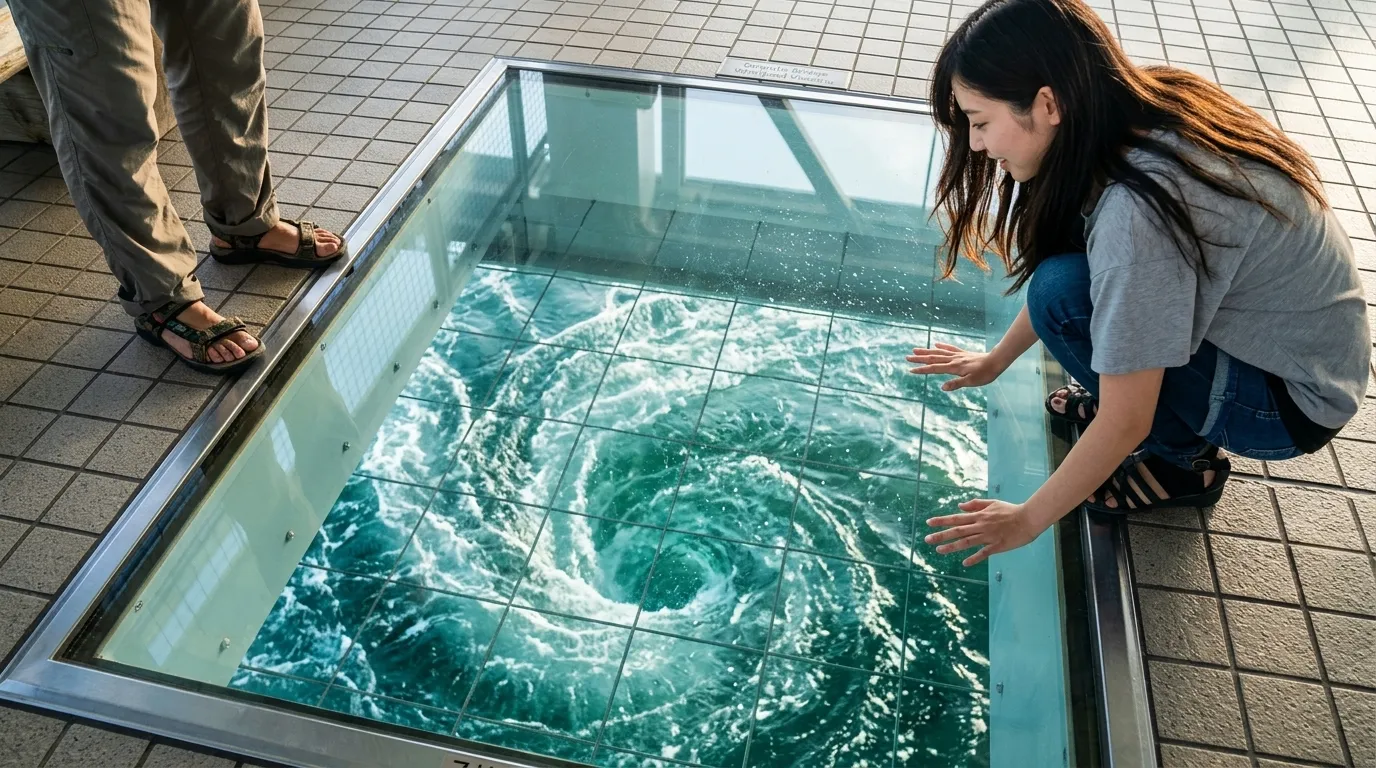
Awaji
Sacred island birthplace of Japan according to mythology — onsen, puppet theater, and Naruto whirlpools
Mythical birthplace island
- Naruto whirlpools
- Puppet theater
- Onsen resorts
Kinosaki
Picture-perfect onsen town where yukata-clad visitors stroll between seven public hot spring baths
Traditional onsen town
- Seven public onsen
- Ryokan district
- Stork watching
Top Attractions
From UNESCO castles to sacred islands, Hyogo's attractions span centuries of Japanese culture and natural beauty.
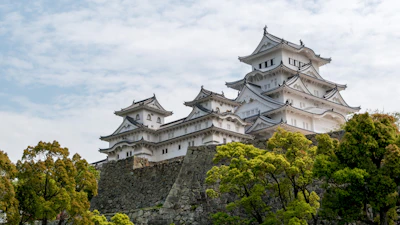
Himeji Castle
Japan's most magnificent original castle — a UNESCO World Heritage white fortress that survived wars and centuries unchanged
UNESCO White Heron Castle
- Original wooden structure
- Cherry blossom views
- Castle keep climb
Kiyomizu-dera Kobe
Hillside temple with panoramic harbor views — Kobe's spiritual heart overlooking the cosmopolitan port
Harbor view temple
- City panorama
- Traditional architecture
- Sunset views
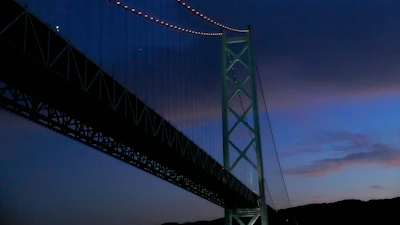
Akashi Kaikyo Bridge
The world's longest suspension bridge connecting Honshu to Awaji Island — an engineering marvel over the Inland Sea
World's longest suspension bridge
- Bridge walk experience
- Pearl illumination
- Maiko Marine Promenade
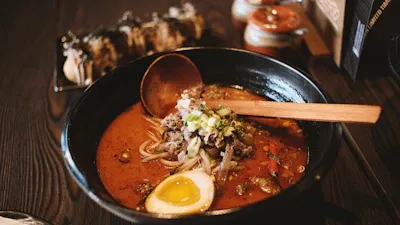
Arima Onsen
One of Japan's three ancient hot spring resorts nestled in the mountains — golden and silver waters since the 8th century
Ancient mountain hot springs
- Kinsen golden springs
- Ginsen silver springs
- Traditional ryokan
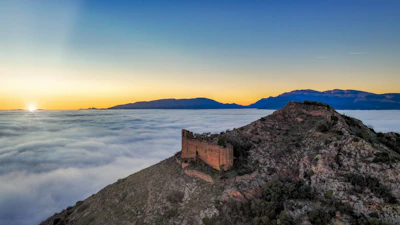
Takeda Castle Ruins
The 'Castle in the Sky' — dramatic stone foundations floating above morning mist in the mountains
Castle in the Sky ruins
- Sea of clouds
- Stone foundations
- Mountain hiking
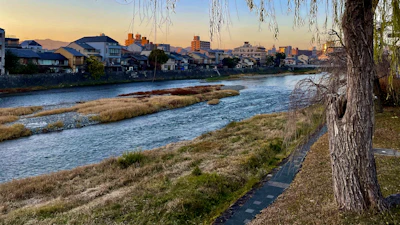
Kinosaki Onsen
Traditional hot spring town where yukata-clad visitors stroll between seven public baths along willow-lined canals
Seven public bath town
- Seven soto-yu baths
- Yukata strolling
- Willow-lined streets
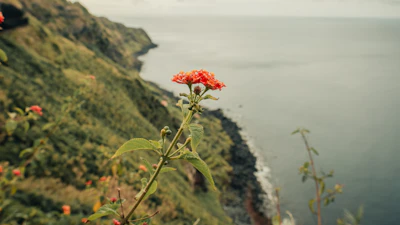
Awaji Island
Sacred island birthplace of Japan in Shinto mythology — flower fields, puppet theater, and Naruto whirlpools
Mythical birthplace island
- Izanagi Shrine
- Awaji puppet theater
- Seasonal flower parks
Hidden Gems
Beyond the famous ports and castles, Hyogo's hidden corners reveal traditional Japan at its most authentic.
Kinosaki Onsen
Traditional hot spring town where guests stroll between seven public baths in yukata — old Japan perfectly preserved
Seven public bath town
- Seven soto-yu baths
- Yukata strolling
- Winter crab season
Takeda Castle Ruins
Japan's Machu Picchu — castle ruins floating above a sea of clouds on misty autumn mornings
Castle in the clouds
- Cloud sea views
- Sunrise hikes
- Mountain fortress ruins
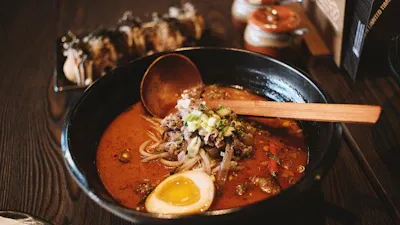
Sasayama
Edo-period castle town surrounded by black bean fields — traditional architecture and seasonal delicacies
Black bean castle town
- Preserved samurai district
- Black soybean cuisine
- Castle grounds
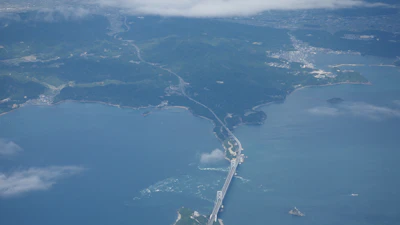
Sumoto
Awaji Island's quiet capital where traditional puppet theater meets fresh seafood and island tranquility
Puppet theater island town
- Awaji puppet theater
- Island seafood
- Quiet beaches
When to Visit
Hyogo's diverse geography means different experiences across seasons — from Kobe's mild harbors to mountain onsen snow.
SpringMarch – MayCrowds: High+
- Himeji Castle cherry blossoms
- Mild coastal weather
- Awaji Island flower fields
- Golden Week crowds at major sites
SummerJune – AugustCrowds: Medium+
- Kobe harbor festivals
- Mountain onsen relief from heat
- Awaji Island beach season
- Humid but vibrant city life
AutumnSeptember – NovemberCrowds: High+
- Takeda Castle cloud sea
- Perfect hiking weather
- Sasayama black bean harvest
- Spectacular mountain foliage
WinterDecember – FebruaryCrowds: Low+
- Kinosaki Onsen crab season
- Arima hot springs peak time
- Fewer tourists at attractions
- Clear mountain air
Suggested Itineraries
From castle-hopping weekends to onsen retreats, these itineraries unlock Hyogo's best experiences.
FAQ
Wat is de beste manier om door Hyogo Prefecture te reizen?
De JR Pass dekt de meeste bestemmingen, inclusief de shinkansen naar Himeji. Voor Kinosaki Onsen neem je de JR San-in Line vanaf Kyoto (2,5 uur). Lokale bussen verbinden bergdorpjes zoals Sasayama. Een huurauto geeft meer vrijheid voor afgelegen onsen en kasteel ruïnes.
Hoeveel dagen heb je nodig voor Hyogo?
Minimaal 3 dagen voor Kobe en Himeji, 5-7 dagen om ook de onsen en verborgen plekken te ontdekken. Kinosaki Onsen verdient een overnachting, Takeda Castle vraagt een vroege ochtend. Plan extra tijd als je Awaji Island wilt verkennen.
Wanneer is Takeda Castle het mooist?
Herfst (oktober-november) biedt de beste kans op de beroemde "zee van wolken" bij zonsopgang. Kom voor 6:30 aan de voet van de berg, wandel 40 minuten omhoog. Check het weer — je hebt mist en weinig wind nodig voor het wolkeneffect.
Is Kobe beef de moeite waard?
Ja, maar kies je restaurant zorgvuldig. Echte Kobe beef heeft certificering en kost ¥15.000+ per persoon. Goedkopere "Kobe-style" is vaak gewoon Wagyu. Voor authentieke ervaring: Kawamura, Ishida of Mouriya in Kobe centrum.
Kan je Arima Onsen als dagtrip doen?
Mogelijk, maar een overnachting is beter. De gouden en zilveren bronnen zijn uniek in Japan. Kin-no-yu (gouden water) heeft ijzerrijk water, Gin-no-yu (zilver) is radiumrijk. Dagkaarten kosten ¥650 per bad, ryokan gasten krijgen privé toegang.
Hoe kom je op Awaji Island?
Via de Akashi Kaikyo Bridge — alleen auto of bus, geen trein. JR bus vanaf Maiko Station (¥500, 15 min) naar Awaji IC. Lokale bussen verbinden Sumoto en andere eilandsteden. Huur een auto voor maximale flexibiliteit tussen attracties.