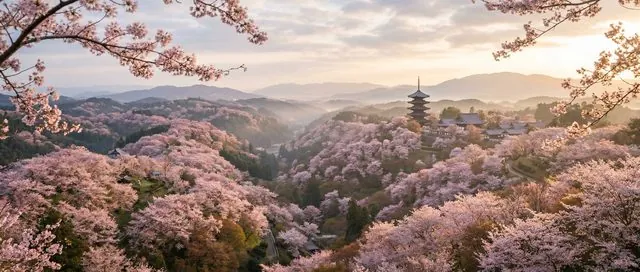
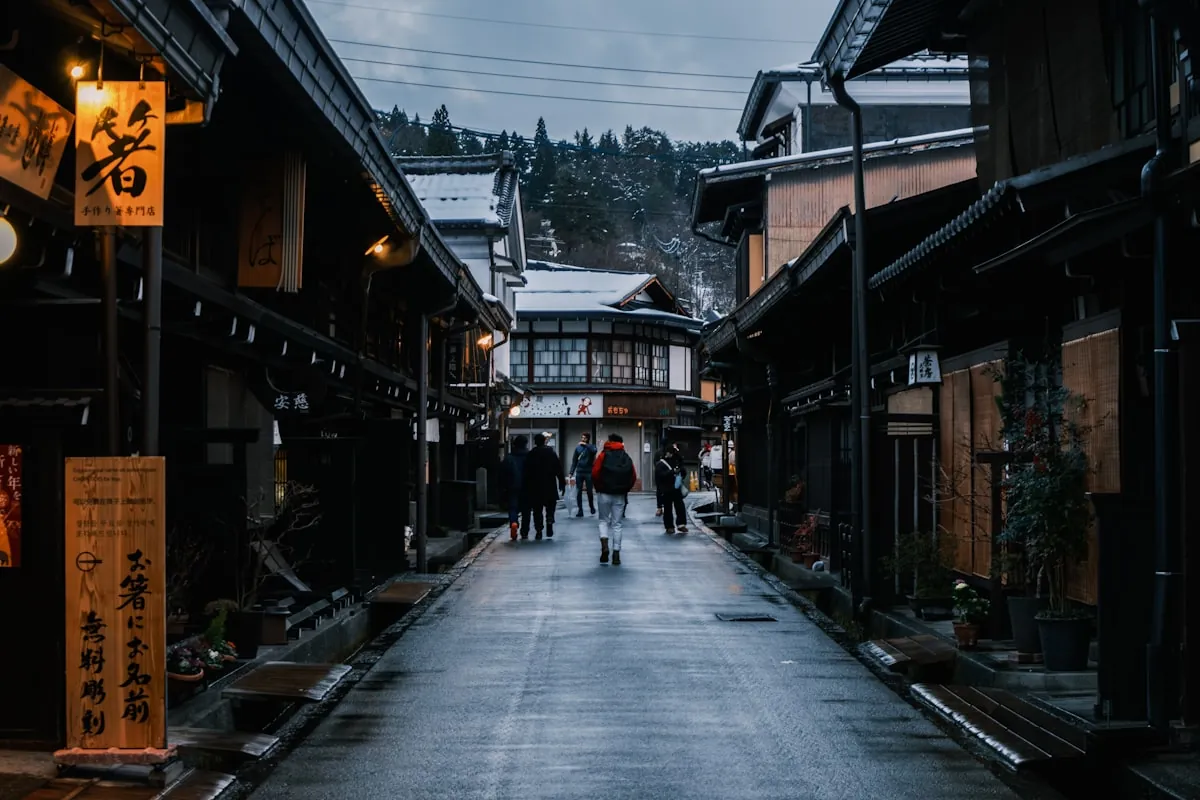
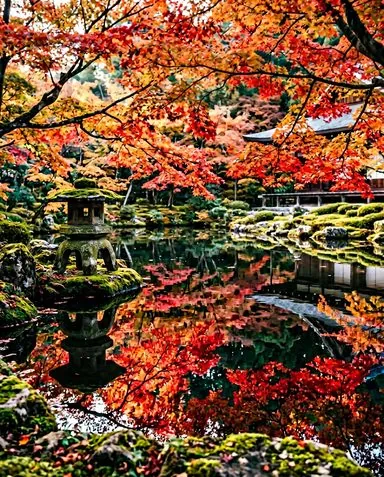


Shinjuku Gyoen is the 58-hectare imperial garden five minutes from Shinjuku Station — three landscape styles laid side-by-side: a Japanese stroll garden with carp ponds, a French formal garden with rose terraces and a wide English-style lawn. In late March, 1,100 cherry trees of 12 species peak in waves over a fortnight.
What to Expect

Most visitors enter via Shinjuku Gate (closest to Shinjuku Station) and head to the central pond, where the wooden Taiwan Pavilion (Kyu-Goryotei, 1928) sits over the water — the canonical sakura-season photograph. The Japanese garden flows into the English-style lawn, popular with Tokyoites for hanami picnics, and ends at the French parterre with autumn rose displays.
Allow 90 minutes for the loop. The garden has a strict no-alcohol policy (unlike Yoyogi Park) — picnics are quiet, family-friendly affairs.
Consider This Instead
For an Edo-era garden in central Tokyo with denser autumn foliage, head to Rikugien Garden in Komagome, 25 minutes north on the Yamanote Line. ¥300 entry, evening light-up during koyo (mid-November) and during sakura (early April), and a fraction of Shinjuku Gyoen’s visitor count.

How to Get There
Getting There
- 1Walk south-east to Shinjuku Gate → Shinjuku Gyoen
- 1Take Tokyo Metro Marunouchi Line → Shinjuku-gyoenmae
- 2Walk to Shinjuku Gate → garden entrance
Tips
- Three entry gates. Shinjuku Gate from the station is busiest. Use Sendagaya Gate (NE) for fewer crowds; same garden, different start.
- Sakura forecast moves. Late March is normal; some years 1 April. Track the JMA forecast in March before booking specific dates.
- No alcohol, no drones. Picnics yes, beers no. Strict.
- Combine with Meiji-jingu. 5 minutes by metro to Harajuku; pair the shrine + the garden in one morning.
FAQ
How long for Shinjuku Gyoen?
90 minutes for the full three-styles loop. Add 30 min for the central pond around the Taiwan Pavilion.
Best entrance?
Shinjuku Gate from the station is most convenient. Sendagaya Gate (NE) is quieter and closer to the English lawn.
Sakura or koyo?
Late March cherry blossom is the famous season. Mid-November koyo on the Japanese-side maples is far quieter and equally photogenic.


