
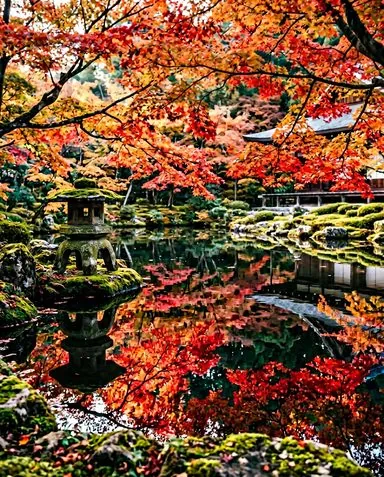


Hama-rikyu (‘Imperial Detached Palace Garden’) is a 25-hectare Edo-era stroll garden on Tokyo Bay, surrounded by Shiodome’s glass office towers. Two tidal ponds rise and fall with the sea — a 17th-century engineering trick — and a wooden tea house on Shioiri-no-ike serves matcha to walk-in visitors.
What to Expect

The walking loop takes 60–90 minutes. From the entrance, head clockwise: the 300-year pine (planted ~1709, the oldest in any Tokyo garden), then through Otsutai-bashi covered bridge to Nakajima-no-ochaya, the central tea house, where ¥850 buys a bowl of matcha and a wagashi sweet. Two duck-hunting blinds (kamoba) are restored in the back of the garden — historically loaded with handheld nets, now empty.
Consider This Instead
For a quieter, smaller Edo garden — the same shogun aesthetic without the cruise-ship tour buses — head to Kyu-Shiba-rikyu Garden in Hamamatsucho, 10 minutes south. Half the size, half the visitors, ¥150 entry, and the same pond-and-pine vocabulary in a more intimate frame.

How to Get There
Getting There
- 1Take JR Yamanote/Keihin-Tohoku Line → Shimbashi Station
- 2Walk to Hama-rikyu → garden entrance
- 1Take Sumida-river ferry → Hama-rikyu pier
Tips
- Take the ferry from Asakusa. 35 minutes down the Sumida is more interesting than the train and ends at the garden’s own pier.
- Sakura: end of March, koyo: mid-November. Both peaks book in 200,000 visitors over a few days.
- Combine with Tsukiji Outer Market. 10-minute walk north for breakfast, garden after.
- Tea house closes at 16:30. Earlier than the garden gate; finish the matcha first.
FAQ
How long do I need at Hama-rikyu?
60–90 minutes for the walk + tea ceremony. Add 30 min if you take the Sumida ferry from Asakusa.
Is the matcha tea house worth it?
Yes — ¥850 for matcha + a seasonal wagashi sweet, served on the central island with the pond around you. The signature Hama-rikyu experience.
Best time of year?
Late March for sakura, mid-November for koyo (autumn maples), late February for plum blossom. Summer is hot and humid; winter is bare but quiet.


