


Kiyomizu-dera (‘pure water temple’) sits on the eastern Higashiyama hillside, founded 778 AD around the Otowa waterfall. The current main hall — Hondō, with its iconic 13m-high wooden veranda jutting out over the slope — was rebuilt in 1633 by the Tokugawa shogunate, entirely without nails. UNESCO World Heritage. ¥400 entry, opens 06:00 (yes, six in the morning), and the only A-list Kyoto temple where dawn empties the place.
What to Expect

Climb Kiyomizu-zaka (a 500m sloped approach lined with green-tea, yatsuhashi sweet, and pickled-vegetable shops; tourist-priced but historical) to the vermillion Niōmon gate. Pay at the Hondō, walk onto the famous wooden stage — bowing protocols apply but the camera-and-shuffle crowd dominates by mid-morning. Below the hall, queue at the Otowa waterfall: three streams (longevity, success in school, love); choose one. Drinking from all three is greedy and considered bad luck. Allow 60–90 min including approach.
Consider This Instead
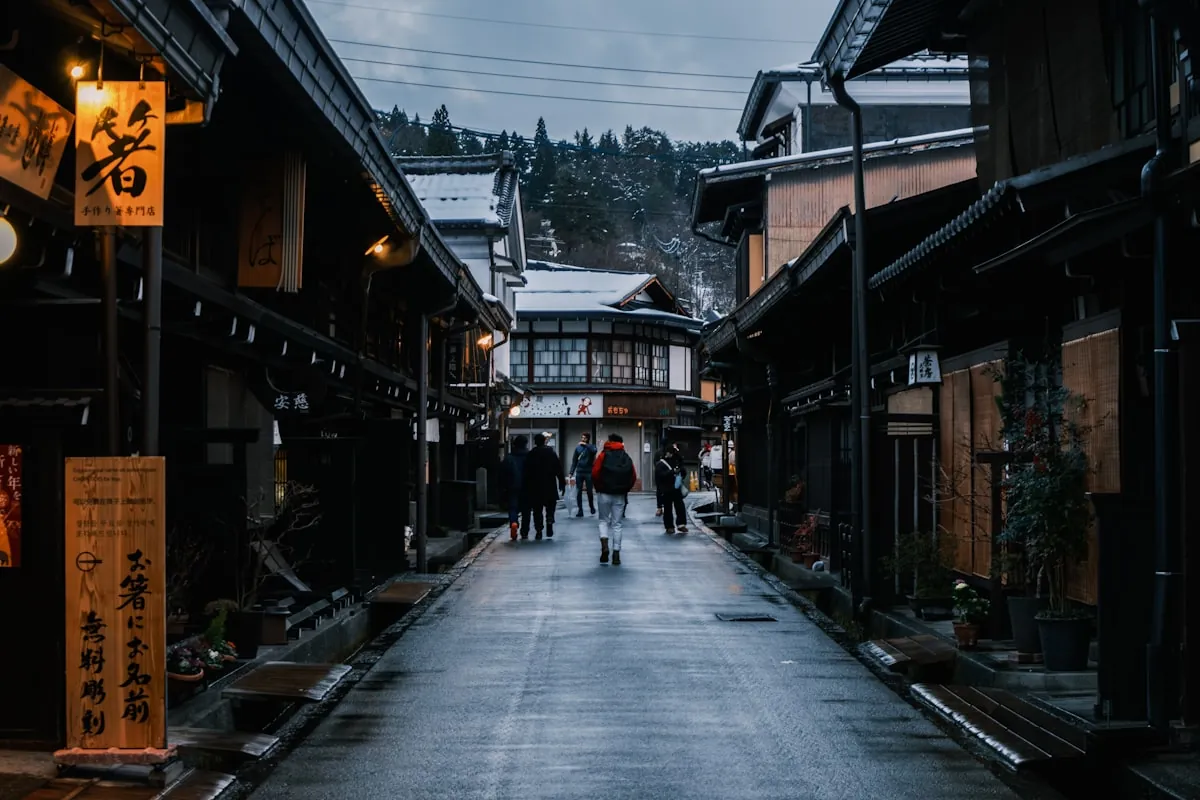
For a similar wooden-temple-on-cliff feel without the queue, head to Kōdai-ji 15 min north — same Higashiyama hill, equally cinematic, and famous for its bamboo grove and night-illumination season. Or skip the hilltop entirely and walk Sannenzaka / Ninenzaka at sunrise, where the historic streets approaching Kiyomizu give you the heritage atmosphere without the ¥400 crowd.
How to Get There
Getting There
- 1Bus 100 or 206 → Gojō-zaka
- 2Walk uphill via Kiyomizu-zaka → Kiyomizu-dera
- 1Walk south through Higashiyama → Sannenzaka → Ninenzaka → Kiyomizu-zaka
Tips
- Be at the gate by 06:00. The temple opens at six and almost no day-tripper arrives before eight. The first ninety minutes have the morning light hitting the stage and an unobstructed view across the city.
- Choose ONE Otowa stream. Drinking all three is a tourist tell and considered greedy. Locals choose love (right) or longevity (left); school success (middle) is for students before exam season.
- Combine with Sannenzaka + Ninenzaka. The 200m+ historic stone-paved approach streets are a destination in themselves — best photographed before 09:00 when shop shutters are still half-down.
- Spring + autumn night illuminations. Late March–early April (sakura) and mid-November–early December (kōyō). ¥800 ticket, separate evening session. Reserve a same-day slot online; walk-up queues hit 90 min.
FAQ
How long does Kiyomizu take?
60–90 minutes for the temple itself; 2–3 hours if you walk down via Sannenzaka, Ninenzaka and into Gion (which is by far the best way to do it).
Is the wooden stage really nail-free?
Yes. The 1633 reconstruction uses interlocking joinery (sashimono) for the entire 13m-high column-and-veranda structure. 168 zelkova columns, no nails. Survived four centuries of earthquakes.
Can I jump off the stage for good luck?
Don’t. The Edo-period saying ‘jumping off Kiyomizu’s stage’ refers to making a bold decision; literal jumping was actually attempted (~234 recorded leaps in the 1700s, ~85% survival rate) and is now banned. The phrase remains as idiom.


