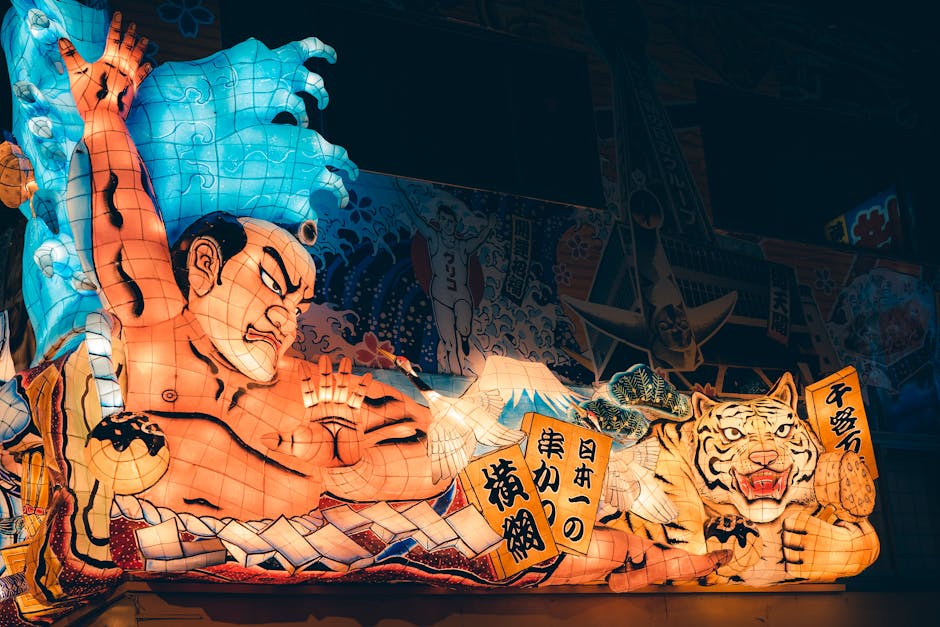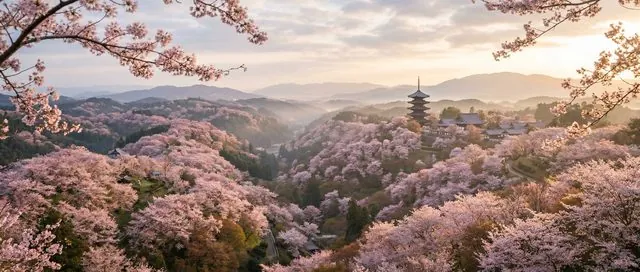
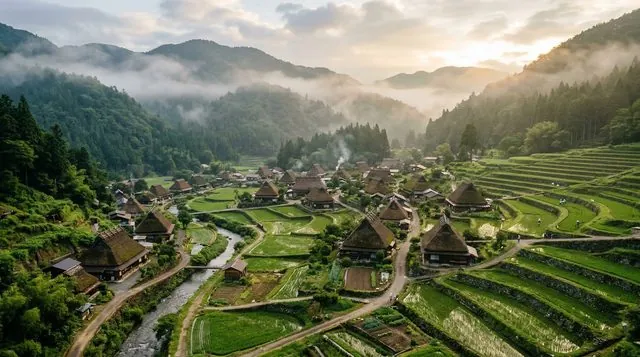

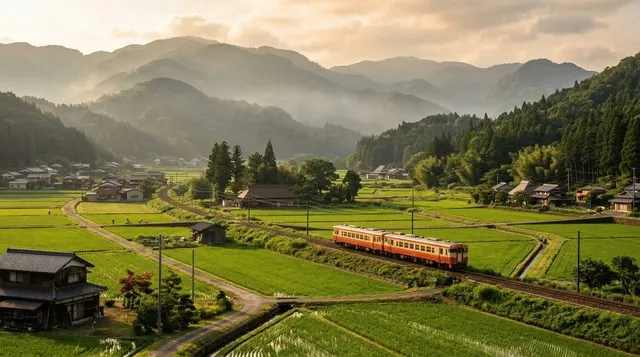

The Japanese cultural calendar runs continuously, not as special events. Sumo tournaments six times a year. Kabuki at Minamiza in Kyoto and Kabukiza in Tokyo most months. Tea ceremony classes daily. Anime and gaming arcades open until 03:00. The trick is knowing what's actually accessible to a visitor, what's worth booking ahead, and what to walk into without a plan.
Traditional performance
- Sumo — three Tokyo tournaments (January, May, September), one each in Osaka (March), Nagoya (July), Fukuoka (November). Tickets via the official Sumo Association website 1 month ahead. Day-of "balcony" tickets at the venue from 07:30.
- Kabuki — Kabukiza Tokyo and Minamiza Kyoto run shows most months. English-subtitle headphones available; one-act tickets (¥1,200) for the experience without the four-hour commitment.
- Noh — slower, older, more demanding. National Noh Theatre in Tokyo and Kongo Noh Theatre in Kyoto. Buy a single-show ticket; bring water, you'll need it.
- Bunraku puppet theatre — Osaka National Bunraku Theatre is the best venue. Three-person puppeteers, narrator, and shamisen.
Tea ceremony, calligraphy, ikebana
Tea ceremony (sado, chanoyu) is the most accessible cultural experience for visitors — most major cities have introductory English-language sessions for ¥3,000–6,000 in beautiful traditional settings. Kyoto's Camellia and En are the best-known foreigner-friendly schools. Calligraphy (shodo) and flower-arranging (ikebana) workshops run on similar schedules.
Crafts
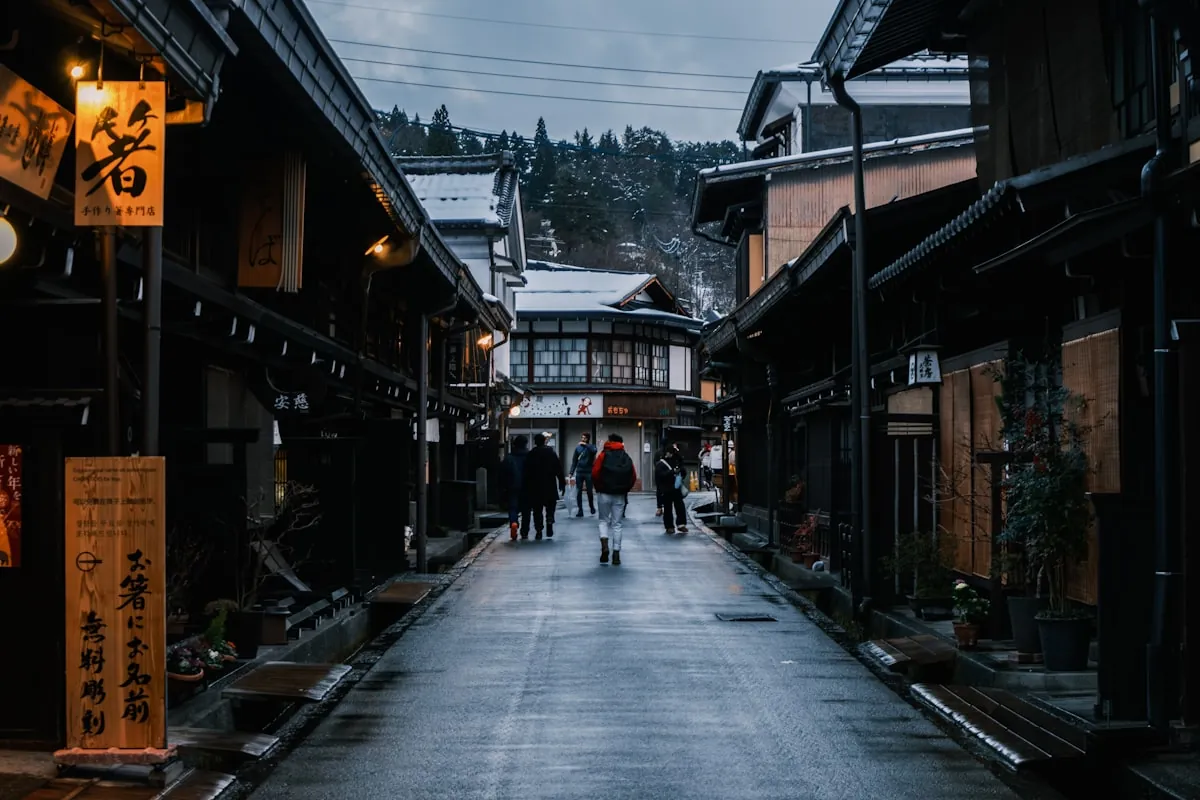
Each region has its specialty. Tokyo: Edo-kiriko cut glass and Edo-komon textile dyeing. Kyoto: Nishijin silk weaving, Kyoyaki ceramics. Kanazawa: gold leaf, Kutani porcelain. Takayama: woodcarving and lacquerware. Most studios run drop-in classes for ¥3,000–8,000 — actually make something to take home.
Anime, gaming, pop culture
Akihabara (Tokyo) and Den-Den Town (Osaka) are the obvious destinations, but more interesting is Nakano Broadway in Tokyo (the actual otaku hangout, not the tourist version) and the Studio Ghibli Museum in Mitaka (book 4–6 weeks ahead). The Pokemon Center in Shibuya, gaming arcades anywhere, and the Kyoto International Manga Museum round it out.
Contemporary art
- Naoshima & Teshima (Inland Sea) — Yayoi Kusama pumpkins, Tadao Ando architecture, Chichu Art Museum. The single best contemporary-art destination in Japan.
- Mori Art Museum (Tokyo, Roppongi) — high-quality rotating exhibitions; opens until 22:00.
- 21st Century Museum (Kanazawa) — small, focused, world-class. The Leandro Erlich pool is the icon.
- Tokyo neighborhoods — Roppongi (Mori, National Art Center, Suntory), Tennozu Isle (TERRADA), Yokohama (Triennale every three years).