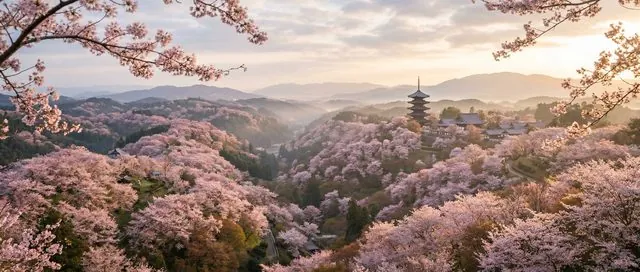
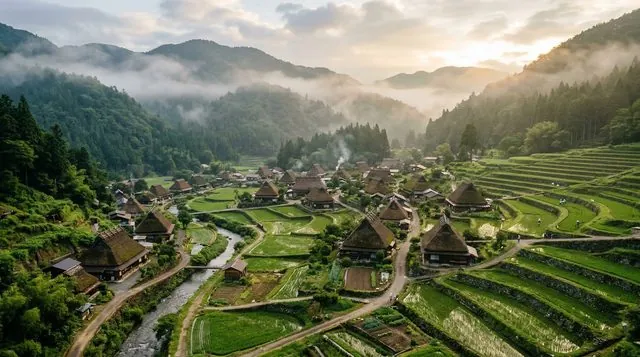
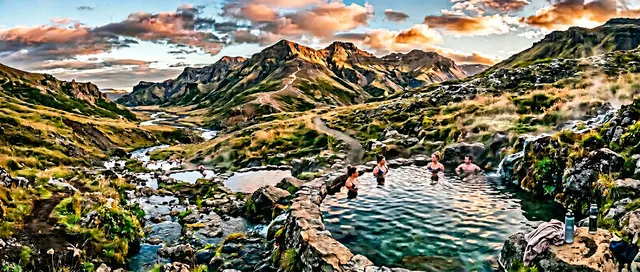
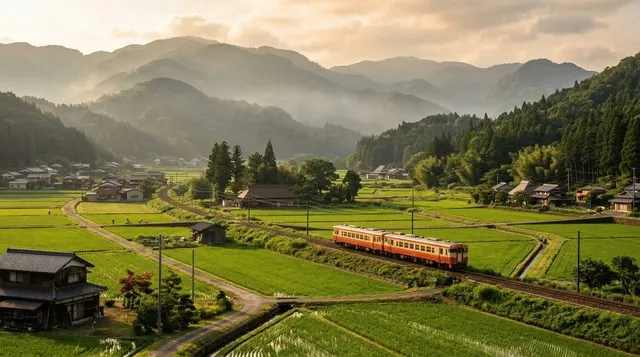
Tottori is Japan's smallest prefecture by population — only 540,000 people — and arguably the most rewarding for travellers willing to step off the Tokyo-Kyoto-Osaka spine. The headline draw is the Tottori Sand Dunes, a kilometres-long stretch of desert-scale dunes meeting the Sea of Japan. But the prefecture also holds the Tottori Castle Ruins with its concentric stone walls, the San'in Kinosaki Marine World aquarium, the rugged Uradome Coast, the Edo-merchant streets of Kurayoshi White-Wall Storehouse District, the radon-rich therapeutic baths of Misasa Onsen, the impossible cliff-face Mitokusan Sanbutsuji Temple, and the dormant volcano Daisen — western Honshu's tallest peak.
Cities & Towns
Three urban anchors stretching across the San'in coast.
Tottori City
Capital city beside the famous sand dunes — castle ruins, sand sculpture museum, and a busy fishing harbour
Capital and dunes
- Tottori Sand Dunes
- Tottori Castle ruins
- Sand Museum
Kurayoshi
Edo-period town with white-walled storehouses, the Mitokusan temple gateway, and the gateway to Misasa Onsen
White-wall storehouse town
- White-wall storehouses
- Mitokusan gateway
- Misasa Onsen access
Yonago
Western Tottori's largest city — gateway to Mount Daisen, the Sakaiminato fishing port, and the Mizuki Shigeru manga road
Daisen and Sakaiminato gateway
- Mount Daisen access
- Sakaiminato fishing port
- Yonago airport
Top Attractions
Tottori's most distinctive landscapes.
Tottori Sand Dunes
Japan's only large desert-scale dunes — 16km along the Sea of Japan, with camel rides, paragliding, and dramatic shifting wind patterns
Japan's sand desert
- 16km dunes
- Camel rides
- Sand Museum nearby
Tottori Castle Ruins
Edo-period castle remains in the prefectural capital — stone walls, moats, and one of the prefecture's top cherry-blossom spots
Castle stone walls
- Stone walls
- Cherry blossom park
- Mountain hike option
San'in Kinosaki Marine World
Sea-of-Japan focused aquarium with whale sharks, deep-sea displays, and underwater tunnels — pairs well with a Tottori dunes day
Sea of Japan aquarium
- Whale sharks
- Deep-sea section
- Underwater tunnel
Daisen
Western Honshu's tallest peak (1,729m) — hiking, skiing, and a year-round volcanic backdrop visible across the prefecture
Tallest peak in west Honshu
- 1,729m peak
- Hiking summer
- Skiing winter
Hidden Gems
Three quiet corners almost no foreign visitor reaches.
Uradome Coast
A 15km stretch of carved sea cliffs and pine-clad islets east of Tottori City — a 30-minute boat tour reveals caves and stacks
Carved sea cliffs
- 15km coast
- Sightseeing boats
- Pine-clad islets
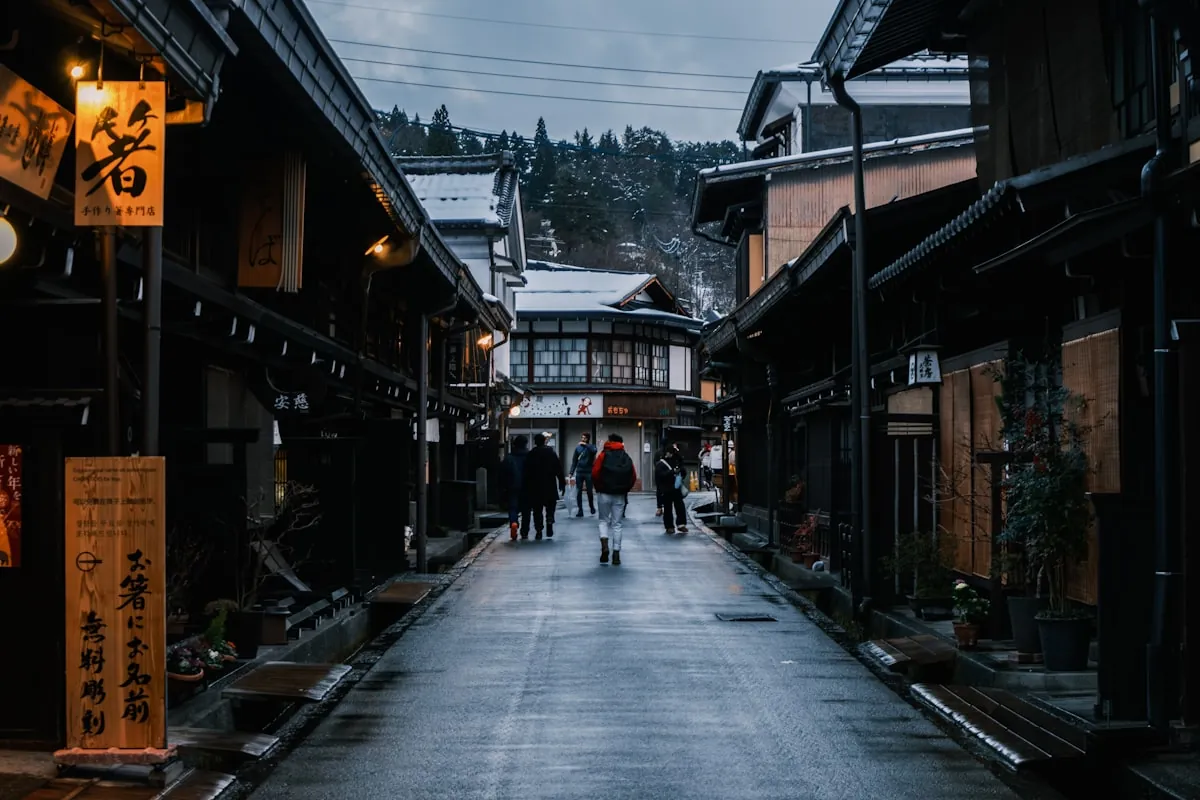
Kurayoshi White-Wall Storehouse District
An Edo-period merchant district preserved largely intact — white-plaster storehouses now home to sake breweries, soy-sauce makers, and craft cafés
Edo storehouse district
- White-walled storehouses
- Sake & soy makers
- Edo streetscape
Misasa Onsen
One of Japan's highest-radon hot-spring towns — therapeutic mineral waters, riverside ryokan, and a designated Japan Heritage site
Radon-rich hot springs
- Radon-rich water
- Riverside ryokan
- Japan Heritage
Mitokusan Sanbutsuji Temple
Tucked into a vertical cliff face above Misasa — Japan's most dangerously sited temple, requiring a ropes-and-roots scramble to reach
Cliff-face temple
- Cliff-face temple
- Climb required
- National treasure
When to Visit
Tottori has four sharply distinct seasons, with snowy winters typical of the San'in coast.
Springharu
Apr – May10–22°CModerate crowds
Springharu
- Cherry blossoms early to mid-April at Tottori Castle ruins
- Comfortable for cliff-temple climbs at Mitokusan
- Mount Daisen hiking season opens late April
- Golden Week busy at the Sand Dunes
Summernatsu
Jun – Aug20–30°CHigh crowds
Summernatsu
- Beach season on Uradome Coast
- Rainy season through early July
- Sand Dunes hottest
- Daisen hiking peak
Autumnaki
Sep – Nov10–22°CModerate crowds
Autumnaki
- Foliage at Daisen and Misasa late October to mid-November
- Comfortable for cliff-temple climbs
- Less crowded sand dunes
- Light typhoon risk through October
Winterfuyu
Dec – Mar0–8°CLow crowds
Winterfuyu
- Snow at Mount Daisen — skiing
- Sand Dunes occasionally white
- Winter onsen at Misasa
- Crab season at coastal harbours
Suggested Itineraries
From a quick dunes day to a deeper San'in coast loop.
FAQ
How do I get to Tottori from Tokyo or Osaka?
From Tokyo: shinkansen to Okayama (3.5h) then JR Limited Express Super Inaba (2h) to Tottori. From Osaka: JR Limited Express Super Hakuto direct to Tottori (2.5h). Domestic flights from Haneda land at Tottori Airport (1h).
Are the Tottori Sand Dunes really like a desert?
Smaller than the Sahara but visually similar — kilometres of shifting sandhills, occasional camel rides, paragliding, and sandboarding. Free to enter, with the Sand Museum offering changing exhibitions of large-scale sand sculpture. Wear closed-toe shoes; the sand gets hot in summer.
Is Misasa Onsen worth the detour?
For onsen enthusiasts, yes — Misasa is among Japan's three highest-radon hot springs and considered medicinal. Combined with the cliff-face Mitokusan Sanbutsuji Temple climb just up the valley, it makes for a memorable overnight. Most ryokan have private river-view baths.
What is Tottori best known for?
The Tottori Sand Dunes — Japan's only major sand desert — followed by Mount Daisen (western Honshu's tallest peak), Misasa Onsen's radon waters, and the cliff-face Mitokusan Sanbutsuji Temple.
How many days do I need in Tottori?
One day for the sand dunes alone (often as a side trip from Osaka). Two days adds Misasa Onsen or Mount Daisen. Three days lets you see the Uradome Coast, the dunes, Misasa, and Mitokusan in a relaxed pace.
What are Tottori's hidden gems?
The Uradome Coast's pine-clad sea-cliff islets, the Edo merchant streets of Kurayoshi's White-Wall Storehouse District, the radon-rich Misasa Onsen, and the impossible cliff-face Mitokusan Sanbutsuji Temple climb above it.