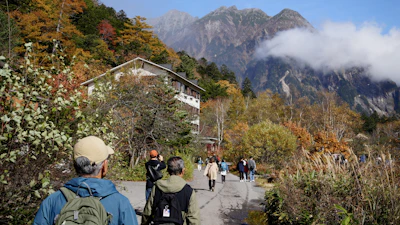
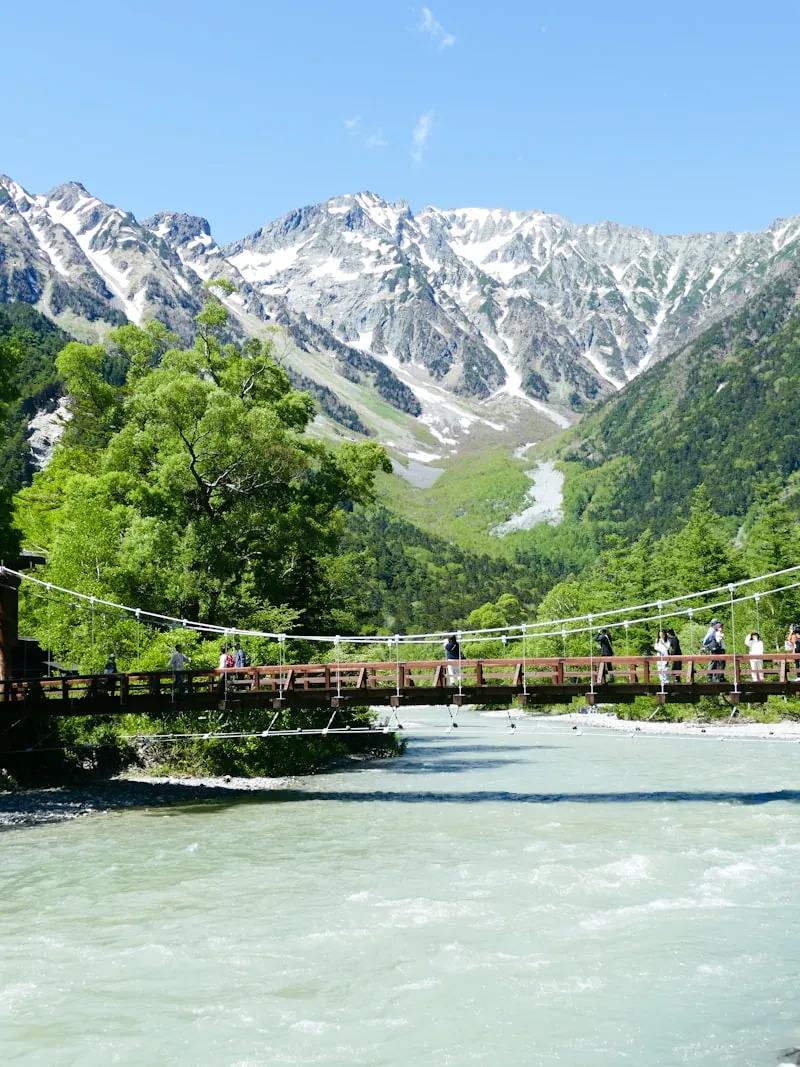
Kamikochi sits at 1,500m in a flat alpine valley between the granite peaks of the Hotaka range. It’s the most accessible serious mountain landscape in Japan — the bus drops you at Kappa-bashi suspension bridge, you walk a flat forest trail along the Azusa river, and within 90 minutes you’re standing in alpine views you’d otherwise need a multi-day climb to reach. The catch: it’s only open 15 April to 15 November (snow closes the access road), private cars are banned year-round, and accommodation books out months ahead in summer.
When to Visit
Springharu
Apr–May3–17°CModerate crowds
Springharu
- Park opens 15 April with grand opening ceremony at Kappa-bashi
- Snow remnants on shaded peaks until late May
- Lush green river valley already in May
Summernatsu
Jun–Aug15–24°CHigh crowds
Summernatsu
- Alpine meadow flowers in June
- Coolest accessible mountain destination
- Busiest weeks Jul-Aug — book accommodation 4+ months ahead
Autumnaki
Sep–Nov5–18°CHigh crowds
Autumnaki
- Late September autumn colour starts on Hotaka peaks
- Mid-October koyo peak — most photogenic season
- Park closes 15 November; last mountain hut closes early Nov
Winterfuyu
closedclosedLow crowds
Winterfuyu
- Park closed — access road snowbound
- Hardcore winter hikers ski the access road
- Plan to visit in shoulder season instead
What to Do in Kamikochi
The standard day-walk takes 3-5 hours; multi-day hikes head deeper into the Hotaka range.
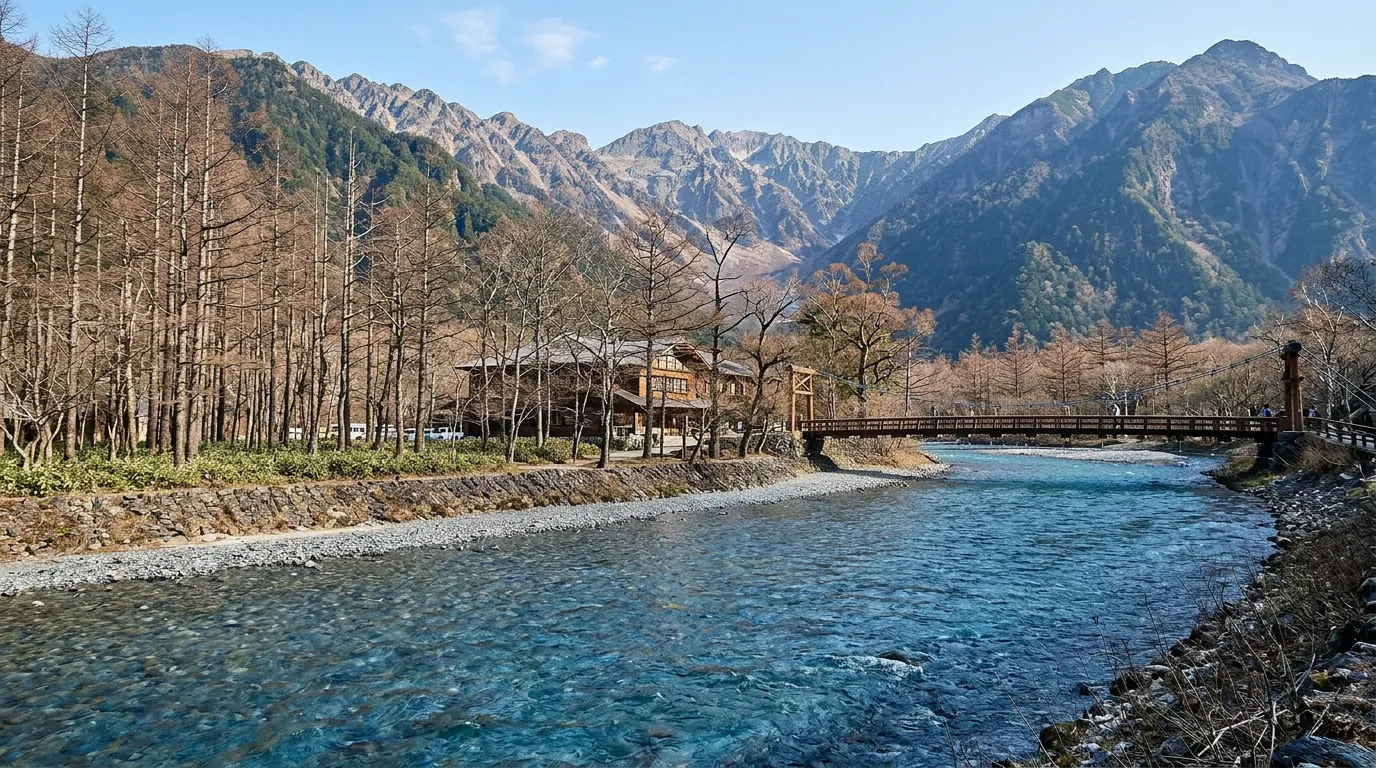
The wooden suspension bridge in the centre of the valley — postcard photograph, busiest spot, but unmissable
Iconic suspension bridge
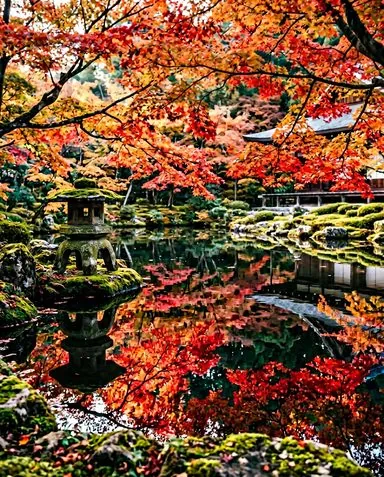
Reflective pond at the western entrance with Yake-dake volcano in the background — best at sunrise mist
Reflective alpine pond
 Hidden Gem
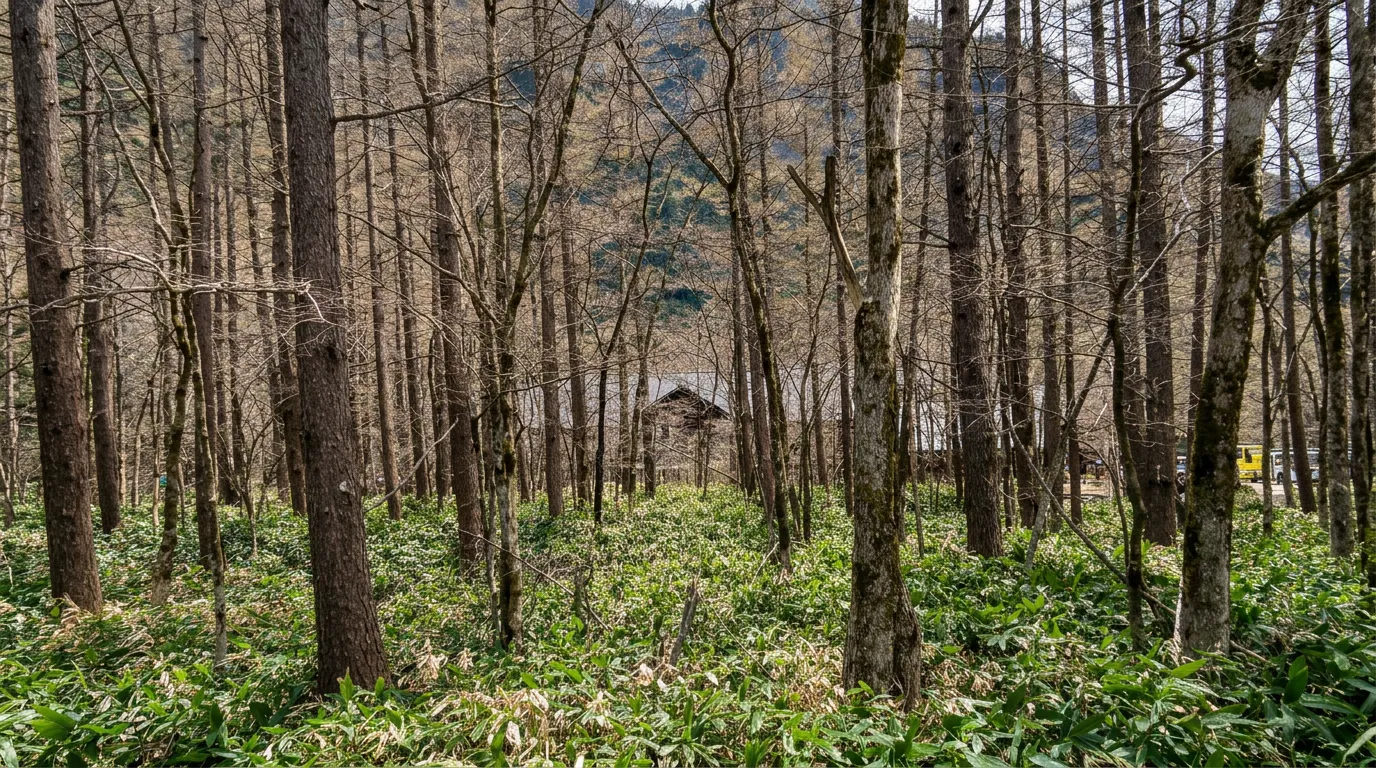
Pristine alpine pond 60 minutes east of Kappa-bashi along a flat forest trail — far quieter than the central valley
Quiet alpine pond
 Hidden Gem
2 hours further east; gateway to the serious Hotaka climbing routes — day-trippers turn back here, climbers sleep in the hut
Gateway to Hotaka climbs
 Hidden Gem
Smaller pond between Taisho-ike and Kappa-bashi — quieter than either, with the same reflection-of-Hotaka shot
Quieter reflection pond
Bronze relief honouring Walter Weston, the British missionary who introduced ‘modern’ alpinism to Japan in the 1890s
Bronze alpinism memorial
Skip the Crowds
- Stay overnight at a hut. Day-trippers leave on the last bus by 17:00; you have the valley nearly empty for sunrise/sunset on day two.
- Walk Myojin-ike, not just Kappa-bashi. 60 minutes east of Kappa-bashi along the river — gorgeous alpine pond, fraction of the visitors.
- June over July-August. Same flowers, half the crowds. Late September similar — peak koyo brings them back.
- Take the first bus from Matsumoto. 06:30 departure puts you at Kappa-bashi for sunrise mist over the river.
Food & Drink
Mountain restaurants are limited and expensive; most hikers bring their own. The hotels and huts serve fixed-menu meals.
★ Author's PickKamonjigoya
Mountain hut restaurant on the way to Myojin-ike — open day-time only
MyojinCheck availability →Imperial Hotel Café Lounge
Historic alpine hotel café for non-staying visitors
Imperial Hotel areaCheck availability →Where to Stay
Three tiers: historic hotel, mid-range, mountain hut. Book all of them 3-6 months ahead in summer.
★ Author's PickImperial Hotel Kamikochi
Historic 1933 alpine resort, the original Kamikochi hotel
Imperial Hotel areaCheck availability →Kamikochi Hotel Shirakabaso
Mid-range hotel near Kappa-bashi, two meals included
Kappa-bashiCheck availability →Tokusawa-en
Mountain hut for hikers continuing past Myojin-ike, two meals included
TokusawaCheck availability →Day Trips
Most visitors do Kamikochi as a day trip from Takayama or Matsumoto. The valley pairs naturally with these other Northern Alps destinations.
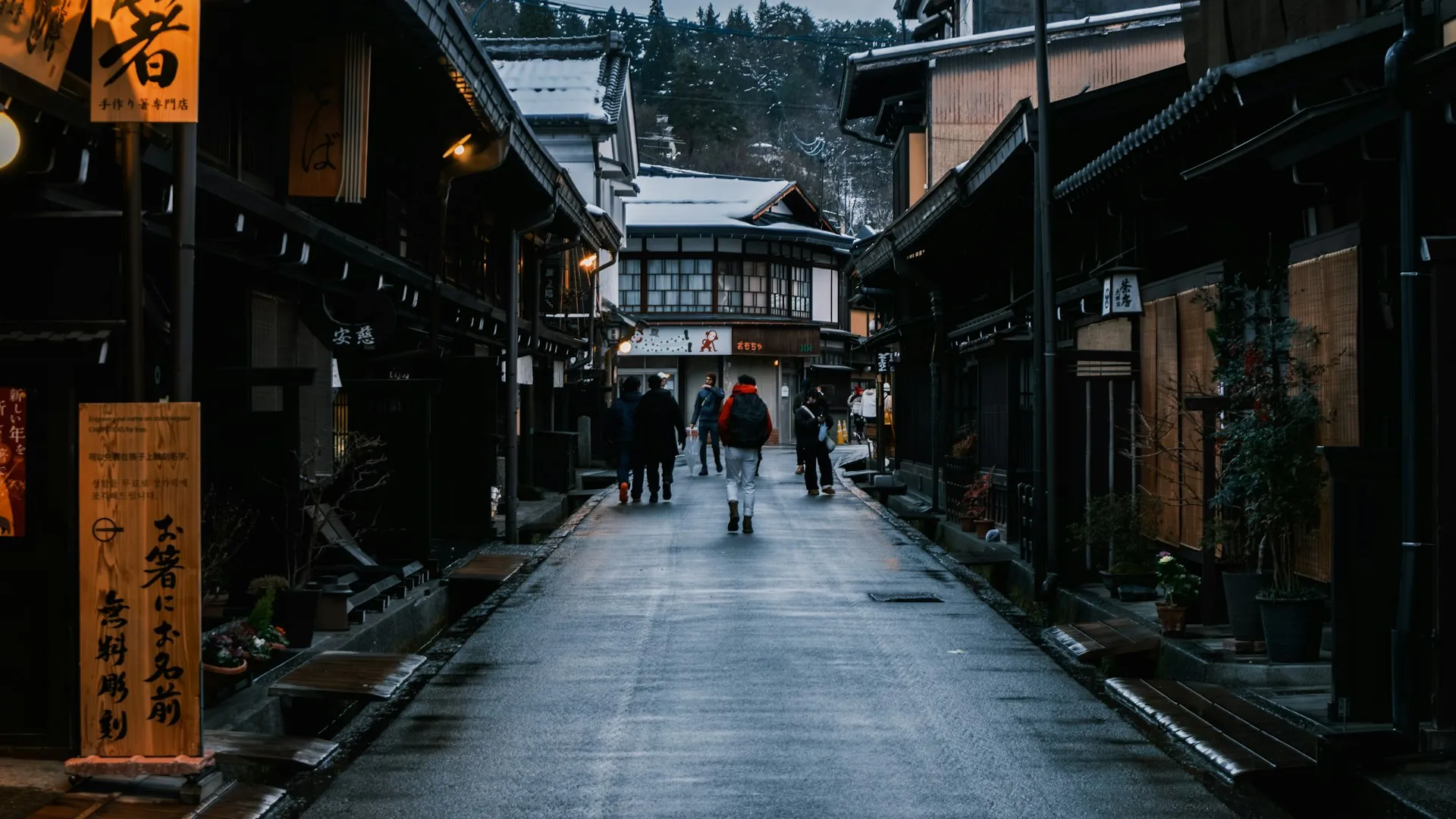
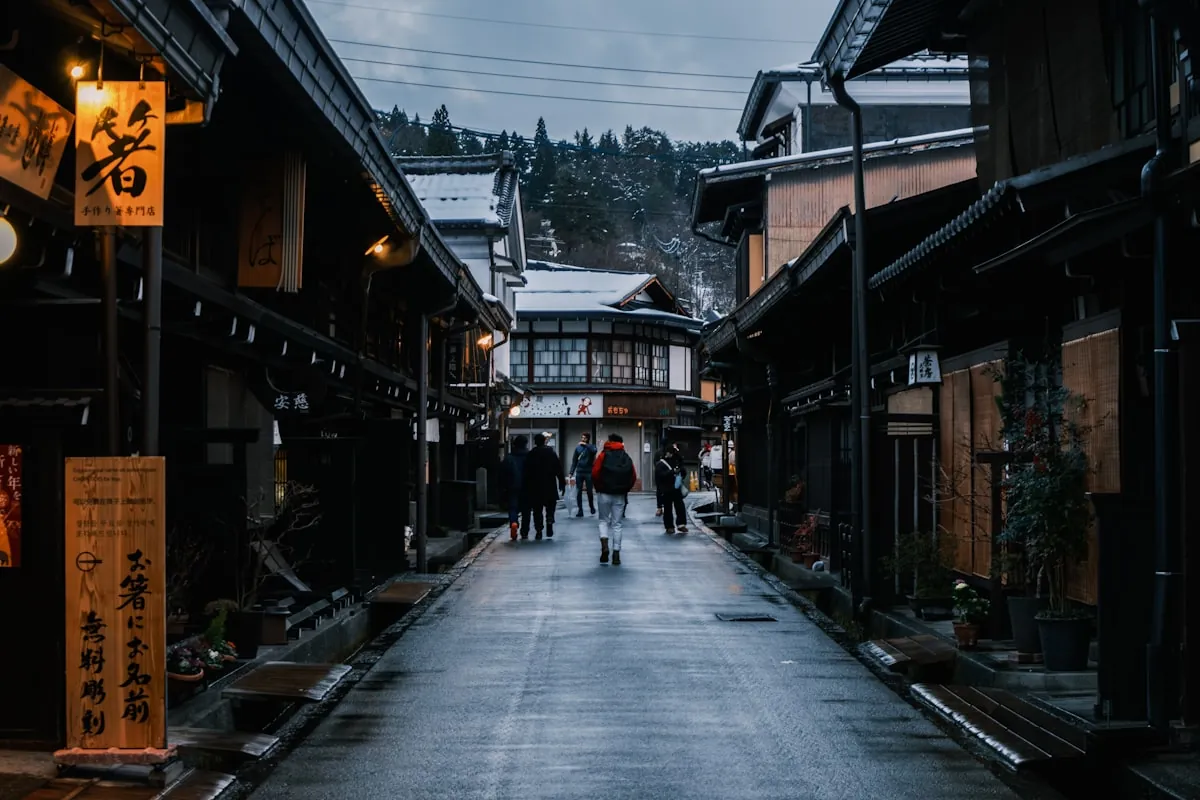
Takayama
Edo-era merchant town in Gifu, 2.5 hours west by Nohi bus over Norikura pass
Edo merchant town
- Sanmachi-suji old town
- Six in-town sake breweries
- Spring/autumn matsuri
Matsumoto
Original 16th-century black castle and the alpine gateway, 90 minutes east by bus
Original alpine castle
- Matsumoto-jo black castle
- Nakamachi-dori warehouse street
- Norikura highlands extension
Norikura
3,026m alpine peak with summer skiing and bus access to a high-altitude meadow, 30 min from Kamikochi by bus
3,026m alpine peak
- Bus to 2,700m altitude
- Summer wildflower meadow
- Snow-walking even in July
How to Get There
Getting There
- 1Take Matsumoto Electric Railway → Shin-Shimashima Station
- 2Transfer to Alpico Bus → Kamikochi Bus Terminal
- 1Take Nohi Bus over Norikura pass → Kamikochi Bus Terminal
- 1Take JR Chuo Limited Express Azusa → Matsumoto Station
- 2Continue via Matsumoto Electric Railway + Alpico Bus → Kamikochi Bus Terminal
Tips for Visiting
- Park access fee — ¥300 per visitor in 2026, going up to ¥500 by 2027 to fund trail maintenance.
- No private cars allowed. Park at Sawando (Matsumoto side) or Hirayu Onsen (Takayama side) and take the shuttle bus.
- Closed November 16 to April 14. Snow closes the access road and most facilities. Plan around this.
- Reserve mountain huts 3-6 months ahead in summer/autumn. Day-walk only? No reservation needed; just take the bus.
- Bring layers. Even August mornings are 12°C; the valley sits at 1,500m. Light rain jacket essential — Kamikochi weather changes hourly.
FAQ
How long do I need at Kamikochi?
One day is enough for the standard Taisho-ike → Kappa-bashi → Myojin-ike walk (5 hours). Two days unlocks the early-morning quiet at Kappa-bashi for sunrise mist plus a longer Yokoo-direction hike. Multi-day Hotaka climbs need 3+ days.
Takayama or Matsumoto as the base?
Matsumoto is closer (90 minutes total) but the bus route is less scenic. Takayama is 2.5 hours over Norikura pass — gorgeous mountain road and a more interesting overnight base. Most international visitors do it from Takayama.
Can I climb Hotaka from Kamikochi?
Yes — the Hotaka traverses (Yari-Hotaka, Kamikochi-to-Hotakadake) start from Kamikochi but require 2-3 days minimum, mountain hut bookings, and serious altitude/exposure. Day-walkers should turn back at Yokoo Sansou.
Is Kamikochi closed in winter?
Yes — November 16 to April 14 the access road is closed and most facilities shut. Hardcore winter hikers ski the road in, but it’s not a casual visit. Plan to visit in shoulder seasons (May, late September, mid-October) for the best mix of access + quiet.