
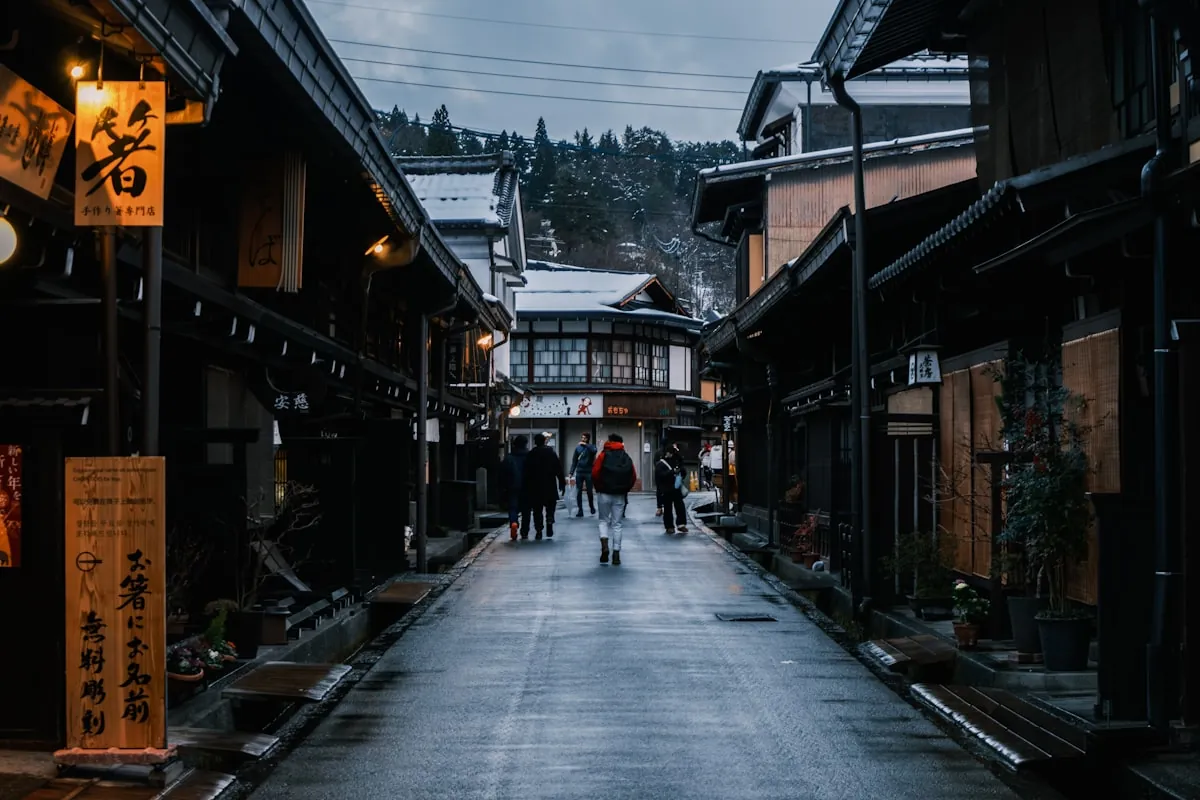

Asakusa is the most photographed neighbourhood in Tokyo and one of the worst-eaten-in. The crowds arrive for Senso-ji at 11:00 and leave for Shibuya at 16:00, and the food in between gets aimed at exactly that window — five-hundred-yen sweet potato chips, ¥1,800 tourist-menu tempura, soft-serve in eight novelty flavours. The ramen survives anyway. Five minutes off Nakamise-dori, in side streets where the office workers from the local ward queue at 12:15, sit some of the most committed ramen masters in Tokyo. These are the five I’d line up for.
Asakusa is shitamachi — Tokyo’s old downtown, the working-class riverside district that survived earthquakes and fire-bombings and somehow kept its 1950s street pattern. That shows up on the menu. The signature Asakusa style sits closer to classic Tokyo shoyu than to the heavier tonkotsu of Kyushu or the thick miso of Hokkaido — a clear, soy-forward broth built on chicken, pork bones, and katsuobushi. But the best shops here all do their own thing, and three of the five below break that mould entirely.
1. Fuji Ramen — the tonkotsu I keep coming back for
 ★ Author's Pick
Fuji Ramen (富士らーめん)
Ten-seat counter with a glass-partitioned noodle workshop at the front; both masters speak good English. Cash only. Tue–Sun 11:00–21:30, closed Mondays. Tsukuba Express Asakusa Stn 2 min walk.
1-24-5 Asakusa, Taito-ku (near ROX building, Kokusai-dori)View on Google Maps →Fuji Ramen has the smallest in-shop noodle-making room I’ve seen in Tokyo. It sits behind a glass partition right inside the front door — two pasta-extruders, a stack of flour sacks, and one of the masters working through the day’s batch. By the time you sit down at the counter, the noodles in your bowl were made eight metres from your stool.

I’ve eaten here multiple times. I order the same thing every visit: the Masterpiece. It’s their signature tonkotsu — pork-bone broth boiled for hours until it goes pale and silky like a chowder — finished with shredded cabbage, a sheet of nori, scallions, a half-marinated egg with a soft amber yolk, and two thick slices of chashu pork that have been grill-marked at the edges. The cabbage is the surprise. Most tonkotsu shops drop in bean sprouts; here the cabbage soaks up the broth and keeps each bite from getting too rich.
Both of the masters speak good English — which is rare for a shop this small — and they’ll happily talk you through the menu while they cook. Cash only, no queue most weekday lunches, ten-minute wait by 13:00 on weekends. It’s a five-minute walk from Senso-ji through the back streets behind ROX, away from the temple crowd. I send everyone I know there.
Fuji Ramen on Tabelog → 3.46★ / 321 reviews
2. Asakusa Ramen Yoroiya — the Tokyo shoyu classic
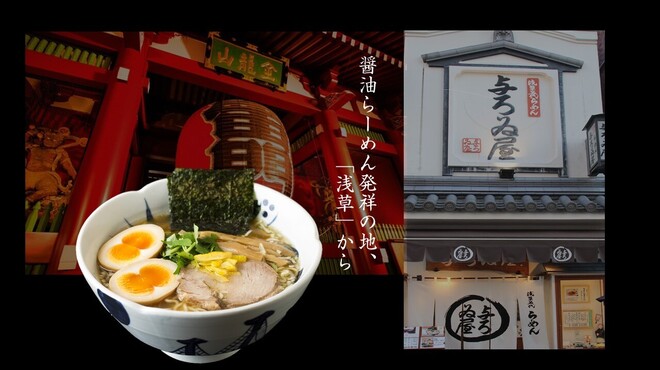
Asakusa Ramen Yoroiya (与ろゐ屋)
Running since 1992. House-made noodles, double-yolk egg option, cash only. Daily 11:00–21:00 plus a morning ramen service 8:30–10:00. One minute from Senso-ji.
1-36-7 Asakusa, Taito-kuView on Google Maps →Yoroiya has been pouring shoyu ramen in Asakusa since 1992 and it tastes like it. The broth is the old-Tokyo blueprint — pork, chicken, dashi, soy — finished with a hit of yuzu from Kochi prefecture and clean enough to drink to the bottom, with house-made noodles that hold their bite. Order the gyoza on the side: handmade every morning with chicken thigh and glass noodles instead of the usual pork-and-cabbage, and no garlic. Around half of the regulars order them, and you’ll understand why on the first bite. The shop also runs a quietly excellent vegan ramen if anyone in your party needs one — rare for an old-school Tokyo place — and a separate morning service from 8:30 if you’re jet-lagged and hungry at 09:00.
Yoroiya on Tabelog → 3.65★ / 1,207 reviews
3. Tokyo Toripaitan Ramen Yukikage — chicken paitan, one minute from Kaminarimon
Tokyo Toripaitan Ramen Yukikage (ゆきかげ)
Modern shop, 29 seats. QR-code ordering at the seat, credit cards and PayPay accepted, English menu. Open 11:00–15:00 and 17:00–23:30 daily.
1-2-12 Asakusa, Taito-ku (1 min from Asakusa Stn Ginza Line, Exit 1)View on Google Maps →Yukikage is what happens when a chicken-broth specialist sets up shop one minute from Kaminarimon and refuses to dumb anything down. The signature Rich Chicken POTA Soba (¥1,300) is the bowl that converts shoyu sceptics — a thick, almost potage-like broth from chicken bones reduced until it goes opaque and silky, with house noodles, chashu, and a slow-marinated egg. Ordering is via QR code at your seat, cards accepted, English menu printed — so this is also the most accessible bowl on the list if you’re nervous about Japanese ticket machines. Aim for before noon or after 14:00 to skip the lunch queue.
Yukikage on Tabelog → 3.51★ / 620 reviews
4. Ramen Hayashida Asakusa — the refined modern shoyu
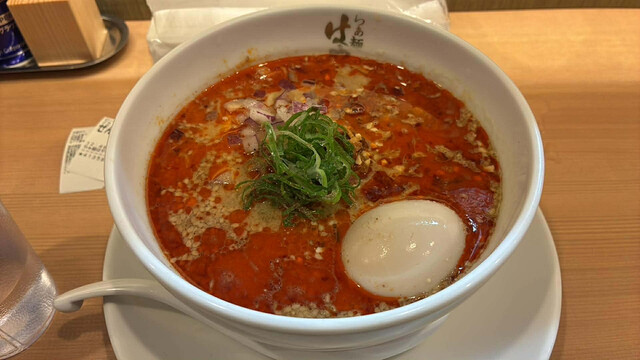
Ramen Hayashida Asakusa (らぁ麺 はやし田)
Asakusa branch of the Hayashida chain (originally Shinjuku, 2017); this branch opened April 2024. Daily 10:00–23:00. 148 m from Asakusa Stn. Credit cards accepted. Counter on 1st floor, tables on 2nd.
1-33-3 Asakusa (Sawada Building), Taito-kuView on Google Maps →Hayashida is the contemporary entry — a small chain that started in Shinjuku in 2017 and has been quietly opening branches in the neighbourhoods that need a serious bowl. The Asakusa branch opened in April 2024 and runs the same playbook as the others: round, rich chicken-paitan broth and a refined shoyu option, restrained toppings, house noodles that snap. It opens at 10:00, which is unusually early for Tokyo ramen, and runs until 23:00, which is unusually late — so if you’ve landed at Narita on a 21:00 flight or you missed lunch chasing Senso-ji photos, this is the one that’s still serving. 148 metres from Asakusa Station; counter seats downstairs, tables upstairs, cards accepted.
Hayashida Asakusa on Tabelog →
5. Asakusa Jukusei Miso Ramen Noriaki Bibi — the wildcard
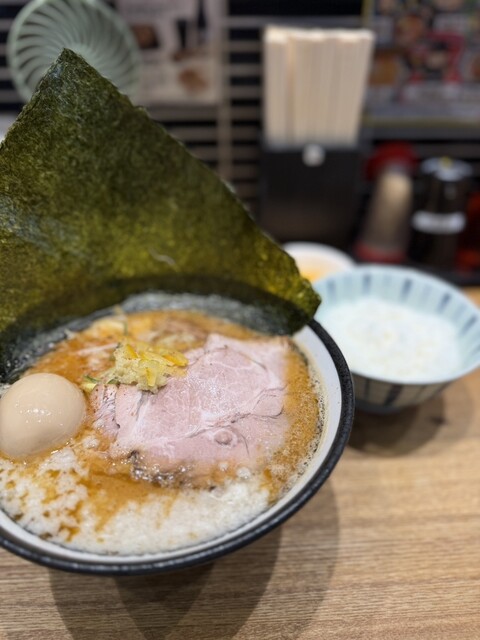
Asakusa Jukusei Miso Ramen Noriaki Bibi (浅草 熟成味噌らーめん のりあき・美々)
Tiny — 6 counter + 1 table seat. Owner spent 17 years at the Keisuke ramen group. Daily 11:30–14:30 and 18:00–23:00. Non-smoking.
Komagata 1-9-9 (Kawajiri Mansion 1F), Taito-ku — 2 min from Toei Asakusa StnView on Google Maps →Bibi is the wildcard. Miso ramen is Hokkaido’s signature style, not Tokyo’s, but Bibi’s owner spent seventeen years at the Keisuke ramen group before opening his own place — and he made the miso the entire point. The sauce is a blend of four different misos, aged before it ever hits a bowl, and the result is rich and complex without the salt-spike that mediocre miso ramen falls into. It sits two minutes from Toei Asakusa Station in Komagata — technically one block south of Asakusa proper, but close enough to count — with just seven seats inside. The bowl on this list that locals are most likely to send you to over the touristy shoyu options on the main streets.
Bibi on Tabelog → 3.71★ / 679 reviews
How to eat ramen in Asakusa
- Cash, small denominations. Three of the five take cash only. Bring at least ¥3,000 in coins and ¥1,000 notes. Hayashida and Yukikage are the cards-accepted exceptions.
- Ticket machines. At Yoroiya and Bibi you’ll order at a vending machine before sitting down. Buttons are in Japanese; the top-left button is almost always the standard ramen — press that if in doubt, then hand the ticket to the master.
- Slurp. Not just permitted, expected. It cools the noodles and aerates the broth across your palate. Silence is the foreign signal.
- Timing. Pre-noon (11:00–11:30) or post-lunch (14:00–17:00) skips every queue. Sunday lunch is the worst time everywhere in Asakusa.
- Skip Nakamise-dori for real meals. Eat your senbei and ningyo-yaki on Nakamise — that’s what it’s for. But walk one block in any direction for everything else.
- Two-bowl day. Most of these places run between ¥1,100 and ¥1,500. If you’re a serious eater, doing two shops in one day (lunch at Fuji, dinner at Yukikage, or vice versa) is a perfectly normal Asakusa programme.
Related reading
- Asakusa neighbourhood guide — the wider shitamachi: Senso-ji, Nakamise-dori, the back-streets these ramen shops sit in.
- Tokyo city guide — the twenty-three wards, the second-trip neighbourhoods, where to base yourself.
- Japanese Food — interest hub with all our food articles.
- Tokyo Airport to City — Narita and Haneda to Asakusa, every option compared.