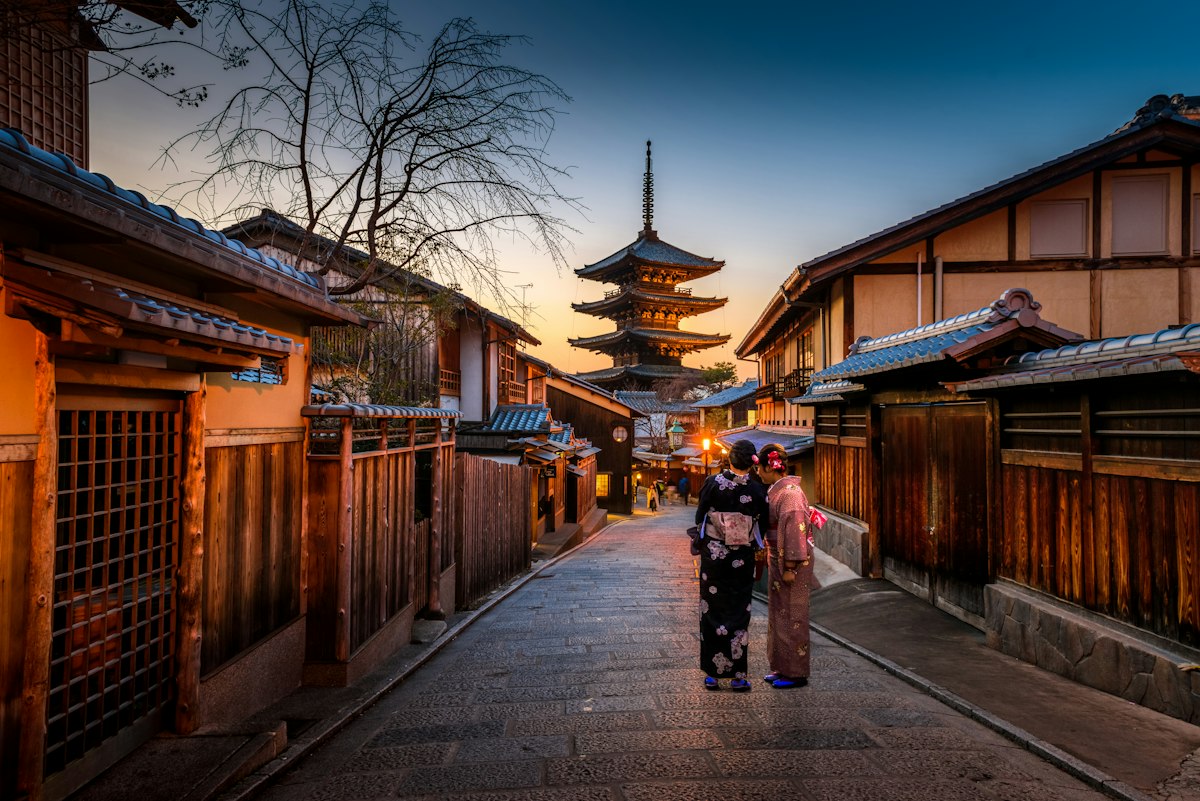

Kanazawa is what Kyoto would be if the tourists hadn't found it yet. This former castle town on the Japan Sea coast preserves traditional culture not as museum pieces, but as living neighborhoods where artisans still practice centuries-old crafts, geishas walk cobblestone streets, and one of Japan's most perfect gardens remains refreshingly uncrowded. While tour buses clog Kyoto's temples, Kanazawa's Higashiyama district glows with lantern light at dusk, its tea houses and sake bars welcoming visitors into an authentic slice of old Japan.
What to Do in Kanazawa
One of Japan's top three gardens, stunning in every season
Top three garden of Japan
Atmospheric geisha district with tea houses and gold leaf shops
Historic geisha district
Innovative contemporary art in a stunning circular building
Contemporary art museum
Quieter geisha district along the Asano River with intimate tea houses
Quiet riverside geisha area
300-year-old market with the freshest seafood from the Japan Sea
Historic seafood market
Kanazawa's charm lies in how seamlessly traditional and contemporary culture blend. Start with Kenrokuen Garden Guide in the early morning when mist rises from its ponds, then lose yourself in the narrow streets of Higashiyama where gold leaf artisans still practice their craft. The 21St Century Museum Guide showcases how modern Japan embraces innovation while honoring tradition.
Beyond the famous sites, seek out Kazuemachi district — a quieter geisha area where tea houses line the Asano River and you're more likely to spot an actual geiko heading to an appointment. The neighborhood feels residential rather than touristy, with locals walking their dogs past centuries-old wooden buildings.
For a deeper dive into traditional crafts, visit working studios where Kutani pottery masters shape clay that's been fired here for 350 years. Many workshops welcome visitors to watch the process and even try their hand at painting the distinctive colorful glazes.
Skip the Crowds
The secret to experiencing Kanazawa authentically is timing and knowing where locals go. Visit Kenroku-en right at opening — 7am in summer, 8am in winter. By 10am, tour groups arrive and the serene morning atmosphere evaporates. The Higashi Chaya district transforms at dusk when the lanterns come on, creating magical photo opportunities without the daytime crowds.
Instead of following the main tourist route through Higashiyama's central street, duck into the side alleys where traditional machiya townhouses have been converted into intimate galleries and workshops. The real geisha action happens in Kazuemachi anyway — fewer visitors means you might actually see geishas heading to evening appointments.
For temple visits, skip the crowded Oyama Shrine and head to Tentoku-in, a hidden zen temple in the hills where moss gardens create perfect meditation spots. The walk there through residential neighborhoods shows you how Kanazawa locals actually live.
Food & Drink
Kanazawa sits on the Japan Sea, meaning incredibly fresh seafood that rivals Tokyo's best at a fraction of the price. Omicho Market has been the city's kitchen for 300 years — try the kaisendon (seafood bowl) at any stall for the freshest fish you'll ever taste. The crab, sweet shrimp, and yellowtail caught that morning make even simple rice bowls extraordinary.
Kaga cuisine represents Kanazawa's refined food culture, emphasizing seasonal ingredients and delicate presentation. Try jibuni (duck hot pot) or nodoguro (blackthroat seaperch) at family-run restaurants in the Katamachi entertainment district. Many traditional restaurants close early — around 8pm — so don't expect Tokyo-style late dining.
Kanazawa's sake scene deserves special attention. The soft water from the Hakusan mountains creates distinctly smooth sake. Visit Fukumitsuya brewery, operating since 1625, for tastings that pair perfectly with local seafood. Their tasting room overlooks the brewing process, where traditional methods remain unchanged for centuries.
For a casual meal, head to the standing bars around Kanazawa Station where salarymen gather after work. These spots serve excellent local dishes at reasonable prices, and the atmosphere captures everyday Kanazawa life better than tourist restaurants.
Where to Stay
Kanazawa's accommodation scene balances traditional ryokan experiences with modern comfort, often in historic buildings that maintain their original character.
Asadaya
Historic 130-year-old ryokan with impeccable kaiseki dining and traditional architecture
HigashiyamaCheck availability →For the ultimate traditional experience, book Asadaya ryokan for authentic hospitality in a building that's hosted travelers since the Meiji era. The kaiseki dinners showcase Kaga cuisine at its finest, and the location puts you steps from Higashiyama's tea houses.
Hotel Nikko Kanazawa
Modern luxury hotel directly connected to Kanazawa Station with excellent breakfast
Station AreaCheck availability →Hotel Nikko provides contemporary comfort with direct station access — perfect for day trips to the Noto Peninsula. The breakfast buffet features local specialties alongside international options.
Guesthouse Pongyi
Charming guesthouse in a converted machiya with helpful local hosts
KatamachiCheck availability →Budget travelers appreciate Guesthouse Pongyi's authentic machiya setting and knowledgeable hosts who share insider tips about hidden local spots.
Kanazawa Machiya Inn
Boutique inn in restored traditional townhouse blending old architecture with modern amenities
NagamachiCheck availability →Day Trips from Kanazawa
Kanazawa serves as an excellent base for exploring the broader Ishikawa Prefecture and Japan Sea coast. The Noto Peninsula offers rural Japan experiences just an hour away, while coastal villages preserve traditional crafts and lifestyles.
Wajima hosts one of Japan's most authentic morning markets, operating for over 1,000 years. The town also produces the finest urushi lacquerware in Japan — visit workshops where artisans apply dozens of lacquer layers over months to create pieces that last centuries. The 2-hour journey each way makes for a full day exploring this UNESCO-recognized craft.
For dramatic coastal scenery, take the Thunderbird express to Fukui to see the Tojinbo cliffs — 1.5 hours each way to witness 25-meter basalt columns carved by Japan Sea waves. The geological formations create one of Japan's most dramatic coastlines, especially striking during winter storms.
The Kaga Onsen region, 30 minutes south, encompasses four historic hot spring towns. Yamashiro Onsen's public bathhouse has welcomed visitors for 1,300 years, while Yamanaka Onsen offers riverside rotenburo (outdoor baths) surrounded by forest. Each town maintains its own character and bathing traditions.
Itineraries
Whether you have one day or a week, Kanazawa rewards different approaches to exploration. Browse our detailed itineraries to discover the perfect rhythm for your visit, from intensive cultural immersion to relaxed seasonal experiences.
Tips for Visiting Kanazawa
Photography etiquette matters in Kanazawa's traditional districts. While the Higashi Chaya district welcomes photos of buildings and streetscapes, avoid photographing geishas directly — especially with flash. If you spot one, observe respectfully from a distance. Many tea houses display signs indicating whether photography is permitted inside.
Seasonal timing dramatically affects your experience. Spring brings cherry blossoms to Kenroku-en but also crowds. Summer means early morning garden visits are essential to beat both heat and tour groups. Autumn offers spectacular foliage with manageable crowds, while winter's snow creates ethereal beauty but requires warm clothing for outdoor exploration.
Many traditional restaurants and shops close early — some as early as 6pm. Plan cultural activities for daytime and save modern restaurants and bars for evening. The Katamachi district stays lively later, with izakaya and sake bars open until midnight.
Transportation within Kanazawa centers on the Loop Bus, but walking often proves faster and more rewarding. The historic districts connect via pleasant walking routes that reveal neighborhood life between major attractions. Rent a bicycle for covering longer distances — the city is remarkably flat and bike-friendly.
Tourist traps to avoid include overpriced gold leaf ice cream (novelty over taste) and souvenir shops selling mass-produced "traditional" crafts. Instead, seek out working artisan studios where you can watch actual craftspeople and purchase authentic pieces directly from makers.
FAQ
How many days do you need in Kanazawa?
Two to three days allows you to see the main attractions without rushing, plus one day trip to the Noto Peninsula or Kaga Onsen. One day covers the highlights but feels rushed, while a week lets you explore traditional crafts workshops and multiple day trip destinations.
Is Kanazawa better than Kyoto for traditional culture?
Kanazawa offers a more authentic experience with fewer crowds and living traditional neighborhoods where locals still practice ancient crafts. Kyoto has more temples and historical sites, but Kanazawa feels less touristy and more genuine for cultural immersion.
What's the best time to visit Kenroku-en Garden?
Early morning (7am opening in summer, 8am in winter) offers the most peaceful experience with beautiful light and mist. Avoid 10am-3pm when tour groups arrive. Evening visits during illumination periods (winter and cherry blossom season) create magical atmosphere.
Can you see geishas in Kanazawa?
Yes, but they're called "geiko" locally. Your best chance is in Kazuemachi district at dusk (around 6-7pm) when they head to appointments. Higashiyama also has geiko, but it's more touristy. Always observe respectfully from a distance without flash photography.
How do you get from Tokyo to Kanazawa?
Take the Hokuriku Shinkansen from Tokyo Station to Kanazawa Station (2.5 hours, ¥7,340). Trains run every 20-30 minutes. The JR Pass covers this route. Flying is possible but less convenient when you factor in airport transfers.
What should you buy in Kanazawa?
Authentic Kutani pottery, gold leaf crafts (from actual workshops, not souvenir shops), and urushi lacquerware represent the city's traditional crafts. Local sake and wagashi sweets make excellent edible souvenirs. Avoid mass-produced "gold leaf" products and buy directly from artisan studios.
Is Kanazawa expensive?
More affordable than Tokyo or Kyoto for food and accommodation. Budget ¥8,000-15,000 per day including mid-range lodging, meals, and attractions. Seafood at Omicho Market offers exceptional value, while traditional ryokan and craft workshops represent the higher end of costs.
Do you need to speak Japanese in Kanazawa?
Basic Japanese helps, especially in traditional restaurants and craft workshops. Major attractions have English signage, but local neighborhoods have limited English. Download a translation app and learn basic phrases. Locals are patient and helpful with communication attempts.