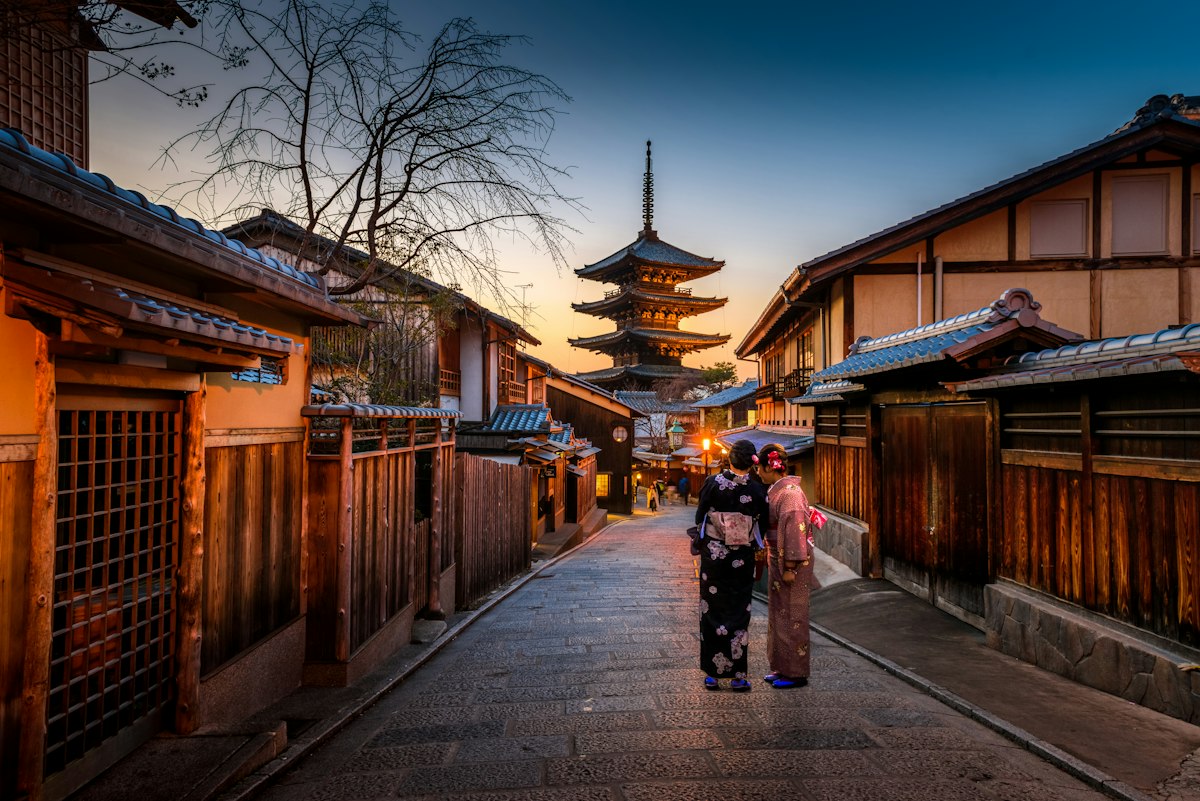

Japanese food culture runs deeper than the sushi counters and ramen shops that dominate travel guides. It's woven into the fabric of daily life through seasonal celebrations, regional pride, neighborhood gathering spots, and home cooking traditions that have shaped communities for generations. While tourists queue for famous restaurants, the real soul of Japanese cuisine lives in rural farmhouses, yokocho alleys, and family kitchens where food connects people to place, season, and each other.
The Soul of Japanese Food Culture: Beyond Sushi and Ramen
True Japanese food culture begins with washoku — a philosophy that treats cooking as a form of respect for nature, season, and community. This UNESCO-recognized approach to food emphasizes balance, seasonality, and the inherent flavors of ingredients rather than heavy sauces or elaborate preparation. It's why a simple bowl of rice with pickled vegetables can feel more authentically Japanese than an elaborate kaiseki meal designed for tourists.
The Washoku Philosophy
Washoku isn't just about food — it's a worldview that sees cooking as a way to honor the natural world. Every meal should reflect the current season, use ingredients at their peak, and balance five colors, five flavors, and five cooking methods. This philosophy shows up in everything from the vegetables chosen for a home-cooked meal to the way dishes are arranged to suggest the current season.
Seasonality and Respect for Ingredients
Japanese cooks plan meals around what's naturally available, creating a calendar of food that changes dramatically throughout the year. Spring brings mountain vegetables like bamboo shoots and wild herbs. Summer emphasizes cooling foods and preservation techniques. Autumn celebrates the harvest with chestnuts, persimmons, and new rice. Winter focuses on warming stews and preserved foods that sustained communities through lean months.
Regional Food Cultures: Japan's Hidden Culinary Map
Every region of Japan developed its own food culture based on local ingredients, climate, and history. These regional differences remain strong today, with locals taking fierce pride in their area's specialties. Understanding these regional food cultures opens doors to authentic experiences that most tourists never discover.
Tohoku's Preserved Food Traditions
The harsh winters of northern Japan created a culture of preservation and fermentation that produces some of the country's most distinctive flavors. Tohoku's food culture revolves around pickled vegetables, fermented soybeans, and hearty stews that sustained farming communities through snow-bound months. Local restaurants still serve meals that reflect this preservation-focused approach, using techniques passed down through generations.
Kyushu's Bold Flavors
Southern Japan's proximity to Korea and China, combined with its role as a trading port, created a food culture that embraces stronger flavors and spices than other regions. Kyushu's ramen is notably rich and porky, its hot pot dishes are intensely flavored, and its use of garlic and chili reflects influences from across the sea. This regional boldness stands in stark contrast to the subtle flavors preferred in Kyoto or Tokyo.
Lesser-Known Regional Specialties
Beyond famous regional dishes, every prefecture has local specialties that rarely appear in guidebooks. Shimane's sake brewing culture, Akita's rice-based sweets, Okinawa's unique fusion cuisine — these regional food traditions offer windows into local identity that go far deeper than tourist-friendly explanations of "Japanese cuisine."
The Art of Japanese Dining: Etiquette and Atmosphere
Japanese dining etiquette varies dramatically depending on the setting, from casual neighborhood spots where slurping is encouraged to formal establishments where every gesture carries meaning. Understanding these nuances helps you navigate authentic dining situations with confidence and respect.
Reading the Room: Formal vs Casual Settings
A neighborhood izakaya operates by completely different rules than a traditional ryotei restaurant. In casual settings, noise and energy are welcome — the louder the better. In formal settings, quiet conversation and careful attention to presentation show respect for the chef's artistry. Learning to read these environments helps you behave appropriately and enjoy the experience as locals do.
Chopstick Etiquette Beyond the Basics
While most guides cover chopstick basics, real etiquette goes deeper. Never leave chopsticks standing upright in rice (it resembles incense at funerals), don't point with them, and always place them on the provided rest when not eating. In group settings, use the opposite end of your chopsticks to take food from shared dishes — a sign of consideration that locals notice and appreciate.
Local Food Scenes: Where Real Japanese Food Culture Lives
Authentic Japanese food culture thrives in places tourists rarely find: neighborhood drinking alleys, rural community centers, and family-run establishments that have served the same dishes for decades. These local food scenes offer the most genuine taste of how Japanese people actually eat and socialize.
Neighborhood Yokocho Alleys
Every major city has hidden yokocho — narrow alleys lined with tiny restaurants and bars where locals gather after work. These intimate spaces, often seating fewer than ten people, create a community atmosphere where strangers become friends over shared plates and drinks. The food is usually simple but expertly prepared, focusing on seasonal ingredients and traditional techniques. To find these authentic spots, book accommodations in residential neighborhoods rather than tourist districts.
Rural Farmhouse Dining
Some rural areas offer farmhouse dining experiences where local families prepare meals using vegetables from their own gardens and traditional recipes passed down through generations. These meals showcase regional ingredients and cooking methods that commercial restaurants can't replicate, offering insights into how Japanese food culture developed in agricultural communities.
Community-Based Food Experiences
Local festivals, community centers, and temple events often feature food prepared by volunteers using traditional methods and local ingredients. These community-based food experiences offer the most authentic taste of Japanese food culture, where cooking serves to strengthen social bonds rather than generate profit.
Seasonal Food Culture: The Japanese Calendar on a Plate
Japanese food culture follows the natural calendar more closely than perhaps any other cuisine. Each season brings specific ingredients, cooking methods, and even serving dishes that reflect the current time of year. Understanding this seasonal approach helps you appreciate the deeper meaning behind Japanese meals.
Spring: Cherry Blossom Season Specialties
Spring foods emphasize fresh green vegetables, delicate flavors, and ingredients that suggest new growth. Mountain vegetables like bamboo shoots and wild herbs appear in markets for brief windows. Cherry blossom-themed sweets and pink-colored dishes celebrate the season's most famous symbol, while light preparations allow subtle spring flavors to shine.
Summer: Cooling Foods and Festivals
Summer food culture focuses on cooling the body and preserving energy during hot, humid months. Cold noodles, chilled soups, and refreshing desserts dominate menus. Summer festivals bring street food culture to life with yakitori, shaved ice, and regional specialties that create community gathering points during the hottest months.
Autumn: Harvest Celebrations
Autumn brings the year's most abundant ingredients — new rice, chestnuts, persimmons, and mushrooms that have been foraged from mountain forests. This season's food culture celebrates abundance and preparation for winter, with preservation techniques and hearty dishes that make use of the harvest's bounty.
Winter: Warming Traditions
Winter food culture emphasizes warming foods that build internal heat and strengthen the body against cold weather. Hot pot dishes bring families and friends together around shared meals, while preserved foods and root vegetables provide nutrition during months when fresh ingredients are scarce.
Home Cooking Culture: The Heart of Japanese Food
The real heart of Japanese food culture lives in home kitchens, where daily meals follow principles of balance, seasonality, and simplicity that commercial restaurants often abandon in favor of more dramatic presentations. Understanding home cooking culture reveals how Japanese people actually eat when they're not performing for tourists.
Obanzai: Kyoto's Home Cooking Philosophy
Kyoto's obanzai tradition represents the essence of Japanese home cooking — simple preparations that highlight seasonal ingredients without waste or excess. Obanzai meals use whatever vegetables are available, prepare them simply, and arrange them in ways that create visual harmony and nutritional balance. Some restaurants now serve obanzai-style meals that offer tourists a taste of authentic home cooking culture.
Teishoku: The Balanced Meal Structure
The teishoku meal structure — rice, miso soup, pickled vegetables, and a protein — forms the foundation of Japanese eating habits. This balanced approach ensures proper nutrition while maintaining the visual and flavor harmony that defines Japanese food culture. Understanding teishoku helps you appreciate why Japanese meals are structured the way they are, both at home and in restaurants.
Related Food Interests
Japanese food culture connects to many other aspects of travel and cultural exploration. If you're drawn to authentic food experiences, you might also enjoy Sake Culture, Tea Ceremony Culture, Local Festivals, or Traditional Crafts that showcase other aspects of Japanese cultural traditions.
FAQ
What's the difference between restaurant food and actual Japanese food culture?
Restaurant food, especially in tourist areas, often emphasizes presentation and dishes that appeal to international palates. Real Japanese food culture focuses on seasonal ingredients, balanced nutrition, and simple preparations that highlight natural flavors. Home cooking and neighborhood restaurants offer more authentic experiences than famous establishments.
How can I experience authentic Japanese food culture as a tourist?
Look for neighborhood yokocho alleys, local markets, community events, and farmhouse dining experiences. Avoid restaurants near major tourist attractions. Learn basic dining etiquette and show interest in seasonal ingredients and regional specialties. Consider taking a cooking class with local families rather than professional cooking schools.
What role does seasonality play in Japanese food culture?
Seasonality is fundamental to Japanese food culture. Every aspect of a meal — ingredients, preparation methods, serving dishes, and presentation — should reflect the current season. This creates a calendar of food that changes throughout the year and connects eating to the natural world.
How do regional food cultures differ across Japan?
Each region developed distinct food traditions based on local ingredients, climate, and history. Northern regions emphasize preservation and fermentation, southern areas use bolder flavors and spices, coastal regions focus on seafood, and mountain areas feature wild vegetables and game. These differences remain strong today.
What is washoku and why is it important to Japanese food culture?
Washoku is the traditional Japanese approach to food that emphasizes balance, seasonality, and respect for natural ingredients. Recognized by UNESCO as an Intangible Cultural Heritage, washoku represents the philosophical foundation of Japanese food culture that goes far beyond specific dishes or cooking techniques.