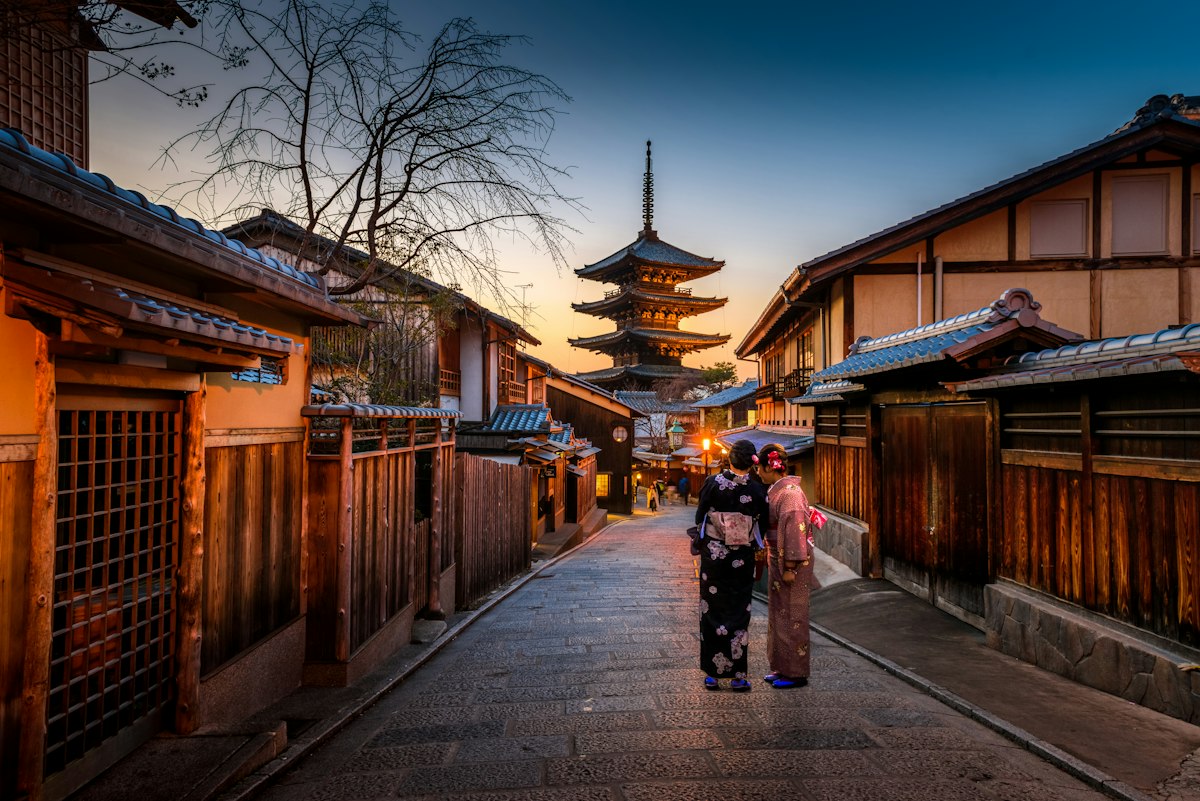
Hokkaido in winter transforms into a wonderland of powder snow, steaming hot springs, and some of Japan's finest seafood. While most visitors stick to central Sapporo's beer halls and shopping districts, this 3-day Hokkaido itinerary takes you to the dramatic coastlines of Shakotan Peninsula and the authentic onsen culture of Jozankei — experiences that reveal why Hokkaido feels like a completely different Japan.
Route Overview
This route combines Sapporo's incredible food scene with lesser-known gems that most tourists miss:
- Base 1: Sapporo (1 night) → Local ramen spots and Maruyama district
- Base 2: Otaru (1 night) → Day trip to Shakotan Peninsula
- Base 3: Jozankei Onsen (1 night) → Authentic hot spring culture
Budget Breakdown
Expect to spend ¥12,000-18,000 per day for mid-range travel. The Hokkaido Rail Pass (5 days for ¥16,950) offers excellent value if you're continuing beyond these 3 days. For food, convenience store onigiri in Hokkaido uses premium local rice — a budget-friendly way to taste the region's quality ingredients.
Dormy Inn Premium Otaru
Natural hot spring hotel with Otaru canal views
Otaru Canal DistrictCheck availability →Day 1: Sapporo's Hidden Neighborhoods and Local Flavors
Itinerary
- 09:00Maruyama Park and Hokkaido Shrine
- 12:00Lunch at local ramen shop in Maruyama
- 15:00Nijo Market for fresh seafood
- 18:00Toyohira River walk
- 20:00Dinner at local izakaya
Quieter alternative: Visit Hokkaido Shrine before 9am to have the snow-covered grounds mostly to yourself
- 08:30Travel to Otaru (30 minutes from Sapporo)
- 10:00Otaru Canal and historic district
- 13:00Drive to Shakotan Peninsula
- 15:00Kamui Cape scenic views
- 17:00Return to Otaru
- 19:00Fresh seafood dinner at local restaurant
Quieter alternative: Shakotan Peninsula is virtually tourist-free in winter — you'll have the dramatic coastline to yourself
- 09:00Check into Jozankei onsen ryokan
- 10:30Private onsen experience
- 14:00Nakajima Park and Hokkaido Museum of Literature
- 17:00Return to Jozankei for evening onsen
- 19:30Traditional kaiseki dinner at ryokan
Quieter alternative: Book a private onsen room at Jozankei — infinitely more relaxing than crowded public baths
Morning: Maruyama Park and Hokkaido Shrine
Start your Hokkaido adventure away from the tourist crowds. Maruyama Park offers a peaceful introduction to Sapporo's winter beauty, while Hokkaido Shrine provides insight into how locals practice Shinto traditions in the snow. The shrine's vermillion torii gates against white snow create stunning photo opportunities.
Afternoon: Skip the Beer Museum — Hit Nijo Market Instead
While tour groups head to Sapporo Beer Garden, make your way to Nijo Market for the freshest crab, sea urchin, and scallops you'll find anywhere. This is where locals shop for seafood, and many vendors offer samples. The market's intimate scale means you can chat with fishmongers and learn about Hokkaido's fishing traditions.
Evening: Toyohira River Walk and Local Izakayas
End your day with a riverside walk along the Toyohira River, beautifully lit in winter. For dinner, skip the tourist-heavy Susukino district and find a local izakaya in the Maruyama area — you'll get better food and more authentic atmosphere.
Day 2: Otaru and the Shakotan Peninsula Adventure
Morning: Otaru Canal — Beyond the Postcard Shot
Yes, visit the famous Otaru Canal, but don't stop at the crowded viewing spots. Walk the full length of the canal to find quieter sections where you can appreciate the historic warehouses without fighting for photo space. The Otaru Music Box Museum and glassworks district offer unique shopping, but arrive early before tour buses.
Afternoon: Shakotan Peninsula — Your Hidden Gem
This is where your itinerary diverges from the masses. Rent a car or join a local tour to Shakotan Peninsula, just 90 minutes from Otaru. The dramatic coastline rivals anything in mainland Japan, but in winter, you'll likely have it entirely to yourself. Kamui Cape offers breathtaking views of the Sea of Japan, with cliffs that plunge into impossibly blue water.
Evening: Authentic Seafood in Otaru
Return to Otaru for dinner at a local seafood restaurant — not the touristy canal-side spots, but family-run establishments where fishing families eat. Ask locals for recommendations, or look for places with no English menus and locals waiting outside.
Jozankei Tsuruga Resort Spa Mori no Uta
Traditional ryokan with private onsen rooms and mountain views
Jozankei OnsenCheck availability →Day 3: Jozankei Onsen and Authentic Hot Spring Culture
Morning: Jozankei Onsen — Your Peaceful Base
Move to Jozankei Onsen, just 30 minutes from central Sapporo but worlds away in atmosphere. This hot spring resort town sits in a mountain valley, surrounded by forest and fed by natural hot springs. Here's where you'll experience authentic onsen culture away from tourist crowds.
Book a private onsen room — this insider tip transforms your hot spring experience from potentially awkward public bathing to deeply relaxing private luxury. The combination of hot mineral water and snowy mountain views creates pure magic.
Afternoon: Nakajima Park's Winter Serenity
Take a brief trip back to Sapporo for Nakajima Park, a peaceful oasis that most tourists miss entirely. The park's traditional tea house and small lake offer contemplative moments, while the nearby Hokkaido Museum of Literature provides insight into the region's cultural heritage.
Evening: Traditional Kaiseki at Your Ryokan
Return to Jozankei for a traditional kaiseki dinner featuring Hokkaido's incredible ingredients — fresh seafood, mountain vegetables, and premium beef. This multi-course meal represents Japanese culinary artistry at its finest, using ingredients you simply can't find elsewhere in Japan.
Seasonal Variations: Adapting Your 3-Day Hokkaido Itinerary
Winter Highlights: Beyond the Snow Festival
While everyone flocks to Sapporo's Snow Festival in February, seek out smaller winter illuminations in Otaru and Jozankei. These intimate light displays capture winter magic without the overwhelming crowds.
Summer Activities: Coastal Beauty and Lavender Alternatives
Summer transforms Shakotan Peninsula into a hiking paradise with brilliant blue seas. Instead of crowded Furano lavender fields, explore smaller flower farms around Yoichi where you can pick fruit and taste local wine.
Spring and Autumn: Hokkaido's Subtle Seasons
Spring brings cherry blossoms that bloom later than mainland Japan, while autumn offers spectacular foliage without the crowds found in Kyoto or Tokyo. Both seasons provide perfect weather for coastal drives and onsen soaking.
Where to Eat: Hokkaido's Hidden Culinary Gems
Authentic Soup Curry Spots
Soup curry originated in Sapporo, but skip the tourist-oriented chains. Look for small shops in residential neighborhoods where locals queue for complex, aromatic broths filled with local vegetables and seafood.
Farm-to-Table Restaurants
Hokkaido's dairy and produce quality is legendary. Seek out restaurants that source directly from local farms — the difference in taste is remarkable. Many offer seasonal menus that change based on harvest availability.
Local Seafood Markets and Hidden Gems
Beyond Nijo Market, explore smaller fishing ports along the coast. Morning markets in Otaru and Hakodate offer the freshest catches, often prepared as sashimi while you wait.
Jozankei Onsen Hotel
Modern onsen hotel with outdoor baths and mountain views
Jozankei OnsenCheck availability →Why This Route Works
This itinerary reveals Hokkaido's unique character — a Japan where nature dominates, seafood is unmatched, and hot spring culture thrives in mountain valleys. By avoiding the typical Sapporo-centric approach, you'll experience the dramatic coastlines and authentic onsen culture that make Hokkaido special.
The route balances accessibility with discovery. You're never more than an hour from Sapporo, yet you'll visit places most tourists never see. Shakotan Peninsula offers some of Japan's most dramatic coastal scenery, while Jozankei provides authentic hot spring experiences without the commercialization of larger resorts.
Variations for Different Travelers
Nature Lovers: Add Lake Shikotsu
Extend day 3 to include Lake Shikotsu, a pristine caldera lake perfect for hiking and photography. The lake's crystal-clear water and surrounding mountains offer some of Hokkaido's best nature experiences.
Food Enthusiasts: Yoichi Wine and Whisky Tour
Replace Shakotan Peninsula with Yoichi's whisky distillery and vineyards. This region produces some of Japan's finest whisky and emerging wines, with tastings and tours available year-round.
Budget Travelers: Stay in Sapporo, Day Trip Everything
Base yourself in Sapporo and take day trips to Otaru, Jozankei, and Shakotan. This reduces accommodation costs while still accessing the region's highlights. Book a central Sapporo hotel to maximize your access to public transportation.
Tips for Your 3-Day Hokkaido Trip
Transportation and Passes
The Hokkaido Rail Pass (5 days for ¥16,950) provides excellent value if you're extending beyond 3 days. For this specific itinerary, individual tickets work fine, but rent a car for maximum flexibility on the Shakotan Peninsula portion.
Packing Essentials by Season
Winter requires serious cold-weather gear — temperatures regularly drop below -10°C. Waterproof boots are essential, and hand warmers become your best friend. Summer brings mosquitoes and sudden weather changes, so pack layers and insect repellent.
Cultural Etiquette and Onsen Rules
Onsen etiquette is crucial in Hokkaido's hot spring culture. Always wash thoroughly before entering the bath, never bring towels into the water, and maintain quiet, respectful behavior. Private onsen rooms eliminate much of the anxiety for first-time visitors while preserving the authentic experience.
Language and Communication
English is less common in Hokkaido than in Tokyo or Kyoto. Download translation apps and learn basic phrases. Most importantly, approach language barriers with patience and humor — locals appreciate the effort and often go out of their way to help.
Extending Your Stay: Day Trip Options
Lake Shikotsu Caldera Hike
This pristine caldera lake offers hiking trails through untouched forest and crystal-clear water perfect for photography. The lake never freezes completely, creating unique winter ice formations along the shoreline.
Yoichi Whisky Distillery and Fruit Picking
Visit the Nikka Whisky Yoichi Distillery where Japanese whisky began, then explore surrounding fruit farms offering seasonal picking — strawberries in summer, apples in autumn. The combination of whisky tasting and fresh fruit creates a uniquely Hokkaido experience.
Chitose and Local Sake Breweries
Near New Chitose Airport, explore local sake breweries that use Hokkaido's pristine water and premium rice. Many offer tastings and tours, making this perfect for your final day before departure.
FAQ
What's the best time to visit Hokkaido for 3 days?
Winter (December-February) offers snow festivals, skiing, and hot springs. Summer (June-August) provides hiking, coastal drives, and flower fields. Spring and autumn have fewer crowds and comfortable weather, making them ideal for first-time visitors.
How much should I budget for 3 days in Hokkaido?
Expect ¥12,000-18,000 per day for mid-range travel including accommodation, meals, and transportation. The Hokkaido Rail Pass (¥16,950 for 5 days) offers good value if extending your trip. Budget travelers can manage on ¥8,000-10,000 per day.
Is it worth visiting Hokkaido for just 3 days?
Absolutely. This itinerary covers Hokkaido's essential experiences — incredible seafood, authentic onsen culture, and dramatic coastal scenery. Three days provides enough time to understand what makes Hokkaido unique while leaving you wanting to return.
Do I need a car for this 3-day Hokkaido itinerary?
A car is recommended for the Shakotan Peninsula portion, but not essential. Public transportation reaches most destinations, though with less flexibility. Car rental adds convenience for coastal drives and accessing smaller onsen towns.
What makes Hokkaido different from the rest of Japan?
Hokkaido feels like a different country — vast landscapes, incredible seafood, indigenous Ainu culture, and hot spring traditions shaped by harsh winters. The pace is slower, nature dominates, and the food quality exceeds anywhere else in Japan.